
Power, Secrecy, and Scandal — The Jeffrey Epstein Case That Shook Global Trust
Verified Facts, Legal Failures, and the Rise of Conspiracy in One of the Most Controversial Criminal Cases of the 21st Century


The case of Jeffrey Epstein remains one of the most disturbing and widely discussed criminal scandals of modern times. It is a story that combines wealth, influence, exploitation, institutional failure, and public distrust. Unlike fictional crime dramas, this case unfolded in real life, affecting real victims and exposing deep weaknesses in systems meant to protect them.
To understand its significance, it is necessary to separate verified facts from speculation and focus on documented evidence.
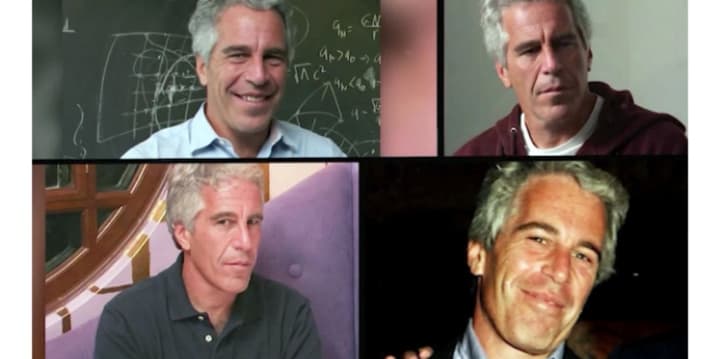
Jeffrey Epstein was born in 1953 in Brooklyn, New York. He began his career in finance after briefly working as a teacher. Although he lacked formal credentials typical of high-level Wall Street professionals, he built a reputation as a money manager for wealthy clients. Over time, he cultivated relationships with powerful figures in politics, business, academia, and royalty. These connections later became a major point of public scrutiny.
The criminal allegations against Epstein date back to the early 2000s. In 2005, police in Palm Beach, Florida, began investigating reports that he had been paying teenage girls for sexual encounters under the guise of “massages.” The investigation uncovered multiple victims, many of whom were minors. According to court records, some girls were as young as fourteen.
The method described in legal documents followed a pattern. Young girls were allegedly recruited with offers of easy money for giving massages. After initial contact, sexual acts would be introduced. Some victims reported being encouraged to bring other girls, creating a recruitment chain. This pattern aligns with grooming tactics commonly documented in exploitation cases, where abusers gradually normalize inappropriate behavior and expand their victim pool.
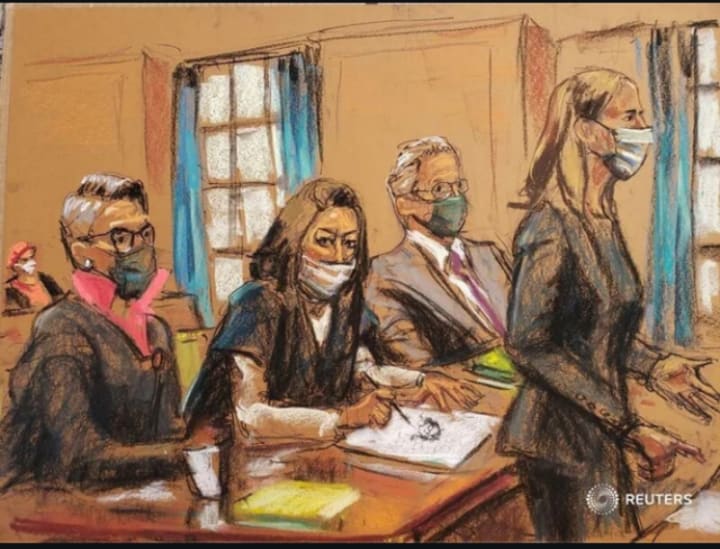
In 2008, Epstein reached a controversial plea agreement with federal prosecutors in Florida. He pleaded guilty to state charges of procuring a minor for prostitution and solicitation. The deal resulted in an 18-month sentence, but he served about 13 months and was granted work release privileges that allowed him to leave jail during the day. The agreement also provided immunity from federal prosecution for him and potential unnamed co-conspirators.
This plea deal later became a focal point of national outrage. Critics argued that it was unusually lenient given the scale of the allegations. Investigative reporting years later revealed that victims were not properly informed about the agreement, raising questions about compliance with the Crime Victims’ Rights Act. In 2019, the U.S. Department of Justice acknowledged prosecutorial misconduct in handling aspects of the deal, though no charges were filed against the prosecutors involved.
More than a decade later, in July 2019, Epstein was arrested again — this time on federal charges of sex trafficking minors in New York. Prosecutors alleged that between 2002 and 2005, he operated a sex trafficking ring that exploited dozens of underage girls in New York and Florida. Authorities discovered hundreds of photographs of young girls during searches of his properties, along with evidence suggesting a broader network.

However, before the case could go to trial, Epstein was found dead in his jail cell at the Metropolitan Correctional Center in Manhattan on August 10, 2019. The New York City medical examiner ruled the death a suicide by hanging. The circumstances surrounding his death generated intense public skepticism. Reports revealed that surveillance cameras malfunctioned and guards failed to perform regular checks the night he died.
Two correctional officers were charged with falsifying records related to their duties that night, though the charges were later dropped after a deferred prosecution agreement. Despite the official ruling of suicide, the unusual failures in jail protocol fueled widespread conspiracy theories suggesting he may have been silenced to protect powerful individuals.
It is important to distinguish between documented facts and unproven claims. Official investigations by the FBI and the Department of Justice concluded that Epstein died by suicide and found no evidence of a homicide conspiracy. However, the security failures were real and documented, contributing to the erosion of public trust.
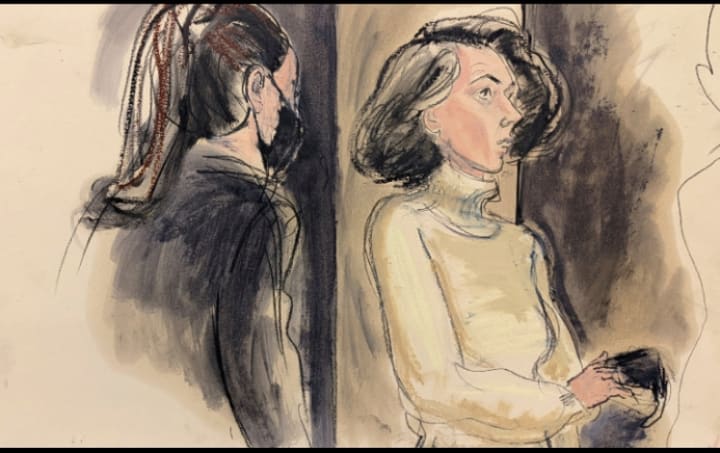
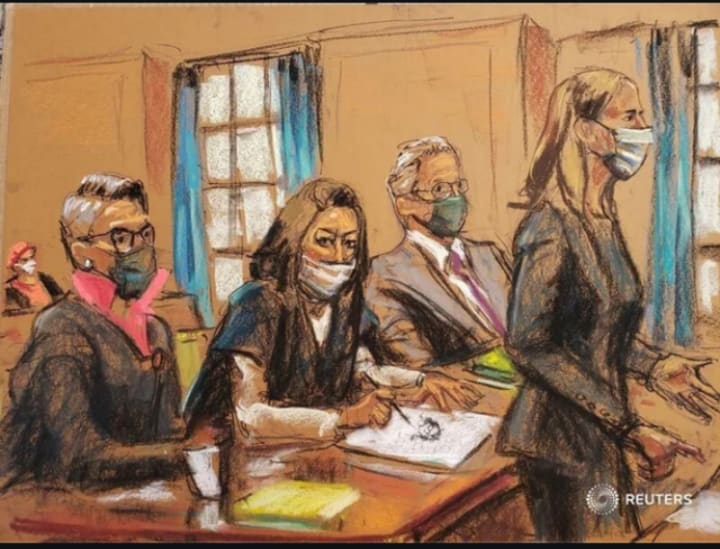
A central figure in the case was Ghislaine Maxwell, a British socialite and longtime associate of Epstein. She was accused of helping recruit and groom underage girls for him. In 2021, after a high-profile trial in federal court, Maxwell was convicted on multiple counts, including sex trafficking of a minor. In 2022, she was sentenced to 20 years in prison. Her conviction confirmed that Epstein did not operate entirely alone, though it did not substantiate claims of a vast, coordinated global conspiracy.
The Epstein case exposed systemic weaknesses in multiple areas: law enforcement oversight, prosecutorial discretion, jail management, and the influence of wealth on legal outcomes. Criminological research has long suggested that socioeconomic status can affect legal proceedings, from bail decisions to plea negotiations. While the justice system is designed to operate impartially, human institutions are vulnerable to bias and power dynamics.
The case also highlighted how elite social networks can create reputational shielding. Association with high-profile individuals does not imply criminal involvement. However, proximity to power can create an aura of untouchability. For victims, this can intensify fear and silence. Many survivors in this case reported feeling that no one would believe them because of Epstein’s wealth and connections.
Public reaction to Epstein’s death revealed another dimension: the rapid spread of conspiracy narratives in the digital age. When high-profile individuals die under suspicious circumstances, especially in politically polarized environments, distrust grows quickly. Social media platforms amplified unverified claims, often blending legitimate institutional criticism with speculative allegations lacking evidence.
Psychologically, conspiracy theories thrive when three conditions exist: high emotional impact, limited transparency, and institutional mistrust. The Epstein case met all three. It involved crimes against minors, elite connections, and visible procedural failures. Even without verified evidence of broader conspiracies, the environment was primed for suspicion.
Yet amid the controversy, it is crucial not to lose sight of the victims. Dozens of women have come forward publicly, describing abuse that altered the course of their lives. Civil lawsuits resulted in financial settlements for many survivors. In 2022, a victims’ compensation program funded by Epstein’s estate distributed more than $120 million to claimants.
From a legal perspective, the case remains incomplete in some respects. Epstein never stood trial in 2019, meaning a full presentation of evidence before a jury did not occur. That absence leaves unanswered questions, but unanswered questions are not proof of hidden plots.
The broader lesson of the Epstein scandal is not merely about one man’s crimes. It is about how power, secrecy, and institutional vulnerability intersect. It demonstrates how grooming and exploitation can operate behind social prestige. It shows how plea agreements can undermine public confidence if perceived as unfair. It reveals how rapidly public discourse can shift from evidence-based analysis to speculation.
Most importantly, it underscores the importance of transparency and accountability. When institutions fail to communicate clearly or enforce standards consistently, suspicion fills the vacuum.

The Epstein case remains a defining example of how criminal behavior can coexist with wealth and status, and how justice systems must constantly evolve to maintain credibility. It stands as a reminder that accountability should not depend on social rank, and that public trust is fragile when evidence and transparency are lacking.
In the end, this was not merely a scandal about a financier. It was a stress test for the credibility of legal institutions, media narratives, and public reasoning in an era where information moves faster than verification.
About the Creator
AngelFace
✨ “I share mysteries 🔍, stories 📖, and the wonders of the modern world 🌍 — all in a way that keeps you hooked!”
The Digital Gallows
"The clock has struck three, the coffee is cold, and the shadows are beginning to speak. Welcome back to the desk of The Night Writer. Tonight, we’re scrolling through a ghost story written in high-society ledger ink. But be careful—what you find might not be the truth, but the trap."
By The Night Writer 🌙 7 days ago in Criminal
The Impossible Prison Break - Alcatraz Escape
FBI officers were stunned. This was a prison where even if a prisoner was left out in the open, escape seemed impossible. Yet somehow, right under the noses of the authorities, three inmates managed to break out. What was even more shocking was that for nearly 10 hours, the prison authorities had no idea they were missing.
By Imran Ali Shah2 days ago in Criminal




Comments
There are no comments for this story
Be the first to respond and start the conversation.