
How to Plan Your First Trip to the Maldives Without Overpacking or Overplanning
Essential Planning Tips For Your Maldives Vacation
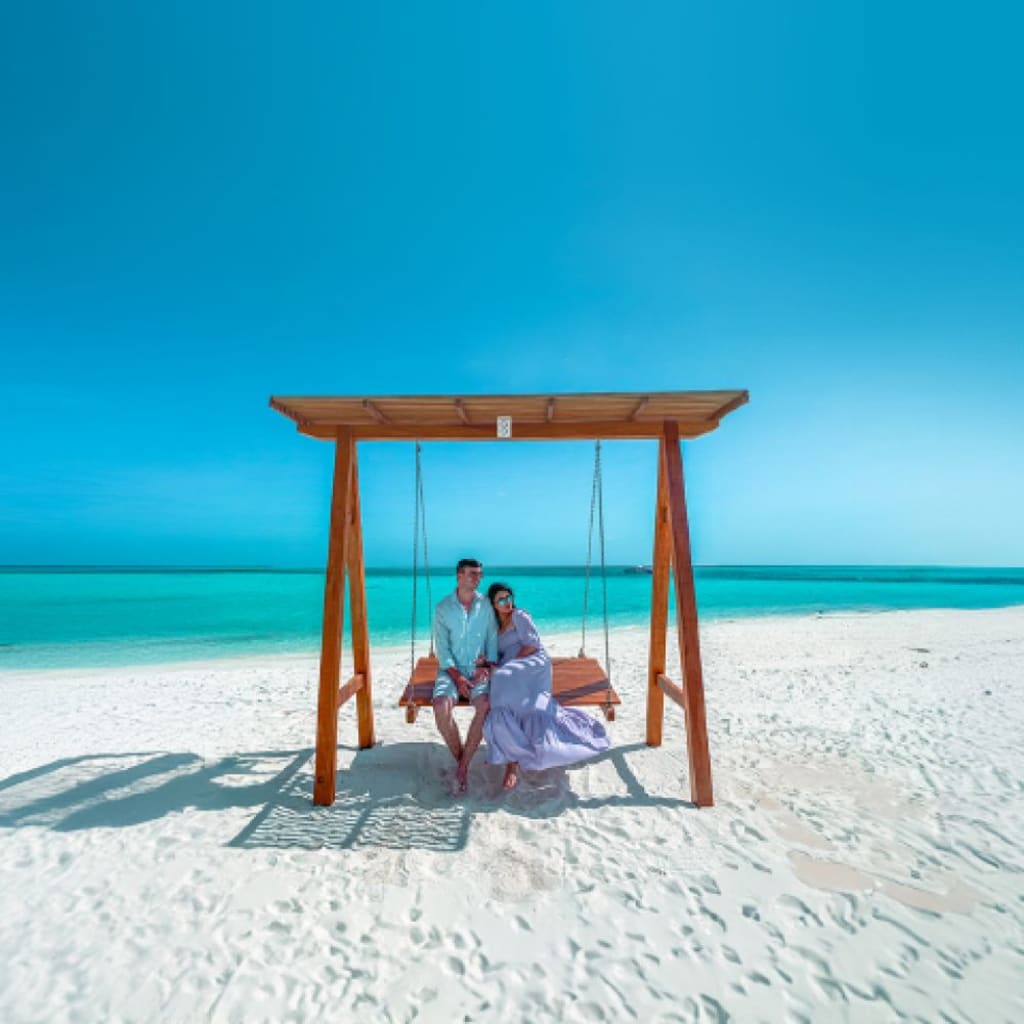
A first trip to the Maldives often creates pressure to prepare for every detail. The islands look minimal, yet travellers frequently overpack and overplan in an attempt to avoid mistakes. In reality, island life follows a predictable rhythm shaped by climate, transport schedules, and limited space. Planning well means understanding what is actually required and allowing the setting to guide the rest.
Pack for Climate and Access, Not Variety
The Maldivian climate is consistent throughout the year, which removes the need for extensive clothing choices. Lightweight items suited to heat and humidity are enough for most days. Overpacking usually comes from assuming frequent outfit changes are necessary when time is spent largely between shaded areas, short walks, and the water.
Footwear can also be kept minimal. One comfortable pair for walking and one suitable for water activities usually covers most needs. Islands are compact, and long distances are uncommon. Packing fewer items also makes transfers easier, particularly when luggage limits apply on boats or seaplanes.
Personal essentials should be selected with access in mind. While basic items are available, choice is limited, so bringing preferred sunscreen, medication, and swimwear helps avoid inconvenience later.
Plan Around Island Schedules Rather Than Full Itineraries
Overplanning often begins with assigning activities to every day. Island schedules are fixed around weather, tides, and transport, while the rest of the day stays open.
Focusing on a small number of activities works better than building full itineraries. Schedules are usually shared after arrival, which makes detailed planning unnecessary.
Travellers staying at Maldives Island hotels often find that days fall into a natural pattern without effort once this structure is accepted.
Choose Accommodation That Reduces Decision-Making
Accommodation layout plays a larger role in planning than many first-time visitors expect. Staying on an island where facilities are centralised reduces the need for constant coordination.
Properties such as Velifushi Maldives by Cinnamon are designed to keep movement simple, with accommodation, dining, and leisure areas within easy reach. This limits daily decisions around transport, timing, and access.
When essential services are contained within one area, days tend to unfold without the need for advance planning.
Limit Gear to What Will Actually Be Used
First-time travellers often pack equipment for activities they may not end up doing. Snorkelling gear, large cameras, and multiple bags are common examples. Most islands provide basic equipment, and specialised items are best limited to those already used regularly.
Electronics often add unnecessary bulk. Although charging is possible, time spent managing devices replaces rest. Carrying only essential devices keeps days less structured.
Packing less also allows space for items acquired during the trip, avoiding difficulty when returning.
Let Meals and Rest Shape the Day
Meals naturally structure the day on the Maldivian islands. Dining times are fixed, and the hours between them tend to slow down. Using these natural breaks removes the need to plan smaller details.
Midday heat often slows activity, while evenings remain calm and predictable. Letting meals and rest set the pace reduces the need for planning.
Accept Repetition as Part of the Experience
One common mistake is expecting each day to feel different. Island environments are intentionally repetitive, and that consistency supports rest rather than boredom. Views remain similar, activities repeat, and routines settle quickly.
Allowing this repetition removes the urge to fill time and reduces unnecessary planning. Many travellers find that the most memorable moments happen during unscheduled periods rather than organised activities.
Planning less does not mean missing out. It allows the setting to function as intended, without turning preparation into the focus of the trip.
Keep Arrival and Departure Planning Simple
Transfers in the Maldives operate on fixed schedules. Boats and seaplanes do not always confirm timings far in advance, and changes are common. Attempting to fine-tune every connection can become unnecessary.
A general idea of arrival and departure timing is usually sufficient. Carry-on items help cover short delays, and leaving arrival days open reduces the need to rework plans.
About the Creator
Keep reading
More stories from Aurora Gianna and writers in Families and other communities.
What Creates the Romantic Atmosphere That Honeymooners Love in the Maldives
There are places in the world known for the association they have with beauty and peace, and none is better known than the Maldives. With clear blue shallows, warm breezes and long stretches of quiet coast, the Maldives is a peaceful and breathtaking place that is perfect for those honeymoon couples looking to get away from it all. Couples arrive to celebrate love, closeness and the joy of simply being together away from familiar routine. The Maldives has been recognised for many years as a destination where love and nature work together. Although there are many tropical locations around the world, this archipelago stands out for its delicate balance of luxury and simplicity. Here are some reasons why the Maldives will always remain a top choice for honeymooners.
By Aurora Gianna3 months ago in Families
He Saved My Life With His Kidney… Then Asked Me to Pay Him Back
I still remember the day the doctor told me my kidneys were failing. The room felt smaller, the air heavier, and every word that followed sounded distant, like it was meant for someone else. Dialysis, waiting lists, uncertainty—it all came crashing down at once. I was terrified, not just of dying, but of what my life would become.
By Lukáš Hrdlička7 days ago in Families
My Body Found the Red Flags Before My Brain Did
The Weight of the Interior: An Unfinished Map of a Marriage The stiff blue cotton of my nursing scrubs still smells like the clinical lab, a scent that shouldn’t feel like a relief, but it does. There is a brown cardboard box sitting on the laminate counter, its tape shredded open by a house key because he couldn't wait the ten minutes I asked for while I was finishing a call.
By Brooks Ghost Max 2 days ago in Families
Guard Your Battery
Why are some people so attractive just by standing there? It’s not because they are "likable," but because they don’t need everyone to like them. I realized later that truly charismatic people allow themselves to be criticized, but they never criticize themselves. They never try to please the world; instead, the world stops to watch them.
By Emily Chan - Life and love sharing2 days ago in Poets



Comments
There are no comments for this story
Be the first to respond and start the conversation.