
Kratom Powder Benefits: What Research and Experts Actually Say
Kratom Powder
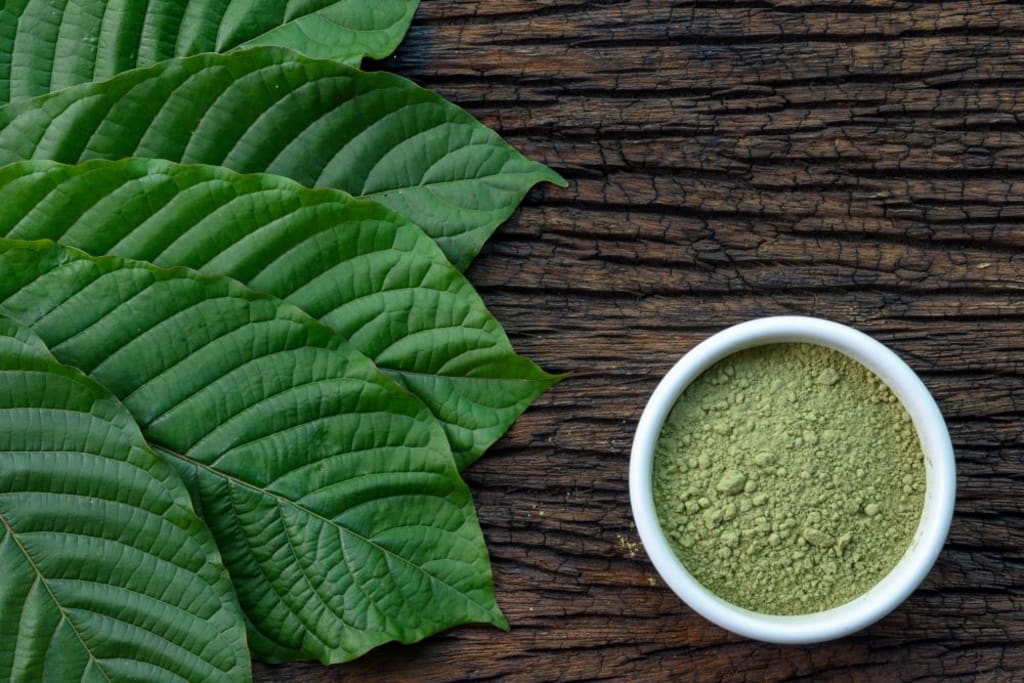
Interest in herbal products has grown rapidly over the last decade. People now explore natural botanicals for different wellness routines, and kratom often appears in that conversation. Many online searches focus on kratom powder benefits, but the topic requires careful discussion.
Why? Because kratom sits in a unique position. Some users report certain experiences, while researchers continue to study the plant’s safety and effects. Reliable information matters more than internet rumors.
This article explains the potential kratom powder benefits discussed in research, how the plant works in the body, and the risks experts highlight. The information relies on scientific sources and public health organizations such as the National Institute on Drug Abuse (NIDA), the U.S. Food and Drug Administration (FDA), and the Centers for Disease Control and Prevention (CDC).
No exaggerated promises. No miracle cures. Just clear facts and logical explanations.
What Is Kratom Powder?
Kratom powder comes from the dried leaves of Mitragyna speciosa, a tropical tree native to Southeast Asia. Farmers harvest the leaves, dry them, and grind them into a fine powder.
People in countries like Thailand and Indonesia have traditionally used kratom leaves for centuries in local cultural practices. Today, the powder form remains one of the most common kratom products worldwide.
According to the National Institute on Drug Abuse, kratom contains several active compounds known as alkaloids. Two of the most studied alkaloids include:
- Mitragynine
- 7-hydroxymitragynine
These compounds interact with receptors in the brain that influence mood, pain perception, and energy levels.
However, scientists continue to study how these compounds work and how they affect the human body over time.
How Kratom Powder Works in the Body
Kratom’s effects depend on its alkaloid content. Mitragynine, the primary compound, interacts with several neurological receptor systems.
NIDA reports that mitragynine binds to receptors associated with pain signaling and mood regulation. The compound also interacts with other neurotransmitter pathways in the brain.
Because kratom contains multiple alkaloids, the overall effects can vary depending on factors such as:
- Product quality
- Dosage
- Individual metabolism
This complexity explains why kratom powder benefits often appear different from one person to another.
Botanical products rarely produce identical responses across all users.
Commonly Reported Kratom Powder Benefits
Many people explore kratom powder because of the effects they experience. However, researchers emphasize that scientific evidence remains limited in several areas.
Here are some commonly reported experiences associated with kratom use.
Increased Energy and Alertness
In Southeast Asia, laborers historically chewed kratom leaves during physically demanding work. Some users report mild stimulating effects when consuming smaller amounts.
Researchers believe mitragynine may interact with certain neurotransmitters involved in alertness.
However, controlled clinical studies remain limited.
Changes in Mood
Some individuals report changes in mood after using kratom powder. Scientists believe that certain alkaloids may influence receptors related to mood and emotional regulation.
This effect remains under investigation, and the U.S. Food and Drug Administration has not approved kratom as a treatment for any medical condition.
Consumers should approach such claims carefully.
Changes in Pain Perception
One of the most discussed kratom powder benefits involves pain perception.
NIDA research notes that kratom compounds interact with opioid-related receptors in the brain. These receptors play a role in how the body processes pain signals.
However, the FDA emphasizes that kratom products have not received approval as medical treatments for pain management.
More clinical research remains necessary.
Relaxation Effects
Some users report relaxation or calming sensations after consuming larger amounts of kratom powder.
Researchers believe these effects may result from how kratom’s alkaloids interact with several neurological pathways.
Still, scientific data remains limited, and responses vary widely between individuals.
Why Product Quality Matters
Not all kratom powder products maintain the same quality standards.
Because kratom originates from agricultural sources, contamination can occur during harvesting, processing, or storage.
Potential contamination risks include:
- Heavy metals from soil
- Bacterial contamination
- Pesticide residues
The U.S. Food and Drug Administration has issued warnings in the past about contaminated kratom products in certain markets.
Consumers should look for vendors that provide third-party laboratory testing and Certificates of Analysis (COAs).
Independent testing helps confirm product purity and safety.
Potential Risks and Side Effects
Any discussion of kratom powder benefits should also include potential risks.
Reported side effects may include:
- Nausea
- Dry mouth
- Dizziness
- Loss of appetite
- Increased heart rate
The Centers for Disease Control and Prevention has documented adverse event reports involving kratom. In many cases, other substances appeared alongside kratom use.
Researchers continue to study these cases to understand kratom’s role.
Risk levels often depend on dosage, frequency, and individual health conditions.
Dependence and Withdrawal Concerns
Some research suggests that frequent kratom use may lead to dependence.
The National Institute on Drug Abuse reports that some individuals experience withdrawal symptoms after stopping regular use.
Possible symptoms may include:
- Irritability
- Muscle aches
- Sleep disturbances
- Mood changes
Scientists continue to investigate the long-term effects of kratom use.
Understanding these risks helps consumers make more informed choices.
Legal Status of Kratom
Kratom laws vary depending on location.
In the United States, kratom remains legal at the federal level. However, several states and municipalities have introduced restrictions.
Other countries maintain stricter regulations or outright bans.
Consumers should always check local laws before purchasing or using kratom products.
Legal access does not necessarily equal regulatory approval.
Responsible Use and Consumer Awareness
Responsible use plays an important role when exploring botanical products.
Consumers should follow several practical guidelines:
- Choose products with third-party lab testing
- Verify Certificates of Analysis for each batch
- Avoid combining kratom with other substances
- Consult healthcare professionals if needed
Reliable information helps reduce unnecessary risks.
Transparency from manufacturers also improves consumer safety.
Final Thoughts on Kratom Powder Benefits
The topic of kratom powder benefits continues to attract attention as research evolves. Scientific organizations such as the National Institute on Drug Abuse and the U.S. Food and Drug Administration continue to study kratom’s chemical properties and health effects.
Kratom contains biologically active compounds that interact with the human nervous system. Some users report experiences related to energy, mood, or relaxation. However, scientific evidence remains limited, and the plant has not received FDA approval for medical treatment.
For consumers, the most responsible approach includes:
- Learning from credible research
- Choosing quality-tested products
- Using kratom cautiously
Curiosity about botanical products is natural. Responsible information ensures that curiosity leads to informed decisions rather than unnecessary risks.
About the Creator
Keep reading
More stories from thomas oshobo and writers in Feast and other communities.
Reputation Is Built, Not Bought: The Long Game of Brand Trust
In today’s fast-paced world, building trust with your audience is more important than ever. A brand's reputation isn’t something that happens by accident—it’s something that needs to be earned. True brand trust is the result of consistent, thoughtful effort, and it plays a huge role in a company’s long-term success.
By thomas oshoboabout a month ago in Journal




Comments
There are no comments for this story
Be the first to respond and start the conversation.