
Stracciatella Pretzels
With chocolate-maple syrup glaze!


Ever since I can remember, I have been obsessed with pretzels. Cannot go to the mall without passing by the pretzel stand at the end! However, baking them always seemed a bit daunting to me — I had no experience with yeast dough, shaping them looked difficult, and frankly it just looked pretty complicated to bake.
This changed a couple of years ago when I started to dip my toes into breadmaking, so after a few gos at yeast bread, I decided to go for pretzels. Turns out homemade pretzels are ridiculously easy to make, delicious, AND very customizable. After toying around with the basic recipe and making al kinds of dips, I decided to try out a stracciatella pretzel. The results are beutiful and delicious. Without further ado:
Stracciatella Pretzels
Ingredients for pretzeld dough:
- 1 1/2 cups warm water (not too hot or it'll kill the yeast)
- 1 packet of dry active yeast
- 1/2 tsp salt
- 1 tbsp maple syrup
- 1 tbsp salted plant-based butter, melted
- 3 3/4 white flour
- 4 tbsp shaved dark chocolate (chocolate chips or chunks won't work, chocolate needs to be very finely chopped)
Baking Soda Bath:
- 5 cups water
- 50 grams baking soda (1/4 cup, remove one tbsp)
Ingredients for glaze:
- 4 tbsp margarine
- 6 tbsp maple syrup
- about 30 grams of dark chocolate
Baking instructions:

Baking soda bath:
Voilà! You now have beautiful sweet pretzel goodness to enjoy.
About the Creator
Laura Moraes
every day i write my silly little thoughts in my journal
Keep reading
More stories from Laura Moraes and writers in Feast and other communities.
Sponge Cake with Strawberry Buttercream Frosting
Vegan sponge cakes are difficult to master, but after a few tries I have found something that works well! I have always loved the idea of strawberry buttercream but could never get behind its execution, it just always came out too watery. Finally, I had an aha! moment when I decided to use chocolate in the buttercream. Works like a charm!
By Laura Moraes5 years ago in Feast
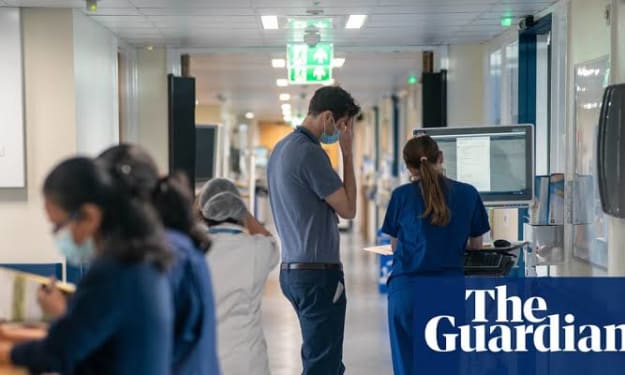
Hundreds of Thousands of NHS Staff in England Attacked and Harassed, Survey Shows
A major workforce survey has revealed that hundreds of thousands of employees working in England’s National Health Service have faced violence, harassment and abuse while carrying out their duties. The findings have sparked renewed concern among health leaders and unions, who warn that hostility toward healthcare workers is reaching unacceptable levels. The data comes from the latest NHS Staff Survey, one of the largest workplace surveys in the United Kingdom. More than 760,000 NHS employees took part, providing a detailed picture of working conditions across hospitals, clinics and ambulance services. The results highlight a troubling pattern of aggression directed at staff from patients, visitors and, in some cases, colleagues. According to the survey, around one in seven NHS employees reported experiencing physical violence from patients or members of the public during the previous year. This represents roughly 14 percent of staff—equivalent to more than 200,000 workers across the healthcare system. Even more widespread was verbal harassment and bullying. Over a quarter of respondents said they had experienced harassment, abuse or bullying in the workplace within the last 12 months. Experts say this includes a range of incidents, from aggressive threats and verbal insults to racist abuse and intimidation. Healthcare unions have described the situation as deeply worrying, arguing that violence against medical staff is becoming increasingly normalized in some settings. Nurses, ambulance crews and emergency department staff are often the most exposed because they deal directly with patients during stressful situations such as medical emergencies or long waiting times. In particular, ambulance workers reported some of the highest levels of violence in the survey. In certain services, nearly a third of staff said they had faced at least one incident of aggression from patients or the public. Experts note that frontline responders frequently encounter unpredictable situations involving intoxication, mental health crises or highly distressed individuals. Healthcare leaders say the consequences of this violence go far beyond physical injury. Many staff report psychological stress, anxiety and burnout after repeated exposure to abuse. Some workers take sick leave following violent incidents, while others consider leaving the profession entirely. In response to the survey findings, NHS leaders stressed that abuse toward healthcare workers is unacceptable. Officials emphasized that staff should be able to perform their duties without fear of violence or harassment. “NHS staff work tirelessly to care for patients and deserve to feel safe and respected at work,” said one senior health official responding to the survey results. Healthcare organizations have increasingly called for stronger protections, including better security in hospitals and clearer reporting systems for incidents of abuse. The issue of violence against healthcare workers has grown more visible in recent years. Data from hospitals and trusts across England shows that incidents of aggression have risen since the COVID-19 pandemic, partly driven by strained healthcare services, staff shortages and long patient waiting times. At the same time, experts say many incidents likely go unreported. Some staff fear that reporting abuse will not lead to meaningful action, while others believe such behavior has become an unfortunate but expected part of the job. Unions and professional groups are now urging the government to take stronger action. They have called for tougher penalties for individuals who assault healthcare workers, as well as increased funding for workplace safety measures. Campaigners also emphasize the need for cultural change. Many healthcare leaders argue that public awareness is crucial, reminding patients and visitors that doctors, nurses and paramedics are there to help. Despite the troubling statistics, NHS officials say steps are being taken to improve staff safety. Initiatives include violence-prevention standards, staff training on managing aggressive situations and improved cooperation with police in serious cases. However, unions warn that unless the root causes—such as staff shortages and overloaded emergency departments—are addressed, the pressure on frontline workers will continue. For the hundreds of thousands of NHS employees who dedicate their careers to saving lives, the message from health leaders is clear: caring for patients should never come with the risk of being attacked or abused on the job.
By Fiaz Ahmed about 9 hours ago in Feast
Foods Seniors
As we age, maintaining a balanced diet becomes increasingly important for overall health and vitality. Alkaline foods help regulate the body's pH levels, reduce inflammation, and support bone health—all crucial concerns for older adults. These ten recipes transform simple, nutrient-dense ingredients into delicious meals that are gentle on digestion and big on flavor. Best of all, they're incredibly easy to prepare.
By yue . shuiabout 8 hours ago in Feast



Comments
There are no comments for this story
Be the first to respond and start the conversation.