
How Influencers & Streamers Killed News Networks
Why People Prefer Them Over Networks


There was a time when the evening news ruled the world.
At 6 PM sharp, families gathered around the TV to watch polished anchors in suits deliver “the truth.” Names like CNN, Fox News, and MSNBC dominated living rooms. Legacy institutions like BBC and The New York Times shaped global conversations.
Today?
Millions of people would rather get their news from a YouTuber in a hoodie, a Twitch streamer live-reacting to headlines, or a TikTok creator breaking down geopolitics in 60 seconds.
The power shift is real. And traditional news networks are losing.
Here’s why influencers and streamers didn’t just compete with news outlets — they quietly replaced them.
1. Trust Is Broken — And Influencers Feel More Human
Mainstream news has a credibility problem.
For years, viewers have accused major networks of bias, sensationalism, and agenda-driven reporting. Whether it's political polarization, clickbait headlines, or dramatic framing, trust has eroded.
Influencers, on the other hand, feel:
* Direct
* Unfiltered
* Personal
* Relatable
When a streamer says, “Here’s what I think,” it feels honest — even if it’s opinionated. There’s no teleprompter. No polished newsroom desk. No corporate branding in the background.
It’s just a person talking to you.
And in a world overloaded with information, people don’t necessarily want “objective authority.” They want authenticity.
2. They’re Faster Than News Networks
By the time a cable news panel debates a story, social media has already dissected it.
Streamers go live instantly.
Creators on platforms like YouTube, Twitch, and TikTok react in real time. They pull up articles, show tweets, analyze clips, and respond live while audiences comment in chat.
Traditional news:
* Schedules programming
* Waits for official confirmation
* Runs edited segments
Streamers:
* Go live immediately
* Analyze developments minute by minute
* Crowdsource information from thousands of viewers
Speed wins in the attention economy.
3. News Became Performance — Influencers Just Do It Better
Ironically, cable news tried to compete by becoming more like influencers.
Panels. Hot takes. Dramatic debates. Viral moments.
But here’s the problem: influencers are better entertainers.
A political commentator on YouTube might mix humor, memes, gaming, and serious analysis in one stream. They don’t need to follow broadcast standards or fit into a 5-minute segment between commercials.
The lines between news and entertainment blurred — and independent creators mastered the hybrid format.
When people want personality-driven content, they choose personality over institution.
4. Two-Way Interaction Beats One-Way Broadcasting
Traditional news is one-directional:
Anchor talks → Viewer listens.
Streaming is interactive:
Streamer talks → Chat responds → Streamer reacts → Community builds.
That feedback loop changes everything.
Audiences feel involved. They can:
* Ask questions
* Challenge arguments
* Share sources
* Vote in polls
* Influence the direction of discussion
It becomes less like watching the news — and more like participating in it.
That sense of community is powerful. Networks never adapted to that shift fast enough.
5. Algorithms Favor Creators, Not Institutions
Platforms reward engagement, not legacy status.
A 22-year-old commentator with a ring light can outrank a billion-dollar newsroom on someone’s feed.
Algorithms on YouTube and TikTok push:
* Strong opinions
* Emotional reactions
* Shareable clips
* Polarizing takes
Unfortunately, those elements don’t always align with careful journalism.
But they do align with attention.
News networks built their dominance in a broadcast era. Influencers were born in the algorithm era — and they understand how to win it.
6. Political Identity Drives Creator Loyalty
Modern media consumption is deeply tied to identity.
Instead of watching a broad network, people now follow creators who align with their worldview.
Some audiences tune into progressive commentators. Others prefer conservative streamers. Some want anti-establishment voices.
Influencers build tribes.
And once someone feels part of a digital tribe, loyalty shifts from brand to personality.
You don’t say, “I watch the news.”
You say, “I watch this person.”
That distinction is massive.
7. Production Value No Longer Matters
There was a time when you needed:
* Studio lights
* Camera crews
* Editing teams
* Satellite connections
Now?
A laptop, webcam, and internet connection can reach millions.
High production used to signal credibility. Today, it sometimes signals corporate control.
Rawness feels real.
And real feels trustworthy.
8. News Networks Are Slower to Evolve
Legacy institutions are heavy. Bureaucratic. Regulated. Structured.
Influencers pivot overnight.
If audiences get bored, creators change formats instantly. If a topic trends, they adapt within minutes. If a clip goes viral, they double down.
News networks must navigate:
* Corporate policies
* Legal departments
* Advertising contracts
* Editorial boards
That friction slows innovation.
And in digital culture, slow equals irrelevant.
9. The Economic Shift
Advertising money has followed attention.
Brands now invest heavily in:
* Creator sponsorships
* Stream integrations
* Podcast advertising
* Influencer marketing
Independent creators can earn directly from fans via memberships, donations, and subscriptions.
They don’t need traditional ad revenue models.
News networks still depend heavily on legacy advertising structures that are shrinking every year.
The financial ecosystem favors individuals.
10. But Here’s the Catch…
Did influencers really “kill” news networks?
Not entirely.
Major outlets still:
* Break investigative stories
* Maintain global bureaus
* Conduct original reporting
* Hold institutions accountable
Many influencers rely on reporting done by journalists at organizations like Reuters or the Associated Press.
What’s changed isn’t who gathers information.
It’s who interprets it.
People don’t necessarily reject facts — they reject delivery systems that feel distant, corporate, or agenda-driven.
Influencers didn’t replace journalism.
They replaced news anchors as the face of information.
The Real Shift: Authority → Personality
The old media model was built on institutional authority.
The new media model is built on personal connection.
In the past:
* Trust the logo.
Now:
* Trust the individual.
Whether that shift strengthens democracy or fragments it further is still an open question.
But one thing is clear:
The age of the untouchable news anchor is over.
The camera is in everyone’s pocket.
And the audience has already chosen where it prefers to look.
About the Creator
AnthonyBTV
Most of my day feels like I'm going 1000mph. Including my thoughts and ideas here is where I put them for the world to see!
Social Media:
Youtube: AnthonyBTV
Instagram: iam_anthony305
Keep reading
More stories from AnthonyBTV and writers in FYI and other communities.
A Planetary Alignment will coincide with Mercury Retrograde
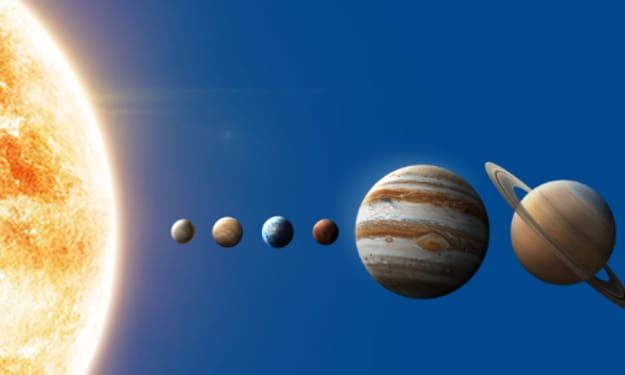
Double phenomena in the heavens Some people say in jest that the planets have aligned in their favor when life works the way they desire. Were you aware that there are seasons when things do line up in the heavens? There will be a planetary alignment AKA a planet parade, on February 28, 2026.
By Cheryl E Preston8 days ago in FYI
A Historic Declaration
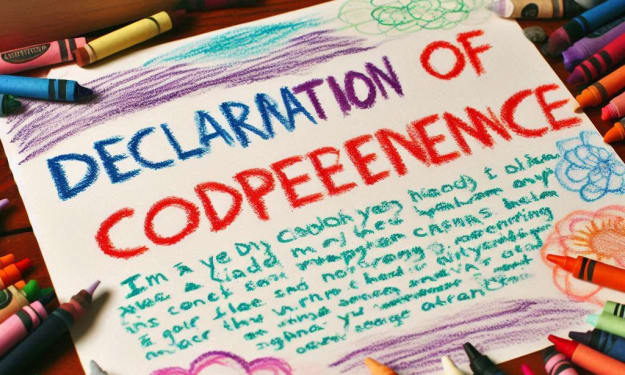
We the People of the Husbands of the United States of America, in Order to form a more perfect Union, and I mean you...with me...establish Justice, insure domestic Tranquility, provide for the common defence, promote the general Welfare, and secure the Blessings of Liberty to ourselves, after Puberty, do ordain and establish this Declaration of Co-Dependence.
By Gerard DiLeo7 days ago in Humans


Comments
There are no comments for this story
Be the first to respond and start the conversation.