
Pakistan is the increase in international petrol prices.
Why has petrol become expensive in Pakistan

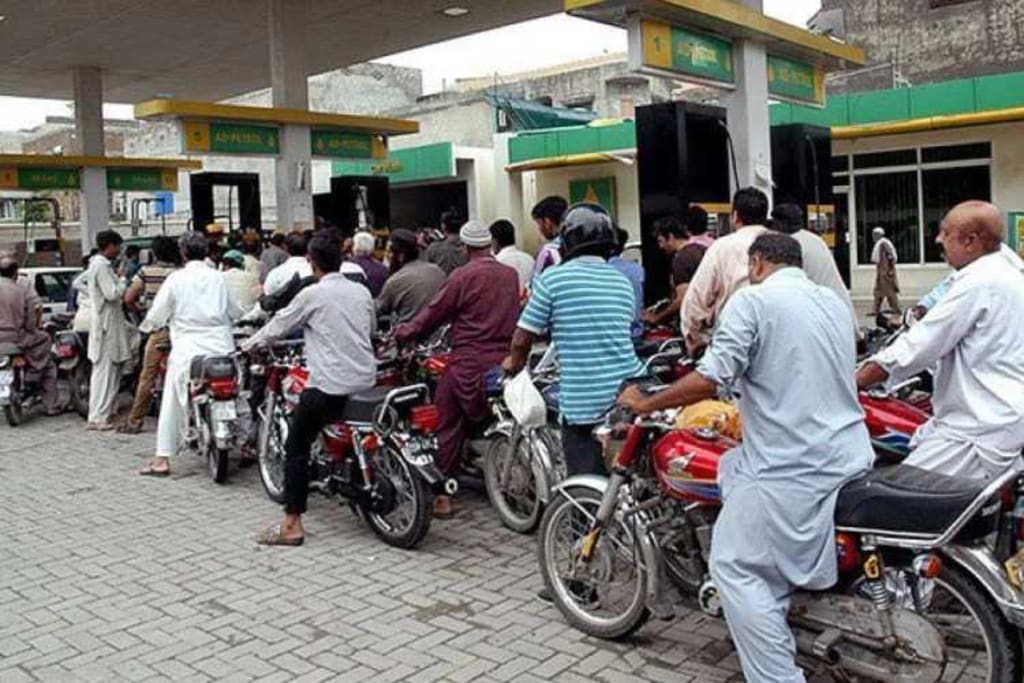
Petrol prices in Pakistan often rise when international oil prices increase. This happens because Pakistan imports a large portion of its
crude oil and refined petroleum products from other countries. When the global oil market becomes more expensive, the cost of buying fuel
from abroad rises. As a result, the government has to adjust local petrol prices to match the higher international rates. This situation
affects transportation costs, electricity production, and the overall cost of living for people across the country.
Dependence on Imported Oil
One of the main reasons Pakistan is affected by international petrol price increases is its heavy dependence on imported oil. Pakistan
does not produce enough crude oil domestically to meet its energy needs. Most of the petroleum used in vehicles, industries, and power
plants is purchased from global suppliers. When the international price of crude oil rises due to increased demand or reduced supply,
Pakistan must pay more to import the same amount of fuel.
For example, when major oil-producing countries decide to reduce production, global supply becomes limited. This can lead to higher oil
prices in the international market. Since Pakistan relies on these imports, the country cannot avoid the impact of those price changes.
Global Market Fluctuations
The global oil market is influenced by many factors, including political tensions, economic conditions, and decisions by oil-
producing nations. Organizations such as Organization of the Petroleum Exporting Countries often influence the global supply of oil. When this group decides to reduce or increase production, it can
quickly affect international prices
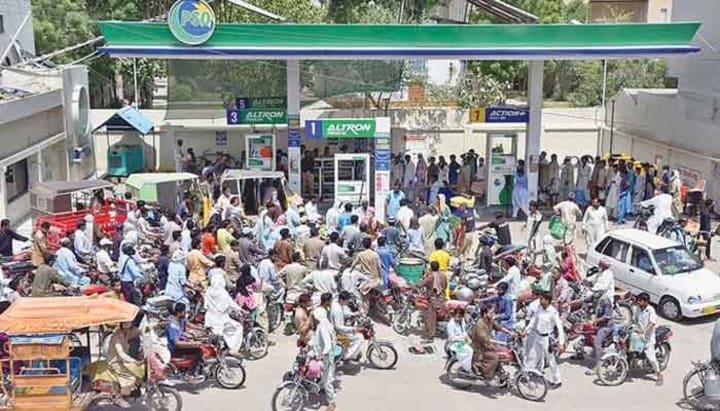
.Conflicts in oil-producing regions, natural disasters, or disruptions in supply chains can also push prices higher. For example, tensions in
the Middle East or restrictions on major oil exporters can reduce the availability of oil in global markets. When this happens, countries like Pakistan must pay more to secure their fuel supplies.
Currency Exchange Rate Impact
Another important factor behind rising petrol prices in Pakistan is the value of the local currency. Oil is usually traded globally in U.S.
dollars. When the Pakistani rupee loses value against the dollar, the country must spend more rupees to purchase the same amount of oil. Even if international oil prices remain stable, a weaker rupee can still
make petrol more expensive for local consumers.
Currency fluctuations therefore play a significant role in determining fuel prices. A strong dollar combined with rising global oil prices can create a double burden for Pakistan’s economy.
Government Taxes and Policies
Petrol prices in Pakistan also include government taxes, duties, and other charges. These taxes are an important source of revenue for the
government, helping to fund public services and infrastructure projects. When international oil prices rise, the government sometimes adjusts taxes to balance the impact on consumers and the
national budget.
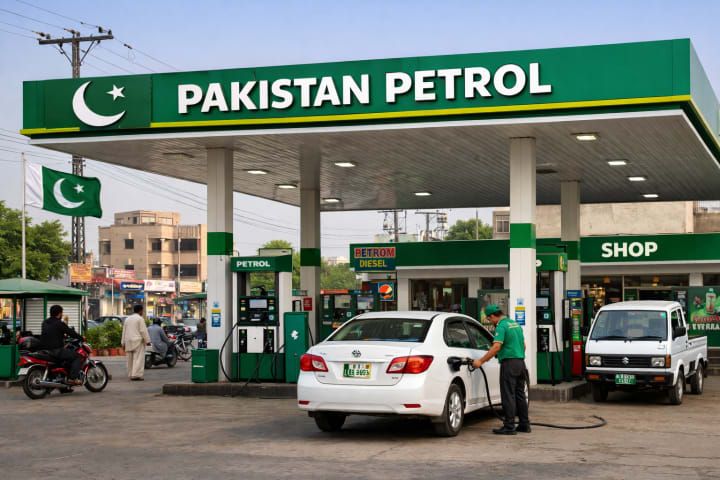
However, reducing taxes too much can create financial pressure on the government. As a result, policymakers must carefully decide how much of the price increase should be passed on to the public.
Impact on Daily Life
Higher petrol prices affect nearly every aspect of daily life in Pakistan. Transportation becomes more expensive, which increases
the cost of goods being delivered across the country. Food prices, public transport fares, and electricity costs may all rise as a result.
Businesses also face higher operating costs when fuel prices increase. Industries that rely heavily on transportation, such as logistics and
agriculture, often experience the greatest impact. This can slow economic growth and make life more difficult for low-income households.
Possible Solutions
To reduce the impact of international petrol price increases, Pakistan has been exploring several long-term solutions. These include
investing in renewable energy sources, improving public
transportation, and encouraging energy conservation. Developing local energy resources such as natural gas and solar power could also
reduce dependence on imported oil in the future.
In conclusion, rising international petrol prices have a direct impact on Pakistan because the country relies heavily on imported fuel.
Global market changes, currency fluctuations, and government policies all contribute to the final price consumers pay. While the
challenge is significant, long-term energy planning and diversification could help Pakistan reduce its vulnerability to global
oil price shocks.
About the Creator
Niaz Muhammad
Insha Allah, I will write in such a good way that people with weak eyesight or the elderly can easily read it.
Keep reading
More stories from Niaz Muhammad and writers in History and other communities.
The Wicked Wife or the Secret Spy?
In the shadows of war, truth is often the first casualty. Few stories prove this more powerfully than that of Mata Hari — a woman who was branded a traitor, condemned as a seductress, and executed as a spy. To some, she was a wicked wife who betrayed loyalties for wealth and desire. To others, she was a secret agent who played a dangerous game among powerful men. Yet, more than a century later, historians still debate whether she was truly guilty — or simply a convenient scapegoat.
By Irshad Abbasi 7 days ago in History
Guard Your Battery
Why are some people so attractive just by standing there? It’s not because they are "likable," but because they don’t need everyone to like them. I realized later that truly charismatic people allow themselves to be criticized, but they never criticize themselves. They never try to please the world; instead, the world stops to watch them.
By Emily Chan - Life and love sharing6 days ago in Poets


Comments
There are no comments for this story
Be the first to respond and start the conversation.