World History
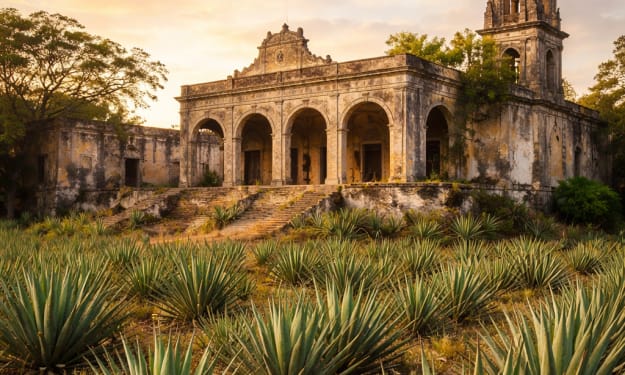
Mexico’s Abandoned “Green Gold” Estates
Across the dry plains of Mexico’s Yucatán Peninsula, enormous stone mansions stand silent under the tropical sun. Their tall arches, broken windows, and crumbling walls hint at a time when these estates were among the wealthiest agricultural centers in the world. Once known as the producers of “Green Gold,” these haciendas built vast fortunes from a single plant: henequen.
By Irshad Abbasi about 4 hours ago in History
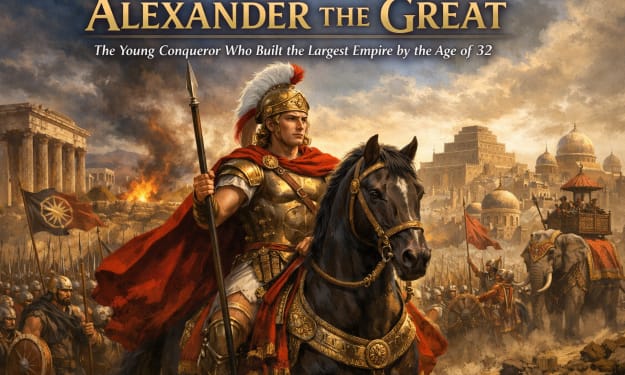
Alexander the Great: The Young Conqueror Who Built the Largest Empire by the Age of 32
Throughout human history, only a few leaders have managed to reshape the world in a single lifetime. Among them stands Alexander the Great, a remarkable young ruler who created one of the largest empires the ancient world had ever seen—before dying at just 32 years old. His life was short but filled with extraordinary achievements that changed the course of history.
By Irshad Abbasi about 4 hours ago in History
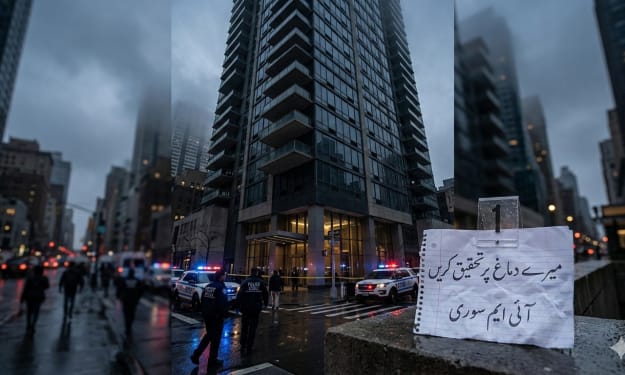
"Research My Brain, I Am Sorry"
The heart of Manhattan is no stranger to the frantic energy of city life, but recently, the 44-story luxury towers of the New York skyline became the backdrop for a tragedy that has left investigators and the public grappling with a haunting mystery. After a calculated and violent shooting spree that sent residents scrambling for their lives, the discovery of the gunman’s body revealed a final, cryptic request scrawled on a piece of paper: **"Research my brain. I am sorry."**
By Irshad Abbasi about 13 hours ago in History
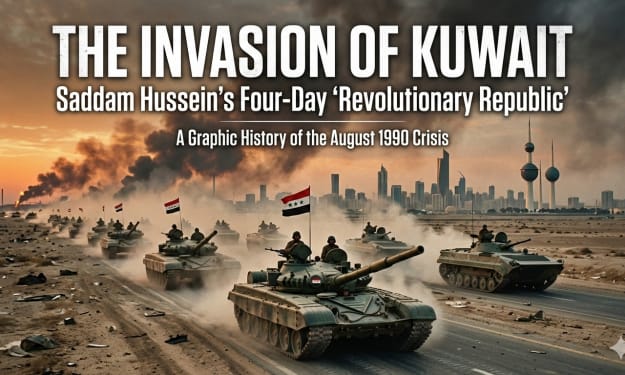
The Invasion of Kuwait: Saddam’s Four-Day ‘Revolutionary Republic
On August 2, 1990, the world woke up to a geopolitical earthquake. Under the orders of Saddam Hussein, over 100,000 Iraqi troops, backed by hundreds of tanks, surged across the border into the tiny, oil-rich emirate of Kuwait. While history remembers this as the spark for the Gulf War, the first few days of the occupation featured a bizarre political theater: the creation of a short-lived puppet state known as the **"Republic of Kuwait."**
By Irshad Abbasi about 13 hours ago in History
The Mysterious Arms Drop: When Weapons Fell from the Sky Over India
In the mid-1990s, one of the most mysterious and controversial arms smuggling operations in South Asia unfolded in dramatic fashion when a large cache of weapons literally fell from the sky in eastern India. The incident involved an aircraft traveling between Karachi and Dhaka, allegations of international intelligence links, and a clandestine mission that continues to raise questions about who was behind it and why.
By Irshad Abbasi about 14 hours ago in History
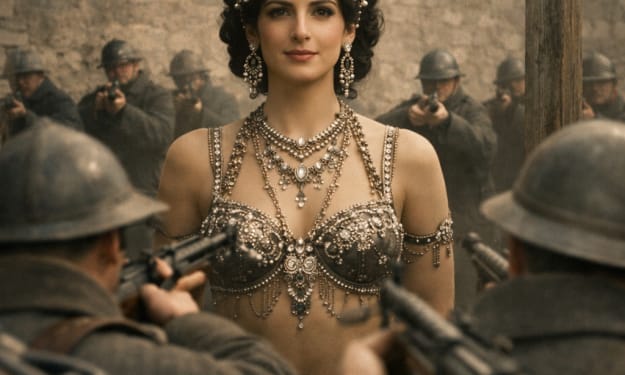
Mata Hari: The Legendary Spy Who Refused a Blindfold Before Execution
Few figures in the history of espionage are surrounded by as much mystery, drama, and fascination as **Mata Hari**. Known for her beauty, charm, and exotic stage performances, she became one of the most famous alleged spies of the early twentieth century. Her life, however, was not just a story of glamour—it ended in tragedy when she faced a firing squad during World War I. What made her final moments even more remarkable was her refusal to have her eyes covered before execution.
By Irshad Abbasi about 14 hours ago in History
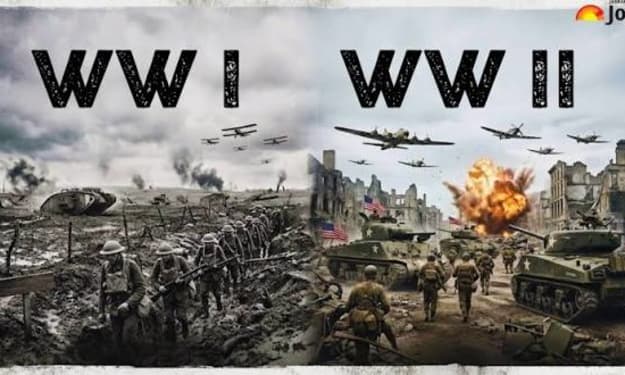
Which War Caused More Destruction: World War I or World War II?
The two largest conflicts in modern history are World War I (1914–1918) and World War II (1939–1945). Both wars changed the course of human history and caused enormous destruction across many countries. Millions of soldiers and civilians lost their lives, cities were destroyed, and economies collapsed. However, historians generally agree that the Second World War caused far greater damage and loss of life than the First World War. By examining the number of deaths, the scale of destruction, and the impact on civilians, it becomes clear why World War II is considered the deadliest conflict in history.
By shaoor afridiabout 15 hours ago in History
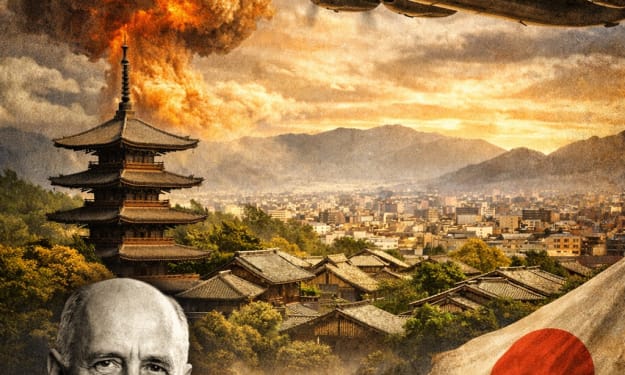
The Lucky Japanese City That Escaped the Atomic Bomb Twice
In the final months of World War II, the United States prepared to deploy a new and terrifying weapon that would forever change warfare: the atomic bomb. Two Japanese cities—Hiroshima and Nagasaki—would ultimately suffer unimaginable devastation in August 1945. Yet few people know that another city, rich in culture and history, came dangerously close to sharing the same fate. That city was Kyoto, often described as the “lucky city” of Japan because it escaped being targeted not once, but twice.
By Irshad Abbasi about 15 hours ago in History
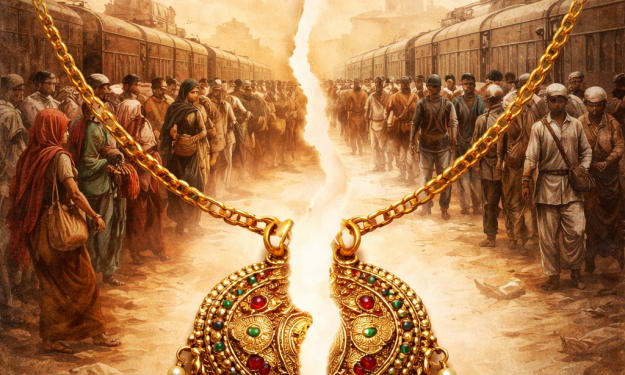
The Necklace That Partition Tore Apart
History often records wars, political decisions, and the actions of powerful leaders. Yet behind these grand narratives lie deeply personal stories—stories of ordinary people whose lives were forever changed by historic events. One such story is that of a simple necklace, a small but powerful symbol of love and separation during the tragic division of the Indian subcontinent in 1947.
By Irshad Abbasi about 15 hours ago in History
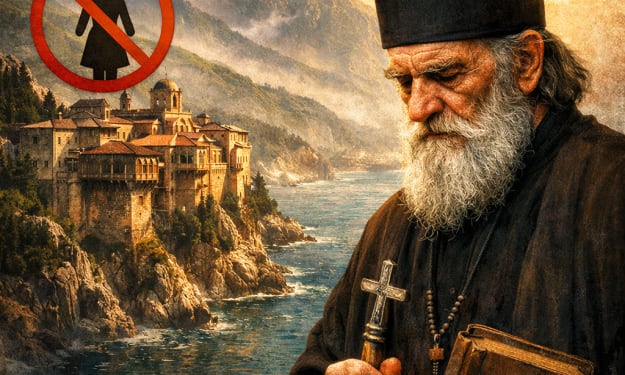
The Monk Who Never Saw a Woman: The Extraordinary Life of Mihailo Tolotos
History is filled with remarkable stories of people who lived unusual lives, but few are as extraordinary as the story of Mihailo Tolotos. According to a widely shared historical account, Tolotos was a Greek monk who lived from 1856 to 1938 and reportedly never saw a woman during his entire lifetime. His story has fascinated historians, journalists, and readers for decades because it represents an extreme example of religious devotion and isolation.
By Irshad Abbasi about 15 hours ago in History
The V-Shaped Torture Device: A Dark Reminder from Europe’s Brutal Past
History is often remembered through stories of great empires, heroic leaders, and remarkable achievements. Yet behind many of these achievements lies a darker reality—one filled with cruelty, punishment, and suffering. Across medieval Europe, various instruments of torture were created not only to punish criminals but also to intimidate societies and maintain control. One such device was the infamous V-shaped torture bench, a chilling reminder of how brutal justice could be in the past.
By Irshad Abbasi about 15 hours ago in History