
How to Learn to Cook Regional Cuisine.
Practical Steps to Master Authentic Dishes from Different Cultures.


Regional cuisine reflects the history, climate, agriculture, and traditions of a place. Every region develops unique flavors, cooking techniques, and ingredients shaped by local culture. Learning to cook regional dishes allows you to experience the identity of a community through food.
Many travelers and food enthusiasts want to recreate authentic meals from different parts of the world. With the right approach, anyone builds skills in preparing traditional recipes while understanding the cultural context behind them.
Understand the Culture Behind the Food
Food always connects with culture. Before cooking regional cuisine, learn about the traditions and history of the region.
Research topics such as:
• local ingredients and farming practices
• traditional cooking tools
• meal structure and dining customs
• historical influences on the cuisine
For example, Naples in Italy developed famous dishes like Pizza Napoletana due to the region’s wheat production, tomatoes, and wood fired ovens. Understanding these influences improves your appreciation of the cooking style.
Study Authentic Recipes
Authentic recipes provide the foundation for learning regional cuisine. Cookbooks, culinary schools, and traditional chefs preserve many of these recipes.
Focus on recipes created within the region rather than modern adaptations. Traditional versions often maintain the original balance of flavors and cooking methods.
For instance, the Japanese dish Sushi developed through centuries of culinary practice in Japan. Proper preparation requires understanding rice seasoning, knife skills, and seafood selection.
Following authentic instructions ensures you respect the culinary heritage of the region.
Learn from Local Chefs
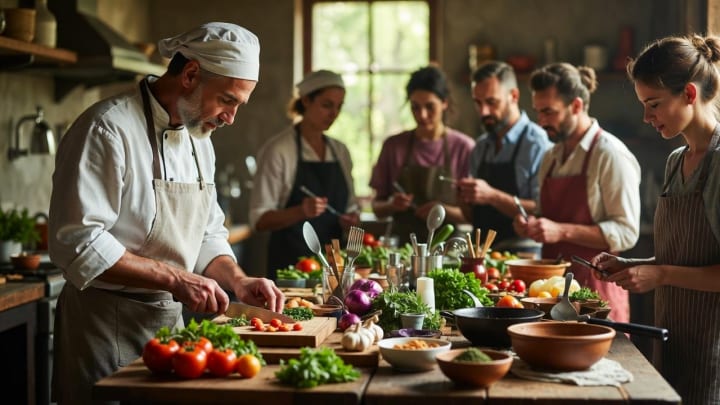
Professional chefs offer valuable knowledge about regional cooking techniques. Cooking classes led by local chefs provide hands on training that books alone cannot replace.
Culinary schools around the world specialize in regional cuisines. One well known institution is Le Cordon Bleu, which teaches classical French culinary techniques and international cooking traditions.
Local cooking workshops often include:
• ingredient selection at markets
• step by step preparation guidance
• explanation of traditional techniques
• tasting sessions with other participants
Learning directly from experienced cooks accelerates your progress.
Explore Local Markets
Regional cuisine depends on fresh and seasonal ingredients. Visiting local markets helps you understand which products define a particular culinary tradition.
Markets provide exposure to spices, vegetables, grains, seafood, and meats used in traditional dishes.
For example, markets in Bangkok reveal the essential ingredients of Thai cooking such as herbs, chilies, coconut products, and fermented sauces used in dishes like Pad Thai.
Observing how locals select ingredients teaches practical cooking knowledge that cannot be learned through recipes alone.
Practice Traditional Techniques
Each region develops unique cooking methods.
These techniques often define the flavor and texture of the final dish.
Examples include:
• slow braising used in French countryside cooking
• wok stir frying common in Chinese cuisine
• clay oven baking used in Indian cooking
• wood fired baking common in Mediterranean regions
Mastering these techniques improves the authenticity of your dishes.
Practice also builds confidence in handling unfamiliar ingredients and tools.
Travel to Culinary Destinations
Travel provides one of the most effective ways to learn regional cooking. Experiencing food in its original setting allows you to observe preparation methods and taste authentic flavors.
Some regions attract culinary travelers because of their distinctive food traditions.
For example, Bologna in Italy is famous for traditional pasta dishes such as Tagliatelle al Ragù. Visitors often participate in cooking classes and food tours to learn these recipes from local experts.
Travel also exposes you to regional dining customs and seasonal food culture.
Cook Regularly at Home
Consistent practice strengthens your cooking ability. Choose a region and prepare its dishes repeatedly.
Focus on a few core recipes first. Many cuisines revolve around a set of foundational dishes.
For example, mastering simple regional meals builds the skills needed for more complex recipes.
Keep a cooking journal where you record ingredient quantities, preparation steps, and flavor adjustments. This habit helps refine your techniques over time.
Watch Documentaries and Cooking Shows
Cooking documentaries provide visual demonstrations of regional cuisine.
Programs featuring chefs traveling through different countries reveal authentic cooking environments and cultural traditions.
Observing experienced cooks helps you understand timing, texture, and presentation.
These resources also introduce lesser known regional dishes that expand your culinary knowledge.
Join Food Communities
Food enthusiasts often share recipes and cooking advice through communities.
Online forums, culinary clubs, and social media groups allow members to exchange cooking tips and ingredient sources.
Engaging with these communities offers new ideas and feedback on your cooking experiments.
You also learn about regional variations within the same cuisine.
Conclusion
Learning to cook regional cuisine connects you with cultures across the world. Through research, practice, travel, and guidance from experienced chefs, you develop the skills required to recreate authentic dishes.
Exploring markets, studying traditional recipes, and mastering regional techniques bring deeper appreciation for global food traditions.
Cooking regional cuisine transforms your kitchen into a place of cultural discovery. Each dish tells a story about the people, geography, and history that shaped its flavors.
About the Creator
Wilson Igbasi
Hi, I'm Wilson Igbasi — a passionate writer, researcher, and tech enthusiast. I love exploring topics at the intersection of technology, personal growth, and spirituality.
Keep reading
More stories from Wilson Igbasi and writers in Humans and other communities.
How to Find Lectures and Talks While Traveling.
Travel offers more than sightseeing. Many cities host academic lectures, public talks, and intellectual discussions open to visitors. These events take place in universities, museums, libraries, cultural institutes, and research centers. Attending lectures during travel helps you gain knowledge while exploring new environments.
By Wilson Igbasiabout 3 hours ago in Humans
A Historic Declaration
We the People of the Husbands of the United States of America, in Order to form a more perfect Union, and I mean you...with me...establish Justice, insure domestic Tranquility, provide for the common defence, promote the general Welfare, and secure the Blessings of Liberty to ourselves, after Puberty, do ordain and establish this Declaration of Co-Dependence.
By Gerard DiLeo7 days ago in Humans
me, me, me
when i read back my poetry it screams “me, me, me” on my screen in bold letters and i can’t shut it up — most days, i cannot make any other words out; i want to throttle a thousand versions of the me gone by, i want to throw myself from a figurative balcony, i want to sink a sword into every pen i’ve held
By angela hepworth8 days ago in Poets



Comments
There are no comments for this story
Be the first to respond and start the conversation.