
Reaching for the Stars: The Best Destinations for Astronomy Lovers.
Journey Beyond the Familiar Lights to Witness the Majesty of the Cosmos.


For those with an insatiable curiosity about the universe, stargazing isn't just a hobby; it's a passion. It's a quest to unravel the mysteries painted across the night sky, to feel connected to something vastly larger than ourselves. But in our increasingly light-polluted world, finding truly dark skies where the Milky Way blazes in all its glory can feel like a daunting task. Fortunately, there are still pockets of Earth that offer exceptional conditions for astronomical observation, beckoning astronomy enthusiasts to embark on unforgettable celestial adventures. This article explores some of the best destinations for astronomy lovers, where you can witness the cosmos in all its breathtaking splendor.
1. The Atacama Desert, Chile: A Stargazer's Paradise
The Atacama Desert in Chile consistently tops lists of the world's best stargazing locations, and for good reason. This arid plateau in South America boasts incredibly dry air, high altitude, and virtually no light pollution. The combination of these factors creates exceptionally clear skies, allowing for unparalleled views of the night sky.
Here, you can visit world-class observatories like the Paranal Observatory, home to the Very Large Telescope (VLT), although public access can be limited. However, several local tour operators offer guided stargazing experiences, utilizing powerful telescopes to explore nebulae, galaxies, and planetary systems. The Elqui Valley, a bit south of the driest parts of the desert, is also popular, boasting numerous boutique observatories and stargazing lodges.
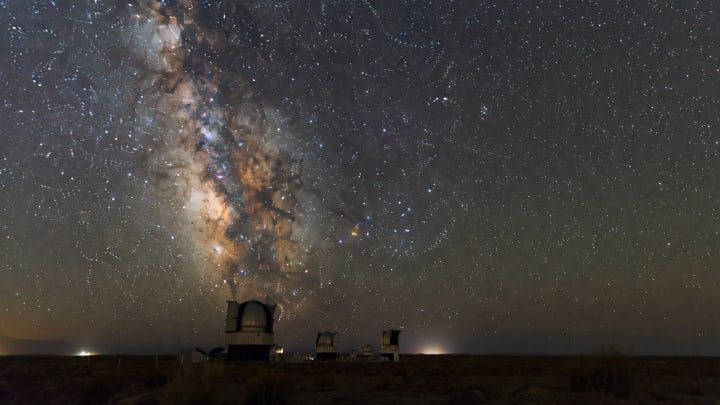
2. Mauna Kea, Hawaii, USA: Where Science Meets the Sacred
Located on the Big Island of Hawaii, Mauna Kea is a dormant volcano renowned for its exceptional astronomical observing conditions. Its summit, reaching nearly 14,000 feet, offers a high-altitude environment above much of the atmospheric turbulence and light pollution.
Mauna Kea is home to some of the world's most advanced telescopes, operated by various international institutions. While the summit is primarily for research, the Onizuka Center for International Astronomy Visitor Information Station (VIS) at the 9,200-foot level offers free stargazing programs nightly. It's important to be mindful of the cultural significance of Mauna Kea to native Hawaiians, who consider it a sacred site. Responsible stargazing practices and respect for the environment are crucial when visiting.
3. NamibRand Nature Reserve, Namibia: An African Starlit Sanctuary
Designated as an International Dark Sky Reserve, the NamibRand Nature Reserve in Namibia offers a unique and unforgettable stargazing experience. Located in the heart of the Namib Desert, this vast private nature reserve is far from any major settlements, ensuring exceptionally dark skies.
The lack of light pollution, combined with the clear, dry air, allows for stunning views of the Milky Way, the Magellanic Clouds, and countless other celestial wonders. Many lodges within the reserve offer dedicated stargazing facilities, including telescopes and knowledgeable guides. Imagine gazing at the cosmos while listening to the sounds of the African wilderness – a truly magical combination.
4. Aoraki Mackenzie International Dark Sky Reserve, New Zealand: Southern Hemisphere Marvels
Located in the South Island of New Zealand, the Aoraki Mackenzie International Dark Sky Reserve is a vast area committed to preserving the pristine darkness of its night sky. This region offers breathtaking scenery during the day, and an equally impressive celestial display at night.
The Mackenzie Basin is home to Lake Tekapo, a stunning turquoise lake surrounded by snow-capped mountains. At night, the lake reflects the shimmering stars, creating a mesmerizing scene. The Mount John University Observatory, located near Lake Tekapo, offers guided tours and stargazing experiences. Being in the Southern Hemisphere, you'll have the opportunity to see constellations like the Southern Cross and the Magellanic Clouds, which are not visible from the Northern Hemisphere.
5. Death Valley National Park, USA: A Stark Beauty Under a Starry Blanket
While the name might sound intimidating, Death Valley National Park in California is a surprisingly accessible and rewarding stargazing destination. This desert valley is one of the hottest, driest, and lowest national parks in the United States, and its extreme environment contributes to its remarkably dark skies.
Designated as an International Dark Sky Park, Death Valley offers numerous easily accessible stargazing locations. The vast open landscapes provide unobstructed views of the night sky. Camping under the stars in Death Valley is an unforgettable experience, allowing you to fully immerse yourself in the beauty of the cosmos.
Planning Your Stargazing Trip
Before embarking on your astronomical adventure, consider these tips:
* Check the moon phase: A full moon will wash out fainter stars and celestial objects. Aim for a new moon or crescent moon for the darkest skies.
* Pack appropriate clothing: Even desert locations can get cold at night, especially at higher altitudes. Dress in layers to stay warm and comfortable.
* Bring binoculars or a telescope: While the naked-eye view is impressive, binoculars or a small telescope will enhance your stargazing experience.
* Learn some basic astronomy: Familiarizing yourself with constellations and celestial objects will make your observations more rewarding.
* Respect the environment: Practice Leave No Trace principles to minimize your impact on the natural environment.
* Check the weather forecast: Clear skies are essential for stargazing. Check the forecast before you go and be prepared to reschedule if necessary.
Exploring the universe from these incredible destinations is more than just a vacation; it's an opportunity to connect with the cosmos, to learn about our place in the grand scheme of things, and to be awed by the infinite beauty of the night sky. So, pack your bags, grab your telescope, and prepare for an unforgettable journey to some of the best stargazing locations on Earth. The universe awaits!
About the Creator
Wilson Igbasi
Hi, I'm Wilson Igbasi — a passionate writer, researcher, and tech enthusiast. I love exploring topics at the intersection of technology, personal growth, and spirituality.
Keep reading
More stories from Wilson Igbasi and writers in Humans and other communities.
How to Study Wildlife Conservation Abroad.
Wildlife conservation has become one of the most important fields in environmental science. Species loss, habitat destruction, and climate change threaten ecosystems across the world. Many students choose to study wildlife conservation abroad in order to gain practical experience in diverse environments.
By Wilson Igbasiabout 3 hours ago in Humans
A Historic Declaration
We the People of the Husbands of the United States of America, in Order to form a more perfect Union, and I mean you...with me...establish Justice, insure domestic Tranquility, provide for the common defence, promote the general Welfare, and secure the Blessings of Liberty to ourselves, after Puberty, do ordain and establish this Declaration of Co-Dependence.
By Gerard DiLeo7 days ago in Humans




Comments
There are no comments for this story
Be the first to respond and start the conversation.