
Gas Prices Are Climbing Fast as Trump’s Iran Conflict Continues
Rising fuel costs at the pump and broader energy price shocks are rippling through the global economy amid the escalating U.S.–Iran war, threatening household budgets, industries, and international markets.

Middle East Tensions Drive Oil and Gas Prices Up
The ongoing military and political standoff between the United States and Iran has had immediate repercussions on global energy markets. Since the escalation, gasoline and natural gas prices have surged, with crude oil nearing $120 per barrel in some markets and retail gas prices climbing sharply in the U.S.
The uncertainty surrounding Iran’s response to U.S. actions—ranging from targeted strikes to potential broader military campaigns—has spooked investors and energy traders alike. Any disruption in oil exports from the Gulf could have far-reaching consequences, given the region’s role in supplying roughly 30% of the world’s crude oil.
U.S. Domestic Impact
American consumers are feeling the pressure at the pump. Gas stations across the country report higher prices week over week, and analysts warn that the trend may continue as the conflict persists.
Households are facing increased transportation costs, while businesses dependent on fuel—such as shipping, airlines, and logistics—may pass these costs onto consumers. This combination could drive inflationary pressures, impacting discretionary spending and slowing overall economic growth.
Economists note that, unlike typical seasonal fluctuations, the current price surge is tied to geopolitical risk rather than market demand alone, making it harder to predict when or if prices will stabilize.
Global Supply Chain Concerns
The conflict has also raised concerns about global supply chains. Shipping lanes in the Strait of Hormuz, through which roughly 20% of the world’s oil passes, are particularly vulnerable. Any military confrontation or blockade could significantly disrupt energy exports, forcing countries to scramble for alternative sources and driving up costs worldwide.
European nations, heavily reliant on Middle Eastern oil and gas, are closely monitoring the situation. Many have started seeking liquefied natural gas (LNG) imports from alternative suppliers to mitigate the risk of supply shortages. Asia, particularly China and India, is also watching the conflict carefully, as rising fuel costs could slow industrial production and economic recovery in the region.
Political Ramifications
Former President Donald Trump’s approach to the Iran conflict—including public statements about military action and regime change—has intensified global uncertainty. His insistence on exerting influence over Iran’s leadership and pushing for aggressive military measures has amplified market fears, signaling potential for an extended conflict.
Analysts warn that prolonged instability in the Middle East could have broader diplomatic repercussions, potentially straining U.S. alliances and creating friction in global energy cooperation. Countries like Saudi Arabia, UAE, and Qatar are also weighing their strategic responses to ensure energy exports remain uninterrupted.
Consumer and Business Strategies
For consumers, the immediate challenge is managing higher costs at the pump. Many are considering fuel-efficient vehicles, alternative transportation options, or reduced travel to mitigate expenses.
Businesses are similarly adjusting. Shipping companies are recalculating costs, airlines are evaluating fuel surcharges, and manufacturers dependent on energy-intensive processes may pass higher prices on to consumers.
Energy analysts advise both individuals and corporations to plan for a period of volatility, as prices could fluctuate sharply in response to military developments or diplomatic negotiations.
Historical Context
Energy price spikes during geopolitical conflicts are not new. Historical examples such as the 1973 oil embargo and the 1990 Gulf War demonstrate how Middle East instability can trigger global economic disruptions.
What makes the current situation particularly concerning is the combination of pre-existing inflation, recovering global demand post-pandemic, and the interconnected nature of modern supply chains. Together, these factors magnify the potential economic impact of sustained high energy prices.
Mitigation Efforts
Governments are taking steps to reduce the impact of rising energy costs. In the U.S., there are discussions about strategic petroleum reserve releases, potential fuel subsidies, and encouraging domestic oil production. European nations are accelerating alternative energy initiatives and seeking diversified LNG sources.
Renewable energy adoption, energy efficiency programs, and conservation measures are being promoted as longer-term solutions to reduce dependence on volatile fossil fuel markets. However, these solutions take time to implement and may not provide immediate relief to consumers facing rising bills.
Looking Ahead
The path of the conflict and its economic consequences remain uncertain. Analysts stress that continued escalation could push energy prices higher, potentially triggering broader economic challenges including inflation, reduced consumer spending, and pressure on international markets.
Investors and policymakers are closely monitoring developments, as even minor disruptions in the Gulf region could have outsized effects on global supply and costs. Meanwhile, households and businesses are bracing for continued volatility, adjusting budgets and operations to cope with higher energy expenses.
Key Takeaways:
Gas and oil prices are climbing rapidly due to tensions between the U.S. and Iran.
Consumers face higher fuel costs, which may reduce discretionary spending.
Global supply chains, particularly shipping through the Strait of Hormuz, are at risk.
Trump’s aggressive stance on Iran has intensified market fears of prolonged conflict.
Governments are exploring both short-term and long-term measures to mitigate energy price impacts.
Historical patterns suggest energy crises from Middle East instability can have lasting economic effects.
As the situation unfolds, the intersection of geopolitical conflict, energy markets, and economic stability will remain a critical area for policymakers, businesses, and households worldwide.
About the Creator
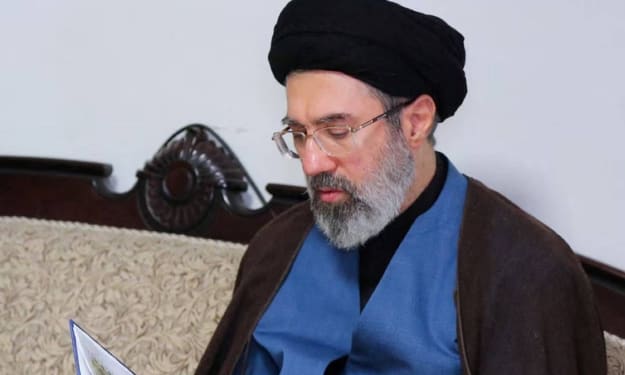
The Shadow Successor: The Rise of Mojtaba Khamenei as Iran’s New Supreme Leader
The political landscape of the Middle East shifted tectonically this Sunday as Iran’s Assembly of Experts officially announced the election of Mojtaba Khamenei as the country’s third Supreme Leader. This historic transition follows the sudden death of his father, Ali Khamenei, who was killed during the opening stages of a major military escalation involving American and Israeli strikes on Tehran on February 28th. For decades, the question of who would sit atop the pyramid of the Islamic Republic’s power remained a subject of intense speculation. Now, the ascension of the 56-year-old Mojtaba marks the end of an era and the beginning of a highly controversial hereditary transition in a system that once prided itself on its revolutionary departure from monarchy.
By Alex Sterling 2 days ago in Journal



Comments
There are no comments for this story
Be the first to respond and start the conversation.