
The Silent Swelling Millions Ignore
Why awareness and innovation are transforming the Lymphedema Treatment Market
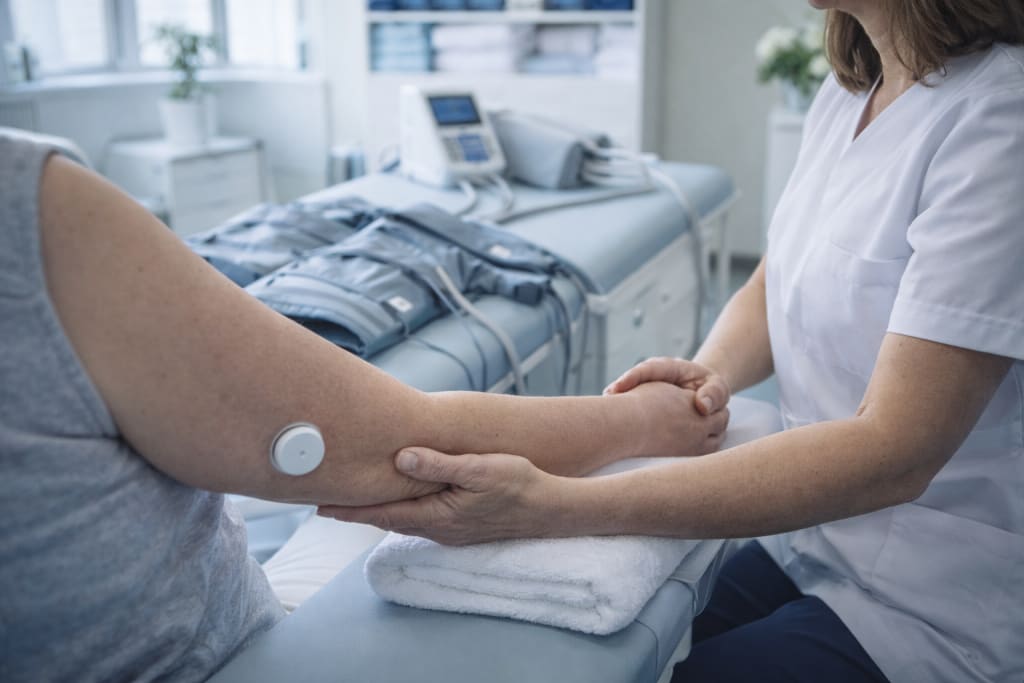
At first, it feels like a minor inconvenience.
A little swelling in the arm. A sense of heaviness in the leg. Shoes that suddenly feel tighter than usual.
For many people, these symptoms appear gradually—so slowly that they are easy to ignore.
But for millions around the world, this subtle swelling is the first sign of a lifelong medical condition known as lymphedema.
Often associated with cancer treatments, surgery, infections, or lymphatic system disorders, lymphedema occurs when lymph fluid builds up in the body’s tissues. The result is persistent swelling, discomfort, and, in severe cases, reduced mobility.
Despite its impact, lymphedema remains widely misunderstood and frequently underdiagnosed.
Yet awareness is beginning to grow.
Medical innovations, improved diagnostics, and expanding therapeutic options are driving increased attention toward this condition—and fueling growth in the Lymphedema Treatment Market.
According to Mordor Intelligence, the market is projected to grow at a compound annual growth rate (CAGR) of 8.91% during the forecast period (2026–2031).
Behind that growth lies an important shift: healthcare systems are recognizing that chronic swelling isn’t merely cosmetic—it can profoundly affect quality of life.
Understanding the Condition Few People Talk About
The lymphatic system plays a crucial role in the body’s immune function.
It acts as a drainage network, transporting lymph fluid that carries immune cells and waste products throughout the body. When this system becomes damaged or blocked, fluid accumulates in nearby tissues.
That accumulation leads to swelling, often in the arms or legs.
Lymphedema is commonly classified into two categories:
Primary lymphedema, caused by genetic or developmental abnormalities in the lymphatic system
Secondary lymphedema, which occurs after surgery, radiation therapy, infections, or trauma
Cancer treatment is one of the most common triggers. Patients undergoing lymph node removal or radiation therapy—particularly during breast cancer treatment—can experience damage to lymphatic pathways.
But the condition is not limited to cancer survivors.
Chronic infections, obesity, and certain surgical procedures can also contribute to lymphatic disruption.
Without treatment, lymphedema can progress over time, leading to:
- Persistent swelling
- Skin thickening
- Increased infection risk
- Reduced mobility
Because the condition develops slowly, many people delay seeking medical attention until symptoms become severe.
That delay is one reason awareness and early diagnosis are becoming critical priorities in healthcare.
Why Treatment Is Finally Getting Attention
For decades, treatment options for lymphedema remained relatively limited.
Patients relied primarily on compression garments, manual lymphatic drainage massage, and lifestyle adjustments to manage symptoms. While these therapies remain essential, modern medicine is expanding the range of available solutions.
Today’s treatment landscape includes:
Advanced compression devices
Pneumatic compression systems use controlled air pressure to stimulate lymphatic flow and reduce swelling in affected limbs.
Specialized physiotherapy
Certified therapists perform targeted lymphatic drainage techniques designed to improve fluid circulation.
Improved compression garments
Modern materials and ergonomic designs make therapeutic compression wear more comfortable for daily use.
Surgical innovations
New microsurgical procedures, such as lymphatic bypass techniques, aim to restore lymphatic drainage pathways.
These developments are improving outcomes for patients while increasing demand for specialized treatments and medical devices.
As a result, the Lymphedema Treatment Market is expanding steadily. Mordor Intelligence reports that the market is expected to grow at a CAGR of 8.91% between 2026 and 2031.
But technology alone is not driving this growth.
Another powerful factor is awareness.
The Hidden Impact on Patients’ Lives
Lymphedema is not simply a medical condition—it can reshape everyday life.
Imagine waking up each morning with swelling that makes it difficult to move your arm or leg comfortably. Imagine needing to wear compression garments daily or schedule regular therapy sessions just to manage symptoms.
For many patients, the physical discomfort is only part of the challenge.
The emotional impact can be just as significant.
Chronic swelling can affect body image, mobility, and confidence. Activities that once felt effortless—walking long distances, exercising, even choosing comfortable clothing—may require careful planning.
Patients often describe lymphedema as a “silent condition” because it receives far less attention than other chronic diseases.
But the tide is slowly turning.
Healthcare providers are beginning to recognize the importance of early screening, particularly for cancer survivors who may be at higher risk.
Education programs and patient advocacy groups are helping people recognize symptoms sooner and seek appropriate treatment.
With earlier diagnosis and improved therapies, many patients are able to manage the condition effectively and maintain active lifestyles.
A Future of Better Care and Earlier Diagnosis
Medical understanding of the lymphatic system has advanced significantly in recent years.
Researchers are exploring new imaging technologies that allow doctors to visualize lymphatic flow in greater detail. These tools may eventually help detect lymphedema earlier—before severe swelling develops.
At the same time, treatment approaches are becoming more personalized.
Healthcare providers increasingly combine multiple therapies, such as compression therapy, physiotherapy, and lifestyle management, to create comprehensive care plans tailored to each patient.
Future innovations may include:
- Improved surgical reconstruction techniques
- Smart compression garments that monitor swelling in real time
- Digital health platforms that track symptom progression
- AI-assisted diagnostic tools for early detection
Together, these advancements could dramatically improve the lives of people living with lymphedema.
And as awareness grows, healthcare systems are likely to invest more resources into managing this often-overlooked condition.
That momentum is reflected in the steady expansion of the Lymphedema Treatment Market, which Mordor Intelligence projects will grow at a compound annual growth rate of 8.91% during the 2026–2031 forecast period.
But beyond the statistics lies a deeper message.
Lymphedema may begin quietly—with a subtle swelling that seems easy to dismiss.
Yet for millions of patients, early recognition and treatment can make the difference between a manageable condition and a lifelong struggle.
The more we understand this hidden disease, the better equipped we are to address it.
And perhaps most importantly, the more people we can help before symptoms silently take control.
Chronic conditions often remain invisible until they begin to disrupt daily life.
But awareness can change everything.


Comments
There are no comments for this story
Be the first to respond and start the conversation.