
United Airlines Will Ban Passengers Who Don't Use Headphones While Flying
The airline introduces stricter cabin etiquette rules as part of a broader effort to improve passenger experience and reduce in-flight disturbances
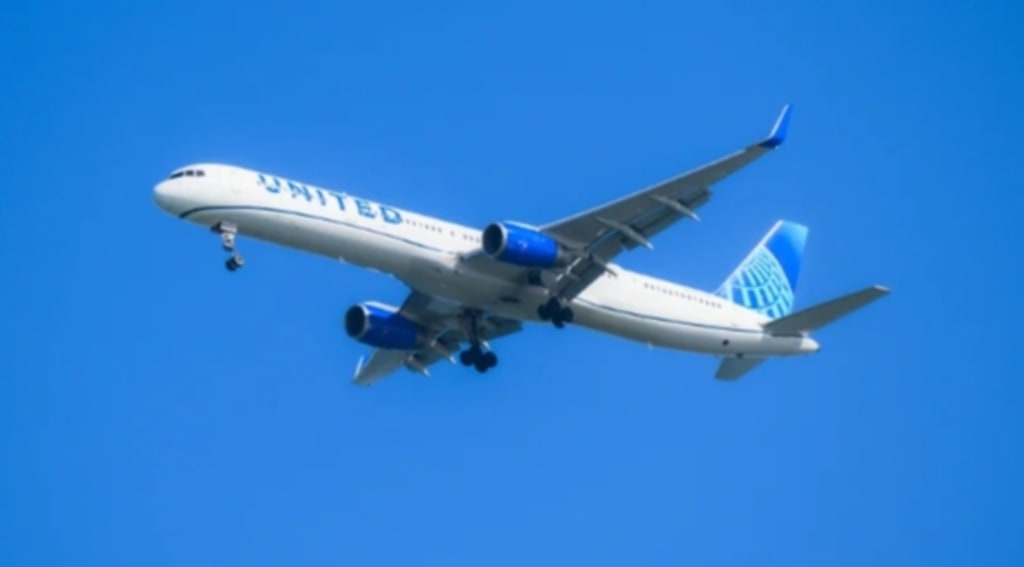
Air travel has always required a delicate balance of shared space, patience, and basic courtesy. But in recent years, complaints about disruptive behavior during flights have increased, particularly when it comes to passengers playing music, videos, or games aloud on personal devices. In response, United Airlines has announced that it will enforce stricter rules against passengers who refuse to use headphones while flying, potentially banning repeat offenders from future travel.
The move reflects a growing push by airlines to maintain a comfortable cabin environment as personal technology becomes increasingly common during flights. Smartphones, tablets, and laptops have transformed the way travelers pass time in the air, but when used without headphones, they can also create tension among passengers sharing the confined space of an aircraft cabin.
By taking a firm stance on this issue, United Airlines hopes to reinforce basic in-flight etiquette and ensure a quieter, more pleasant journey for everyone on board.
Why the Rule Is Being Enforced
Although many airlines already encourage passengers to use headphones when watching or listening to media, enforcement has historically been inconsistent. Flight attendants often remind travelers to lower the volume or use headphones, but consequences for ignoring those requests have been limited.
United Airlines is now signaling that repeated violations will be taken more seriously.
According to the airline, passengers who refuse to follow crew instructions about headphone use may face consequences ranging from warnings to being placed on internal “no-fly” lists for future United flights.
The decision reflects a growing recognition within the airline industry that seemingly minor disruptions can quickly escalate in the confined environment of an aircraft cabin.
Unlike many public spaces, passengers on flights cannot simply move away from someone causing a disturbance. As a result, maintaining a respectful atmosphere becomes especially important.
The Rise of Personal Devices on Flights
The need for clearer rules comes at a time when personal devices have become a central part of the travel experience.
Nearly every passenger now carries at least one electronic device capable of playing music, streaming videos, or hosting video calls. Many flights also offer onboard Wi-Fi, allowing travelers to access streaming platforms or social media throughout their journey.
While this technology has greatly improved in-flight entertainment options, it has also created new challenges for airlines.
Passengers who watch videos or listen to music without headphones can unintentionally disturb those around them, particularly during long flights where people may be trying to sleep or work.
What may seem like a small annoyance to one traveler can become a major frustration for others sitting nearby.
Airlines therefore see headphone use as a simple but important step in maintaining a respectful shared environment.
Cabin Etiquette and Passenger Behavior
United Airlines’ new approach highlights a broader conversation about passenger behavior and cabin etiquette.
Over the past several years, airlines have reported an increase in disputes between passengers and crew members, sometimes leading to flight diversions or legal action.
While most incidents involve more serious issues such as intoxication or refusal to follow safety instructions, smaller etiquette problems can also contribute to tension during flights.
Cabin crews are responsible for maintaining safety and order, and even minor disruptions can distract from their primary duties.
By setting clear expectations around headphone use, airlines hope to reduce one common source of conflict and give flight attendants stronger authority to address disruptive behavior quickly.
Passenger Reactions
The announcement has sparked mixed reactions among travelers.
Many passengers support the rule, arguing that using headphones is simply common courtesy. Social media discussions about the policy have included numerous stories from travelers frustrated by fellow passengers playing loud videos or music during flights.
For those who value quiet or need to work while flying, the rule is seen as a welcome step toward improving the overall travel experience.
Others, however, worry that strict enforcement could lead to unnecessary confrontations between passengers and airline staff.
Some critics also argue that occasional mistakes—such as briefly playing a video without realizing the volume is on—should not lead to severe penalties.
United Airlines has indicated that enforcement will focus primarily on passengers who refuse to comply after being asked by crew members to use headphones.
Technology and Changing Travel Norms
The issue of headphone use also reflects how technology continues to reshape travel etiquette.
In the past, in-flight entertainment systems were provided by airlines through seatback screens and shared audio channels. Passengers typically received airline-issued headphones, ensuring that media consumption remained private.
Today, however, travelers increasingly rely on their own devices, and airlines are moving away from traditional entertainment systems on many aircraft.
This shift gives passengers more flexibility but also places greater responsibility on individuals to manage their own behavior.
As technology evolves, airlines must adapt their policies to ensure that new forms of entertainment do not disrupt the shared travel experience.
How Airlines Are Improving Passenger Comfort
United Airlines’ headphone rule is just one example of how airlines are working to improve the passenger experience.
Airlines around the world are experimenting with new strategies designed to reduce stress and increase comfort during flights. These efforts include improved cabin lighting, upgraded seating, quieter engines, and enhanced onboard services.
Maintaining a peaceful cabin environment plays a key role in these initiatives.
Even small changes in passenger behavior—such as using headphones, respecting personal space, and following crew instructions—can significantly improve the overall atmosphere of a flight.
For airlines competing in a crowded market, creating a more pleasant travel experience can help build customer loyalty and encourage repeat bookings.
The Role of Flight Attendants
Flight attendants will play an important role in enforcing the new policy.
As the frontline representatives of the airline, they are responsible for ensuring that passengers follow safety rules and cabin guidelines.
Under the updated approach, flight attendants will first remind passengers to use headphones if they notice audio being played aloud. If the passenger refuses or repeatedly ignores the request, further action could be taken.
This process allows the crew to address the issue calmly while maintaining authority over cabin behavior.
Airlines emphasize that the goal is not punishment but creating a respectful environment for everyone onboard.
Looking Ahead
The decision by United Airlines to enforce stricter rules on headphone use reflects a broader shift toward clearer expectations for passenger conduct.
As air travel continues to evolve, airlines are recognizing that maintaining a positive in-flight atmosphere requires cooperation from both passengers and crew.
With millions of people sharing aircraft cabins every day, even small acts of courtesy can make a significant difference.
Using headphones while watching videos or listening to music may seem like a minor rule, but it represents a larger principle: respect for the shared space that air travel requires.
If widely adopted and respected, policies like this could help make flights quieter, more comfortable, and more enjoyable for travelers around the world.
About the Creator
The Couple We All Watched Grow Up
I didn’t know them. But I felt like I did. For over a decade, they were part of my life—not as celebrities, but as characters in a story I watched unfold in real time. I saw them at seventeen, awkward and bright-eyed on red carpets, fumbling through interviews, hiding smiles behind their hands. I saw them navigate fame, heartbreak, and the slow, steady work of becoming adults—all while the world watched, judged, and claimed ownership of their journey.
By KAMRAN AHMAD4 days ago in Journal




Comments
There are no comments for this story
Be the first to respond and start the conversation.