
Sheffield Health Expert Urges Mounjaro Users to Boost Intake of Key Nutrients
Sheffield expert urges Mounjaro users to eat more protein, fruits, vegetables, and whole grains for healthy weight loss.

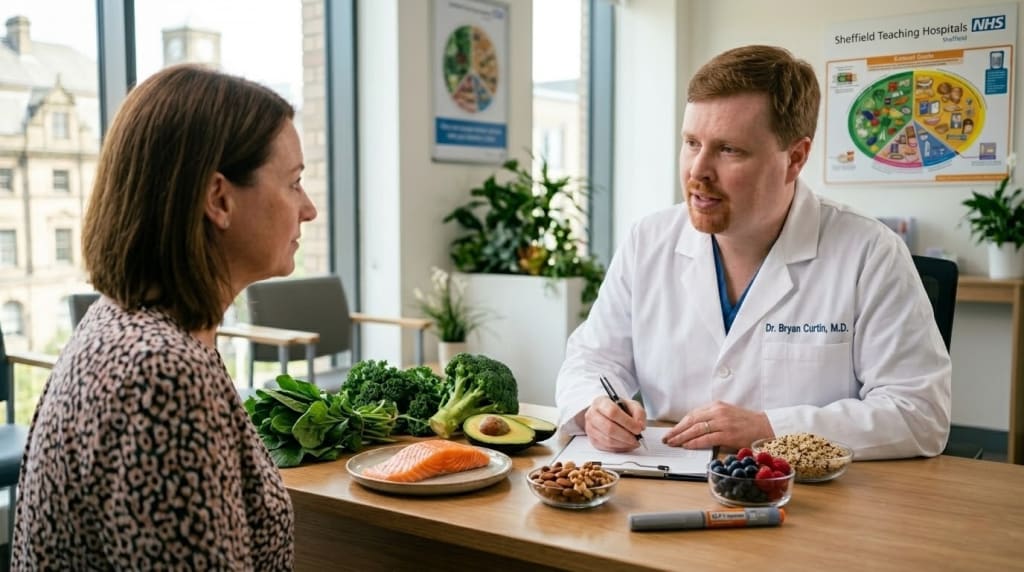
GLP-1 weight loss medications such as Mounjaro, Ozempic and Wegovy have surged in popularity across the UK, with thousands of people turning to weekly injections to support weight loss and blood sugar control. Clinics and online pharmacies have reported rising demand, particularly in cities like Sheffield, where more patients are now using GLP-1 medications as part of structured weight management plans.
However, health professionals are warning that while these medications can reduce appetite significantly, they can also unintentionally lower overall nutrient intake if patients are not careful. Because GLP-1 drugs slow gastric emptying and suppress hunger, some users may eat far less than their body requires to maintain muscle mass, micronutrient levels, and digestive health.
Dr. Ayesha Bryant, a medical expert who advises on GLP-1 therapies, says patients need to be more intentional about food choices while taking medications like tirzepatide and semaglutide.
“People often focus on the scale,” Dr. Bryant explains. “But weight loss should never come at the expense of nutritional health. When appetite drops, food quality becomes even more important.”
Prioritise Protein to Protect Muscle
One of the biggest concerns for patients on GLP-1 medications is inadequate protein intake. Because overall calorie consumption often falls dramatically, protein levels can drop too low, increasing the risk of muscle loss.
“Lean protein should be a daily priority,” says Dr. Bryant. “This includes foods like chicken breast, turkey, fish, eggs, Greek yogurt, tofu, lentils, seeds, and nuts.”
Maintaining muscle mass is critical not only for strength but also for metabolic health. Protein also helps patients feel fuller for longer and supports recovery if they are incorporating exercise into their weight loss plan.
Choose Whole Vegetables and Fruits for Micronutrients
Dr. Bryant also stresses the importance of fiber and micronutrients, which are sometimes neglected when appetite decreases.
“Leafy greens such as spinach, kale and broccoli are excellent choices,” she notes. “Peppers, carrots, peas and beans are also nutrient-dense while being relatively low in calories.”
Fruits such as berries, apples and kiwifruit can provide essential vitamins and antioxidants. Fibre from fruits and vegetables also helps reduce the risk of constipation, which is a common side effect of GLP-1 medications.
Opt for Healthy Fats, Not Highly Processed Foods
Because patients are eating smaller portions, each meal needs to deliver nutritional value. Dr. Bryant advises focusing on unsaturated fats while limiting saturated and ultra-processed options.
“Olive oil, avocados, seeds, nuts and oily fish like salmon provide beneficial fats that support heart health,” she explains. “These are far more helpful than relying on convenience foods that offer little nutritional benefit.”
Sheffield patients, she adds, should be especially mindful of avoiding heavily processed snacks that may be easy to eat in small amounts but lack essential nutrients.
Whole Grains Over Refined Carbohydrates
Carbohydrates are not the enemy, Dr. Bryant emphasizes, but quality matters.
“Whole grains such as brown rice, oats, quinoa and whole wheat bread provide sustained energy and fiber," she says. “Refined carbohydrates like white bread or sugary cereals can spike blood sugar and leave you feeling fatigued.”
For patients taking GLP-1 medications for both weight management and blood sugar control, these choices can make a significant difference.
Hydration Is Often Overlooked
Reduced appetite can also mean reduced thirst signals for some individuals. Staying hydrated is essential, particularly when gastrointestinal side effects are present.
“Water should be your main drink,” Dr. Bryant advises. “Herbal teas can also help, and adding lemon or lime can make water more appealing. Proper hydration can ease constipation and support overall wellbeing.”
Personalised Advice Is Key
While general nutrition guidance can help, Dr. Bryant stresses that patients should always consult a GP or registered dietitian when starting medications like Mounjaro, Ozempic or Wegovy.
“These treatments are powerful tools,” she says. “But they work best when combined with thoughtful nutrition, strength-preserving protein intake, adequate fibre and good hydration. Weight loss should be healthy and sustainable, not nutritionally depleting.”
As the popularity of GLP-1 medications continues to grow in Sheffield and across the UK, experts say education around diet may be just as important as the injections themselves.
About the Creator
Alex
I've built my career around people-focused roles in the software industry, where clear communication, hands-on support, and quality assurance are always top priorities.
The Biomechanics of Better Steps
Most people assume that better walking begins with stronger muscles. Walking is not just a muscular act — it is a neurological performance. Every step is shaped by a constant exchange of information between your feet and your brain. This communication system, known as the sensory motor network, determines how stable and confident your movement feels.
By AhmedFitLife5 days ago in Longevity
Review of 'Man on the Run'
My wife and I saw Man on the Run, a nearly 2-hour documentary on Amazon Prime, about Wings, Paul McCartney's group that flew around the world from shortly after The Beatles broke up in early 1970 to shortly after John Lennon was murdered at the end of 1980, making a Beatles reunion forever impossible.
By Paul Levinson5 days ago in Beat




Comments
There are no comments for this story
Be the first to respond and start the conversation.