
How To See Sinharaja Through the Eyes of a Nature Lover
This guide shares how to approach Sinharaja with patience and respect
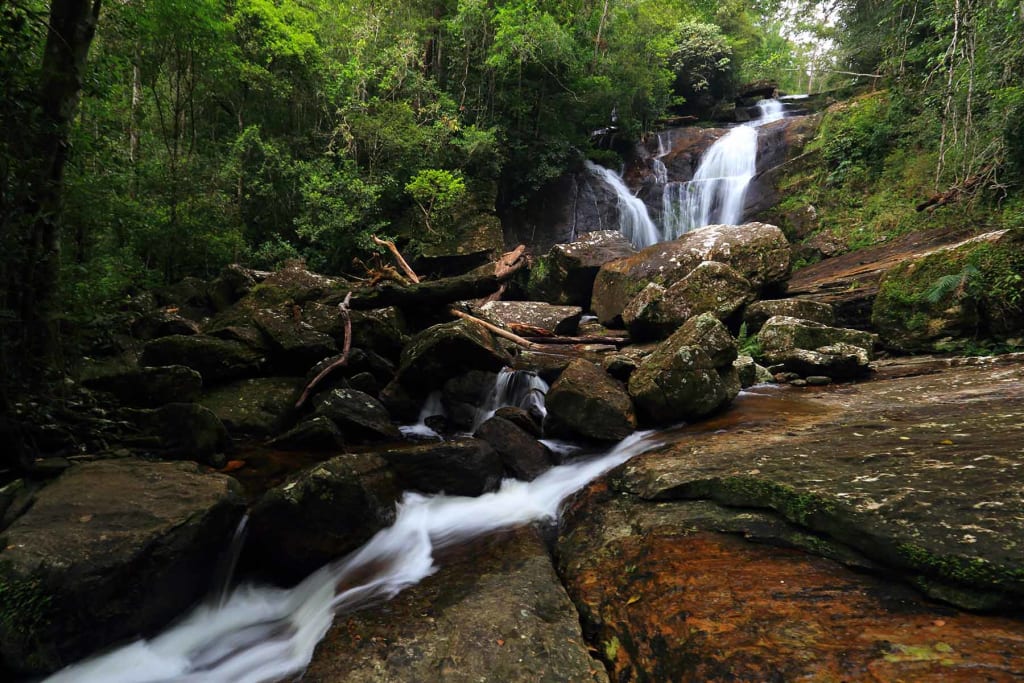
The island of Sri Lanka is home to some of the most interesting and diverse ecosystems, ranging from beaches to mountains to rainforests. Sinharaja Rainforest is one of Sri Lanka’s most special natural areas, known for thick jungle, rich wildlife and dense growth. Experiencing this place with care and curiosity is quite essential and lets you understand the forest in a better way. This guide shares how to approach Sinharaja with patience and respect, allowing you to observe its natural life.
Choosing The Right Base
The place you decide to call home for the duration of your stay in Sinharaja plays quite an important role in how you enjoy your trip. Staying in close proximity to the forest lets visitors have early starts, breaks between walks and time to rest without rushing. Staying at a place like The Rainforest Ecolodge puts you quite close to the forest entry points and local guides who understand the land and its wildlife. Being nearby also lets you hear forest sounds early in the morning and late in the evening, helping you feel part of the surroundings. This type of base supports longer walks and quieter mornings. You can plan guided hikes with ease, return to rest, and head out again when ready. Even when you are not inside the forest, the surroundings keep you connected to nature.
Learning What Awaits Inside the Reserve
Before entering the forest, it helps to understand the things to do in Sinharaja beyond merely wandering down a marked trail. The reserve is a UNESCO World Heritage Site and one of the last remaining primary rainforests in all of Sri Lanka. Many tree species found inside the forest exist nowhere else, along with a number of rare birds, reptiles and amphibians. The forest is made up of tall canopies, a thick undergrowth as well as narrow paths shaped by nature. Streams flow through shaded areas and support plant and animal life. Learning about this structure helps you notice patterns and understand why certain areas feel more active at different times of day.
Preparing For a Forest Walk
Being prepared for a walk in the forest, rather than doing as you please in the moment, is quite crucial in a rainforest like Sinharaja. Wear closed shoes with a good grip, as paths can be damp. Lightweight clothing that covers arms and legs helps with comfort, as well as protecting against various insects and leeches. Carry a reusable bottle of water, a hat and light snacks, as walks can last several hours. A licensed local guide is required if you are going deeper into the forest, and it also adds a certain depth to your visit. Guides are usually familiar with bird calls, plant features as well as animal behaviour that are easily missed by untrained eyes. They also set a pace that allows time to pause and watch. Moving slowly increases your chances of seeing wildlife and understanding how the forest functions.
Entering The Forest with Awareness
When you step under the canopy for the first time, a good idea would be to give your eyes time to adjust. Light filters through leaves, and various movements happen quietly. Instead of scanning quickly, let your eyes move slowly across the ground, tree trunks and branches above. Paying attention to the various sounds matters as much as sight. Insects create a steady background noise, while birds call across the plethora of trees. A sudden rustle or silence can signal a moving animal in the vicinity.
Observing Birdlife and Smaller Species
Sinharaja is known for its fantastic variety of birdlife, including species found only in Sri Lanka. Birds usually tend to move in groups so that several species may pass through together. When calls increase, stop and look around carefully. Smaller species like frogs, lizards as well as insects are part of the forest’s balance. Many of these species tend to blend into leaves, bark or soil. Guides can help you notice animals resting on leaves or tree trunks.




Comments
There are no comments for this story
Be the first to respond and start the conversation.