Iazaz hussain
Bio
Start writing...
Stories (86)
Filter by community
The Light Beyond the Fog
In the quiet coastal town of Whitby in northern England, where the sea winds often carried thick morning fog, lived a young man named Daniel Mercer. Whitby was beautiful but small, and for many young people it felt like a place where dreams arrived slowly—or not at all. Daniel grew up in a modest home above his mother’s small bakery. The smell of fresh bread and cinnamon rolls filled the air every morning before sunrise. His mother worked tirelessly, kneading dough while the town still slept. Daniel admired her strength, but deep inside he dreamed of something bigger. He wanted to become an engineer. Ever since he was a child, Daniel loved building things. Broken radios, old bicycles, discarded machines—he collected them all and tried to understand how they worked. His tiny bedroom slowly turned into a workshop filled with wires, screws, and small tools. But dreams are rarely easy. When Daniel finished secondary school, he applied to several universities. Weeks passed, then months. One by one, the letters arrived. Rejection. Another rejection. And another. Daniel sat quietly at the kitchen table staring at the final letter. His mother placed a warm cup of tea beside him. “Dreams don’t end because a door closes,” she said softly. “Sometimes they’re just asking you to find another way in.” Daniel nodded, but doubt filled his mind. Many of his friends had already found jobs in nearby towns. Some told him he was chasing an impossible dream. For a while, Daniel worked at the bakery with his mother. Every morning at 4 a.m., he helped prepare bread and pastries for the day. It was honest work, but each time he passed his old workshop corner, he felt the quiet ache of unfinished dreams. One rainy afternoon, while repairing the bakery’s old electric mixer, Daniel had an idea. The machine was inefficient and consumed too much electricity. With a few adjustments and a small motor he built himself, Daniel managed to reduce the energy use by almost half. His mother was amazed. Soon, nearby shop owners began hearing about Daniel’s small invention. A café owner asked if he could fix their coffee grinder. A butcher wanted help improving his refrigeration unit. Daniel started spending evenings repairing and improving machines for local businesses. What began as small favors slowly turned into a growing reputation. One day, a professor from a technical college in Leeds visited Whitby and stopped by the bakery. He heard about Daniel’s mechanical talent and asked to see his work. Daniel nervously showed him his workshop—small, messy, but full of creativity. The professor smiled. “Talent like this shouldn’t stay hidden,” he said. Within months, Daniel received an offer to study engineering at the college with a partial scholarship. For the first time in years, Daniel felt the fog lifting. University life was challenging. Many of his classmates had advanced education and expensive equipment, while Daniel had only his determination and experience from the bakery workshop. But he worked harder than anyone else. Late nights in the laboratory. Early mornings studying designs. Weekends building prototypes. Three years later, Daniel graduated with honors. Soon after, he launched a small startup focused on designing energy-efficient machines for small businesses—bakeries, cafés, and restaurants across Europe. The idea was simple: help small family businesses reduce energy costs and operate more sustainably. Within five years, Daniel’s company expanded across the United Kingdom, Germany, and France. His technology helped hundreds of local businesses save money and reduce electricity consumption. Yet despite his success, Daniel never forgot where he started. Whenever he visited Whitby, he still woke up early to help his mother in the bakery. The same mixer he had once repaired now sat proudly in the corner, still running smoothly. Looking at it, Daniel often remembered the moment when everything seemed lost. Success, he realized, is not about avoiding failure. It is about continuing forward when the path disappears into fog. Because sometimes, the light that guides us forward isn’t waiting somewhere far away. Sometimes, it’s something we build ourselves.
By Iazaz hussainabout 5 hours ago in Motivation
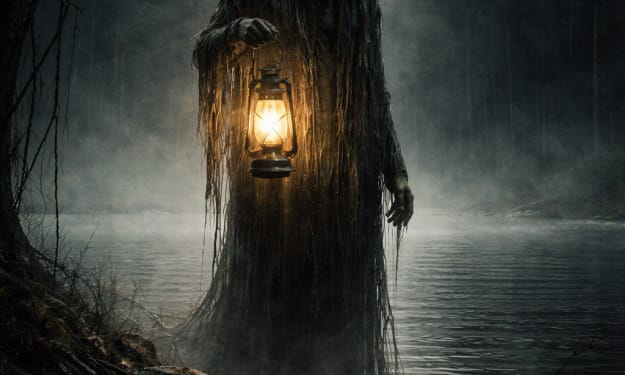
The Lantern of Hollowmere
The village of Hollowmere sat quietly between two dark forests in the northern countryside of Europe. It was the kind of place travelers rarely visited and maps sometimes forgot. Only one narrow road led in and out of the village, winding past an old lake that locals refused to go near after sunset.
By Iazaz hussain3 days ago in Horror
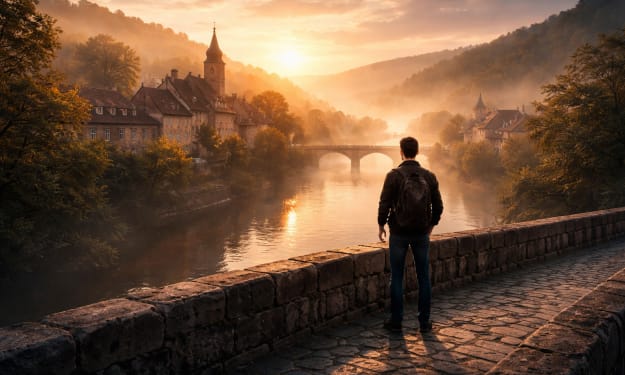
The Bridge He Almost Never Crossed
In a small riverside town in northern Europe, where winter stayed longer than welcome and the sun often hid behind gray clouds, lived a young man named Elias. His town was famous for its old stone bridge — a bridge that connected the quiet residential streets to the busy industrial district where most people worked. Every morning, hundreds of workers crossed it without thinking.
By Iazaz hussain6 days ago in Motivation
The Road Between the Bells
In a small town tucked between rolling hills and a slow silver river, the church bells rang every morning at six. For most people, the bells meant the start of work, school, or another ordinary day. For Tomas, they meant something else: another chance.
By Iazaz hussain7 days ago in Motivation
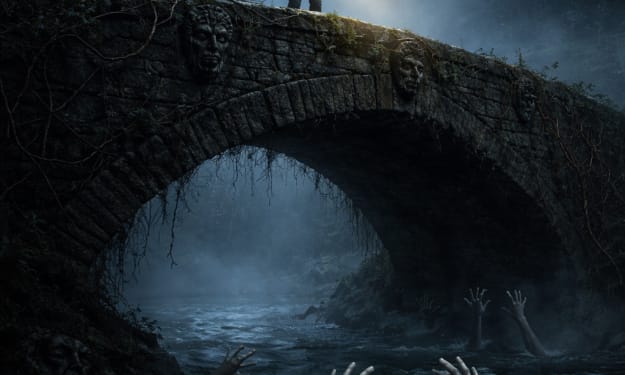
The Bridge That Whispers
In bridge no one used anymore. It curved gently over a narrow river, its surface cracked and moss-covered, as if time itself had tried to bury it. Locals crossed the modern bridge downstream, leaving the old one to the fog, the wind, and the stories. Tourists were told the bridge was unsafe. Children were told it was haunted. Elena heard about it on her first night in Greyhaven. She had come from the city to catalog historical structures for a regional preservation project. Greyhaven was her last stop—quiet, remote, and perfect for work. The innkeeper, a thin man with pale eyes, hesitated when she mentioned the old bridge. “Don’t go there after sunset,” he said. “It talks.” Elena laughed politely. She had spent years documenting ruins, castles, and forgotten churches. Every village had a ghost story to protect a pile of stones. Still, she noticed how the innkeeper’s hand trembled when he handed her the room key. The next morning, Elena walked to the bridge with her camera and notebook. In daylight, it looked harmless—beautiful, even. Wildflowers grew between the stones, and the river below whispered softly. She took photographs, measured the arch, and noted the erosion. There were strange carvings on the sides: not words, but twisted symbols, worn almost smooth. That night, she dreamed of water. In her dream, she stood on the bridge in thick fog. The river beneath her was silent, black as ink. From the stones under her feet came a low sound, like breath passing through teeth. Come back. She woke suddenly, heart racing. Outside her window, the fog was rolling in from the hills. Elena told herself it was only a dream caused by fatigue. But the next night, it happened again. This time, the whisper was clearer. Come back to us. On the third day, she asked a woman in the village café about the bridge. The woman stopped stirring her coffee. “They drowned there,” she said quietly. “Long ago. When the river flooded, the bridge broke in the middle. A wedding party was crossing. Carriage, horses, music… all gone. People say the stones remember the weight of them.” Elena felt a chill run down her spine. “That’s just a story, right?” The woman looked up. “Stories begin somewhere.” That evening, driven by curiosity and something darker—something pulling at her—Elena returned to the bridge at dusk. Fog wrapped around the riverbanks like a living thing. The modern bridge lights glowed far away, safe and distant. She stepped onto the old stones. The air felt colder in the center of the bridge. Her breath became visible. Then she heard it: soft footsteps behind her. She turned. No one was there. The river below began to make a different sound—not water, but voices. Murmuring, layered and slow. Stay. Elena backed away, but her foot caught on a broken stone. She fell to her knees. The carvings along the bridge seemed deeper now, sharper. They formed shapes—faces, frozen in stone, mouths open in endless screams. Hands rose from the mist. They were pale, dripping, reaching for her ankles. Elena screamed and scrambled backward, tearing her coat on the rough stone. One cold hand brushed her skin, and in that moment, she saw it: a flash of the past. Horses panicking. A carriage tipping. People crying out as dark water swallowed them. And then silence. She ran. By the time she reached the inn, her legs were shaking so badly she could barely stand. The innkeeper saw her face and said nothing—only locked the door behind her. She left Greyhaven the next morning without finishing her work. Months later, her report mentioned “structural instability” and “severe erosion.” It said nothing about whispers or hands or memories trapped in stone. But sometimes, when Elena stands on bridges in other cities—busy ones filled with traffic and noise—she feels a vibration under her feet, like a distant echo. And in the sound of rushing water, she hears a familiar voice: Come back.
By Iazaz hussain8 days ago in Horror
The Bridge of Tomorrow
In a small European town tucked between green hills and a quiet river, there lived a young man named Elias. The town was famous for its old stone bridge, built centuries ago. People said the bridge connected not just two sides of the river, but two different futures. One side led toward comfort and routine; the other toward uncertainty and change.
By Iazaz hussain12 days ago in Motivation
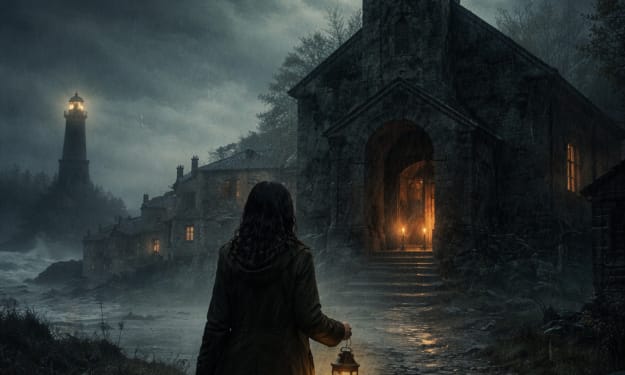
The Bell That Rang After Midnight
In the coastal village of Greymoor, the sea never slept. Waves whispered against black rocks, and wind threaded through crooked chimneys like a breath searching for a mouth. Tourists came in summer for the views and left before autumn taught the cliffs their true language. The villagers stayed, wrapped in wool and habit, and obeyed one old rule: when the church bell rang after midnight, nobody opened a door.
By Iazaz hussain14 days ago in Horror
The City That Forgot Its Name
In the heart of Europe, tucked between rivers that curved like silver ribbons, stood a city with no name. Maps labeled it with a blank space. Train conductors paused before announcing it. Travelers who arrived there forgot what they had come searching for. Locals called it simply “The City.”
By Iazaz hussain15 days ago in Fiction
The Road Between Two Mornings
In a quiet town tucked between low green hills and a winding river, there lived a young man named Tomas who believed that his life had already chosen him. Every morning at six, he unlocked the wooden door of his uncle’s bakery, tied on a flour-dusted apron, and baked bread for people who rarely looked up from their newspapers. His hands worked quickly, but his thoughts always moved faster—toward places he had never seen and dreams he had never dared to touch.
By Iazaz hussain17 days ago in Motivation
The Bells of Blackmere
In the northern reaches of a forgotten coastline, beyond the tourist maps and the bright harbors, lay the village of Blackmere. It was the kind of place that clung to the edge of the world—stone cottages pressed against black cliffs, roofs bowed like tired shoulders, and a church tower that rose like a broken finger pointing at the sky.
By Iazaz hussain17 days ago in Horror
The Silence Between the Bells
In the mountain village of San Rivo, the church bells rang every morning at seven and every evening at six. Between those hours, the town lived quietly — farmers worked their fields, bakers sold bread still warm from the ovens, and tourists came only in summer.
By Iazaz hussain18 days ago in Motivation