
Biochar: The "Black Gold" Revolutionizing Environmental Remediation
A Sustainable Shield Against Global Pollutants

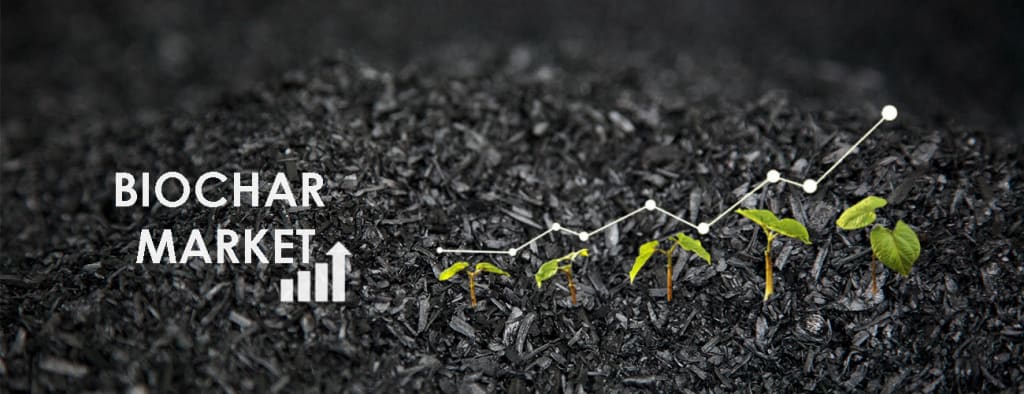
Biochar, a highly porous material produced through the pyrolysis of organic waste, has gained significant attention in recent years due to its potential in various environmental applications. One of the most promising uses of biochar is its ability to remove pollutants from water, soil, and air, making it a valuable tool in sustainable environmental management. In this blog post, we will explore the diverse applications of biochar in pollutant removal and how it is becoming a vital component of eco-friendly technologies.
What Is Biochar?
Biochar is a form of charcoal that is produced by heating organic material, such as agricultural waste, in an oxygen-limited environment through a process called pyrolysis. The resulting biochar has a high surface area and is rich in carbon, making it an excellent adsorbent for a range of environmental contaminants. Due to its high porosity, biochar can trap and hold pollutants, including heavy metals, organic compounds, and gases, thereby reducing their harmful effects on ecosystems and human health.
Biochar in Water Purification
Water pollution, especially from industrial discharge, agriculture runoff, and wastewater, poses a significant challenge to freshwater resources worldwide. Biochar has proven to be an effective material for water purification, specifically in the removal of heavy metals, organic pollutants, and even pathogens.
1. Heavy Metal Removal
Heavy metals like arsenic, lead, cadmium, and mercury are common pollutants found in contaminated water. These metals are toxic to aquatic life and can pose long-term health risks to humans. Biochar, with its porous structure and surface charge properties, can adsorb these heavy metals through physical and chemical interactions. The surface of biochar can bind with metal ions, effectively removing them from the water.
For example, studies have shown that biochar made from biochar machine with agricultural waste like rice husk, corn stover, and coffee husk can effectively remove arsenic and lead from contaminated water. The high surface area of biochar, combined with functional groups such as hydroxyl and carboxyl, enhances its ability to trap these metal ions.
2. Organic Pollutant Removal
In addition to heavy metals, biochar can also be used to remove organic pollutants such as pesticides, pharmaceuticals, and industrial chemicals. These organic compounds are often resistant to conventional water treatment methods and can accumulate in aquatic ecosystems, leading to long-term environmental damage.
Biochar's adsorptive capacity is particularly effective in removing organic contaminants. It works by trapping organic molecules in its micropores, preventing them from re-entering the water supply. This makes biochar a valuable tool in reducing the concentration of harmful chemicals in water.
3. Pathogen Removal
Biochar has been shown to have antimicrobial properties, making it effective in removing harmful pathogens from water. Its surface structure can inhibit the growth of bacteria, viruses, and fungi, thereby improving water quality. This makes biochar particularly useful in developing countries or areas with limited access to advanced water treatment facilities.
Biochar for Soil Remediation
Soil pollution is another growing concern, with contaminants such as heavy metals, pesticides, and toxic industrial chemicals affecting agricultural productivity and food safety. Biochar offers a sustainable and cost-effective method for soil remediation.
1. Heavy Metal Immobilization
In contaminated soils, biochar can reduce the bioavailability of heavy metals, preventing their uptake by plants. By binding with metal ions, biochar forms stable complexes that make the metals less accessible to plant roots. This can help mitigate the harmful effects of heavy metals on crops and reduce the risk of contamination in the food chain.
For example, studies have shown that biochar can reduce the uptake of cadmium, lead, and arsenic in crops grown in contaminated soils. This not only improves crop yields but also reduces the health risks associated with consuming contaminated produce.
2. Pesticide and Chemical Degradation
Pesticides and herbicides, which are widely used in agriculture, can remain in the soil for long periods, affecting soil health and contaminating groundwater. Biochar has the potential to adsorb these chemicals and accelerate their degradation, thereby reducing their harmful effects. It can also help restore soil health by improving its structure and water retention properties.
3. Improving Soil Fertility
In addition to its pollutant removal capabilities, biochar has been shown to improve soil fertility. It enhances soil aeration, water retention, and nutrient availability, which leads to better plant growth and increased crop yields. The addition of biochar to soil can create a more favorable environment for beneficial microorganisms, further improving soil health.
Biochar in Air Pollution Control
Air pollution, particularly in urban areas, is a major environmental concern. Biochar has also shown potential in controlling air pollutants, including volatile organic compounds (VOCs), particulate matter, and greenhouse gases.
1. Adsorption of VOCs
Volatile organic compounds (VOCs) are emitted by industrial processes, vehicle exhaust, and household products. These chemicals are harmful to human health and contribute to air pollution. Biochar, with its large surface area and high porosity, can adsorb VOCs, reducing their concentration in the air.
For instance, biochar made from coconut shells has been shown to effectively adsorb VOCs like benzene, toluene, and xylene. This makes biochar a promising material for air purifiers and industrial applications where VOC emissions are a concern.
2. Carbon Sequestration
Biochar is also recognized for its ability to sequester carbon. When applied to soil or used in industrial processes, biochar can lock away carbon for hundreds or even thousands of years, preventing it from entering the atmosphere as carbon dioxide. This property of biochar makes it a valuable tool in the fight against climate change, as it helps reduce the concentration of greenhouse gases in the atmosphere.
Future Prospects and Challenges
While the potential applications of biochar in pollutant removal are promising, there are still challenges to overcome. The scalability of biochar production, the cost of manufacturing, and the standardization of its use for different pollutants need to be addressed. However, with continued research and innovation, biochar holds significant promise as a sustainable solution for environmental cleanup.
Conclusion
Biochar is a versatile and sustainable material that offers a wide range of applications in the removal of pollutants from water, soil, and air. Its ability to adsorb heavy metals, organic compounds, and pathogens makes it an invaluable tool in environmental remediation. As research continues to explore its full potential, biochar could play a key role in achieving cleaner water, healthier soils, and improved air quality. By integrating biochar into pollution control strategies, we can take significant strides toward a more sustainable and eco-friendly future.
About the Creator
Bestonpyrolysis
Engaged in waste plastic/tyre/rubber recycling, oil sludge treatment, biomass recycling, sewage sludge management and paper recycling…
https://bestonpyrolysisplant.com/
Keep reading
More stories from Bestonpyrolysis and writers in Earth and other communities.
Batch vs. Continuous Pyrolysis: Choosing the Right Reactor for Biochar Production
The global biochar market is experiencing a period of rapid expansion. Driven by the need for scalable carbon dioxide removal (CDR) and a growing demand for soil amendments, project developers are moving from pilot studies to commercial production. However, for those entering the space, one of the most critical decisions involves the core technology itself: the pyrolysis reactor.
By Bestonpyrolysis9 days ago in Earth
Could World War III Be Coming Soon?
The idea of World War III often appears in news discussions, political debates, and public imagination. After the devastating impact of World War I and World War II, humanity has become deeply aware of the catastrophic consequences of global war. Today, when international tensions rise, many people wonder whether the world could again face a conflict on such a massive scale. While no one can predict the future with certainty, understanding the current global situation can help us evaluate whether a third world war is truly likely.
By shaoor afridi33 minutes ago in Earth




Comments (1)
Love this❤️🙏🌻