
Could World War III Be Coming Soon?
The world is change very soon

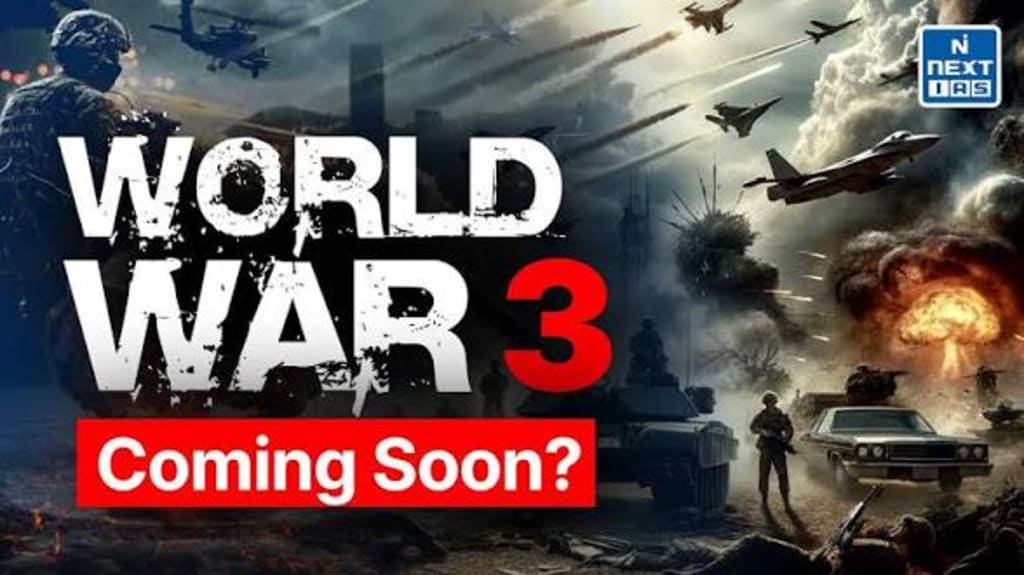
The idea of World War III often appears in news discussions, political debates, and public imagination. After the devastating impact of World War I and World War II, humanity has become deeply aware of the catastrophic consequences of global war. Today, when international tensions rise, many people wonder whether the world could again face a conflict on such a massive scale. While no one can predict the future with certainty, understanding the current global situation can help us evaluate whether a third world war is truly likely.
Rising Global Tensions
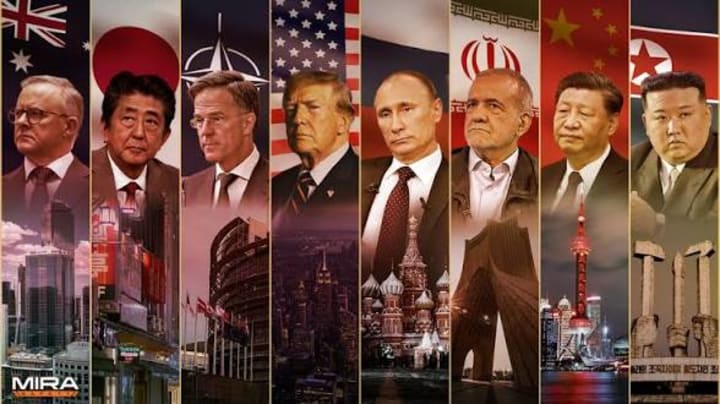
In recent years, geopolitical tensions have increased in several regions of the world. Conflicts between powerful nations and regional disputes sometimes raise fears of a larger confrontation. For example, the ongoing Russia–Ukraine War has intensified tensions between Russia and many Western nations, including the United States. Similarly, disputes in the Middle East involving countries such as Iran and Israel often create concern about wider regional conflicts.
Another area of tension exists in the Indo-Pacific region. Strategic competition between the United States and China over economic power, military influence, and territorial disputes has become a major topic in global politics. These rivalries sometimes cause analysts to warn about the possibility of larger conflicts if diplomacy fails.
The Role of Nuclear Weapons
One major difference between today and the early twentieth century is the existence of nuclear weapons. Countries such as the United States, Russia, and China possess powerful nuclear arsenals capable of causing unprecedented destruction. Because of this, many experts believe that large-scale war between major powers is less likely. The concept of “mutually assured destruction” means that if nuclear powers fight each other directly, the consequences could be catastrophic for the entire planet.
Ironically, this danger can also act as a deterrent. Knowing the possible outcomes, world leaders often avoid direct military confrontation and instead rely on diplomacy, economic sanctions, and negotiations to resolve disputes.
Modern Warfare and Global Interdependence
Another factor reducing the likelihood of a world war is global economic interdependence. In today’s interconnected world, countries rely heavily on international trade, technology, and shared resources. A large-scale war would severely damage global markets, supply chains, and economic stability. For this reason, many governments prefer cooperation and strategic competition rather than open warfare.
However, modern warfare could take different forms compared to the past. Cyberattacks, information warfare, and proxy conflicts have become more common. Instead of direct battles between major powers, conflicts may occur through smaller regional wars, cyber operations, or economic pressure.
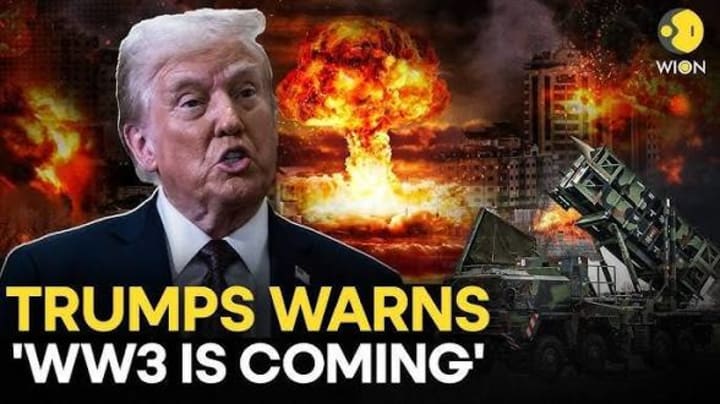
The Role of International Organizations
International organizations play an important role in maintaining global stability. Institutions such as the United Nations were created after World War II to prevent future global conflicts. Through diplomacy, peacekeeping missions, and negotiations, these organizations attempt to reduce tensions and encourage cooperation between nations.
Although these organizations cannot always prevent conflicts, they provide platforms where countries can communicate and resolve disputes peacefully rather than through war.
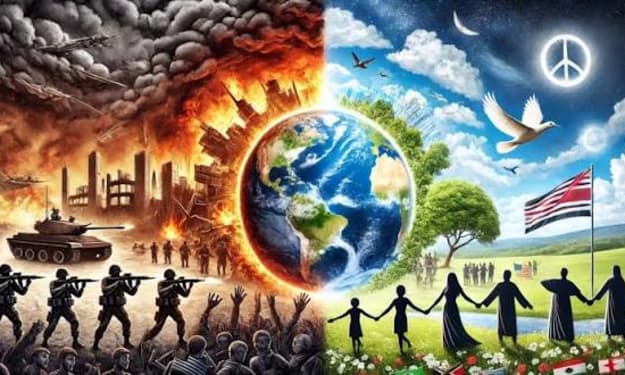
Some experts fear that a third world war could happen if global tensions continue to rise. Conflicts between powerful countries, political rivalries, and advanced military technologies make the world more uncertain. Events like the World War I and World War II showed how regional disputes can grow into global conflicts. Today, issues such as territorial disputes, cyber warfare, and nuclear weapons increase the risks. However, international organizations like the United Nations work to maintain peace and encourage diplomacy between nations. While the possibility of a large war worries many people, leaders around the world still have opportunities to choose cooperation, dialogue, and peaceful solutions instead of conflict.
Conclusion
While global tensions and regional conflicts continue to exist, predicting the arrival of World War III is extremely difficult. The lessons learned from the tragedies of the past, the existence of nuclear deterrence, and the interconnected nature of the modern world all make large-scale war less likely than many people fear. Nevertheless, maintaining peace requires constant effort, diplomacy, and cooperation among nations.
About the Creator
shaoor afridi
“I am a passionate writer dedicated to sharing informative, engaging, and well-researched articles. My goal is to provide valuable content that educates, inspires, and adds real value to readers.”
Keep reading
More stories from shaoor afridi and writers in Earth and other communities.
Wars Across the Globe: A Search for Peace
Today, the world is facing several conflicts at the same time. In different regions, wars are affecting millions of lives. While each conflict has its own history and causes, the human impact is very similar everywhere—loss of life, displacement, fear, and a strong desire for peace.
By shaoor afridi6 days ago in Earth
Biochar: The "Black Gold" Revolutionizing Environmental Remediation
Biochar, a highly porous material produced through the pyrolysis of organic waste, has gained significant attention in recent years due to its potential in various environmental applications. One of the most promising uses of biochar is its ability to remove pollutants from water, soil, and air, making it a valuable tool in sustainable environmental management. In this blog post, we will explore the diverse applications of biochar in pollutant removal and how it is becoming a vital component of eco-friendly technologies.
By Bestonpyrolysis2 days ago in Earth


Comments
There are no comments for this story
Be the first to respond and start the conversation.