
The Day the Rope Broke
A crippled horseman awaits execution in 1865 Texas—until truth, courage, and the arrival of Union soldiers reveal a deeper story of revenge, redemption, and the birth of freedom

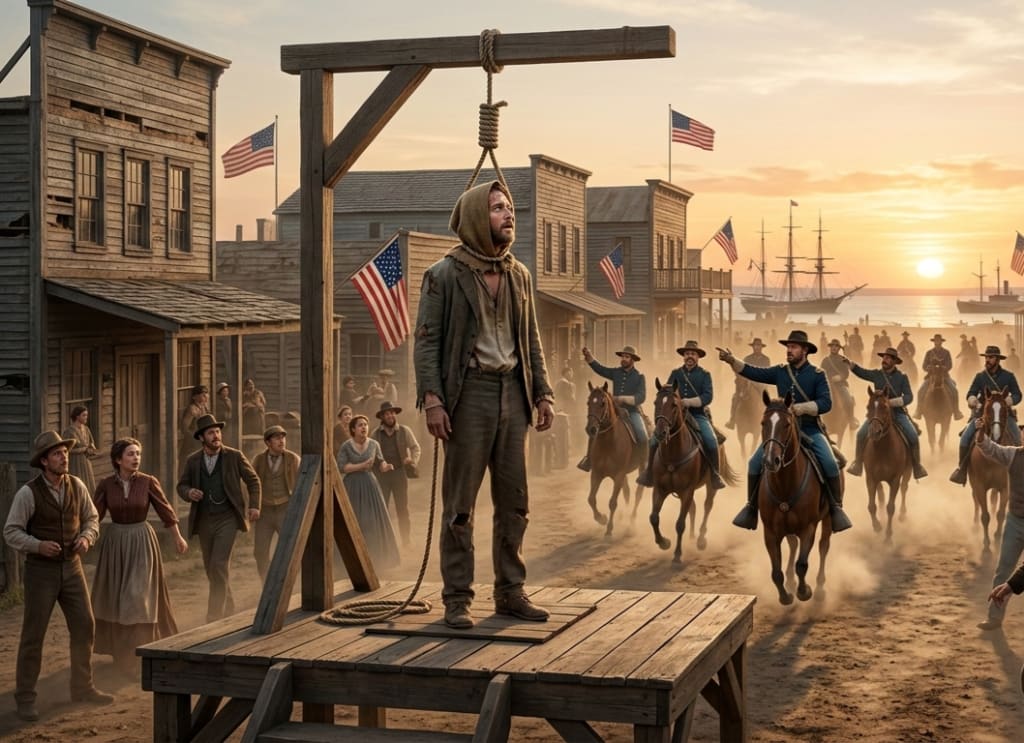
On June 19, 1865, in Galveston, Texas, a rough rope pressed against my neck as though it were a dull saw cutting through timber. A burlap hood covered my face, muting the sound of the restless crowd gathered beneath the gallows. Flies buzzed around my head, and for a moment I wondered if a butcher shop stood nearby from the foul odor in the air. Then I realized the smell came from my own bruised and bloodied body. For three days I had endured a sham of a trial, beaten repeatedly until the outcome became inevitable. I felt no regret. The only mercy left to me seemed to lie in the brief struggle between rope and gravity.
Seven years earlier, life had been far simpler. In the spring of 1858, I lived on my father’s modest horse ranch near Danbury, Texas. Our ranch was not wealthy, but it was respected for the honesty with which my father bred and trained horses. I admired his reputation, yet I dreamed of improving the operation. Instead of simply training and selling young horses for other ranchers, I wanted to build our own breeding program. If we controlled the bloodlines ourselves, we could eliminate the middlemen who so often cheated hardworking ranchers like my father.
That morning began like any other. I finished feeding the hogs and cleaning the stalls just as the Texas sun crept over the horizon. Inside the kitchen, the smell of fresh biscuits replaced the earthy odors of the barn. My mother pulled a tray from the oven while my father poured coffee at the stove.
Before I could speak of my plans for the day, my father informed me that I was needed at the nearby Braddock Plantation to help cut sugarcane. Money was tight, and our mortgage payment loomed. I protested. Mr. Jones had promised me a young colt in exchange for work I had done the previous year, and I hoped to claim it. My father saw horses as quick investments—train them, sell them within months, and keep the ranch afloat. But I dreamed of something larger. I intended to raise the colt, train him, and race him one day in Galveston.
My father doubted such ambitions, yet I refused to abandon the idea. I left for the plantation that morning determined to earn both money and independence.
Braddock Plantation was the largest sugar operation in the region, its grand white columns and manicured lawns standing in stark contrast to the harsh labor required in its fields. By midday my hands were raw from cutting cane, and sweat soaked through my shirt as I struggled to keep pace with the enslaved workers beside me. The plantation foreman’s whip ensured no one slowed.
During a brief rest beneath a moss-covered oak tree, I drifted into a half-sleep dreaming of racing glory. Suddenly I awoke to the flash of a machete swinging through the air. The blade struck the dirt inches from my body. Only then did I notice the severed head of a water moccasin lying nearby.
The man who had killed the snake smiled calmly and introduced himself as Moses. He explained that he worked the plantation fields like the others and that the snake would make a welcome addition to the evening stew. Though our circumstances were different, his simple act of kindness forged a quiet bond between us.
Three years passed. By 1861 I had raised and trained the colt I named Lightning. He had grown into a magnificent roan with a spirit that matched his speed. When the Spring Fair arrived in Galveston that year, Lightning and I entered the Strand Race against horses owned by wealthy plantation families.
Among those watching was Seth Braddock, the arrogant son of the plantation owner. Before the race he approached me with a cold smile and offered to buy Lightning on the spot. When I refused, his tone hardened. To him, someone of my standing had no place competing with men of wealth and influence.
The race began with the thunder of hooves echoing through Galveston’s streets. Lightning ran with power and grace, holding back early before surging ahead in the final stretch. As we crossed the finish line far ahead of the others, the crowd erupted in cheers. Lightning’s victory meant more than glory—it meant the prize money could save our ranch from debt and finally allow us to build the breeding business I had always imagined.
But triumph carries its own dangers.
Three nights later, while returning home beneath the moonlight, three riders blocked my path. Seth Braddock stepped forward, anger burning in his eyes. Without warning he fired a pistol into the air, spooking Lightning. As I fell to the ground, Seth struck me with a heavy club again and again. My leg shattered beneath the blows.
“You will always know your place,” he spat before leaving me unconscious in the road.
When I awoke days later in my parents’ home, the doctor insisted my leg must be amputated to save my life. I refused. Living without a leg would mean becoming a burden to my family. Though the bones eventually healed, I was left crippled and could never ride again.
My father was forced to put Lightning down after discovering the horse’s legs had also been deliberately broken.
When the Civil War erupted later that year, Seth Braddock proudly marched off with a Confederate brigade while I remained behind, struggling to find purpose. Eventually I discovered one in an unexpected way.
Years earlier, the man who saved me from the snake—Moses—appeared one evening near the creek bridge where I often fished. He was fleeing slavery with his wife. With the help of Joseph Stiles, a freedman working for my father, we secretly guided them toward the Underground Railroad routes leading to Mexico.
From that day forward, my lonely position by the bridge became an advantage. No one paid much attention to a crippled man fishing beside the road. I quietly observed the movements of patrols and slave catchers, passing along information that helped many escape north or south to freedom.
Four years passed this way.
Then one afternoon in 1865, Seth Braddock returned from the war—one arm lost in battle but his cruelty unchanged. When he confronted a captured runaway slave at the bridge, his rage brought back memories I had long buried. As he boasted openly about the attack that had crippled me and killed Lightning, something inside me finally snapped.
When he charged toward me again with a club raised, I fired my pistol.
Seth Braddock fell dead in the creek.
For that act I was arrested, beaten, and sentenced to hang.
But on the morning of my execution, thunderous hooves suddenly shattered the crowd’s silence. Union cavalry rode into Galveston under the command of General Gordon Granger, who had arrived to enforce federal authority after the Confederacy’s defeat.
Witnesses stepped forward—my father, Moses, and others who knew the truth. They testified that Seth Braddock had attacked me years earlier and confessed to the crime moments before his death.
The general ordered the rope removed from my neck and declared my arrest unlawful.
That same day—June 19, 1865—the enslaved people of Texas learned they were free.
In the years that followed, I formed a horse breeding company with Joseph and Moses. Together we built one of the largest suppliers of horses to the United States Army.
Yet every year when June nineteenth arrives, I remember more than my own rescue from the gallows. I remember the countless men, women, and children who finally stepped out of generations of bondage into freedom.
My life was spared that day.
But the true victory belonged to them.
About the Creator
LUNA EDITH
Writer, storyteller, and lifelong learner. I share thoughts on life, creativity, and everything in between. Here to connect, inspire, and grow — one story at a time.
Keep reading
More stories from LUNA EDITH and writers in History and other communities.
The Bells That Rang Before the Fire
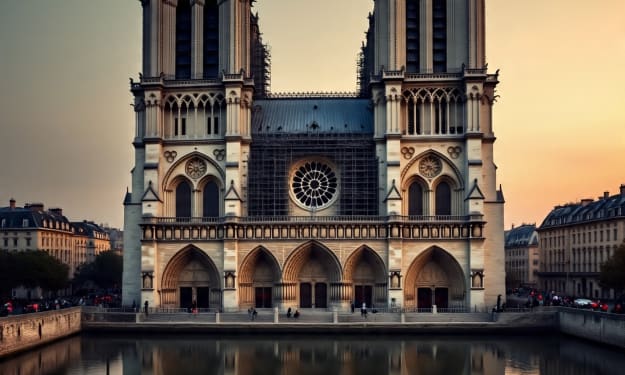
The city slept beneath stone and shadow, unaware that it was already remembered. Before dawn, the bells of Notre-Dame were still. They would not ring for hours. Paris lay hushed along the Seine, its bridges resting like old thoughts between two halves of itself. The cathedral rose at the heart of it all—familiar, immovable, trusted the way only ancient things are.
By LUNA EDITHabout a month ago in History
When 67 Words Changed the Middle East: The Declaration That Sparked the Arab–Israeli Conflict
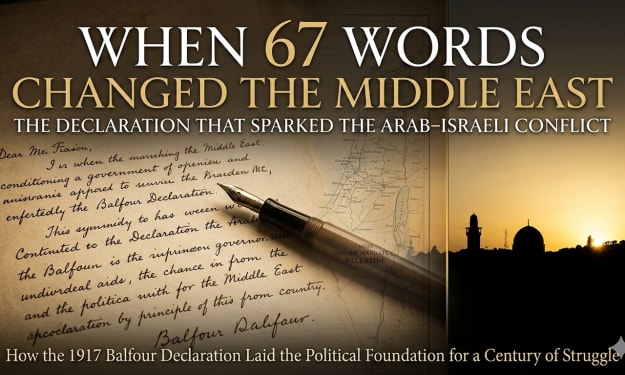
In the long and turbulent history of the Middle East, few political documents have had as profound and lasting an impact as the Balfour Declaration. Written in just 67 words in 1917, this brief letter from British Foreign Secretary Arthur Balfour to Lord Rothschild would go on to shape the destiny of Palestine and lay the foundation for what became the Arab–Israeli conflict. A century later, the consequences of those carefully crafted words continue to influence geopolitics, identity, and regional stability.
By Irshad Abbasi 2 days ago in History


Comments
There are no comments for this story
Be the first to respond and start the conversation.