
IndiGo, Air India Plan 58 Flights on March 4 Amid Airspace Disruptions
IndiGo and Air India schedule 58 flights on March 4 despite Middle East airspace closures, rerouting planes to ensure passenger safety amid escalating regional tensions.

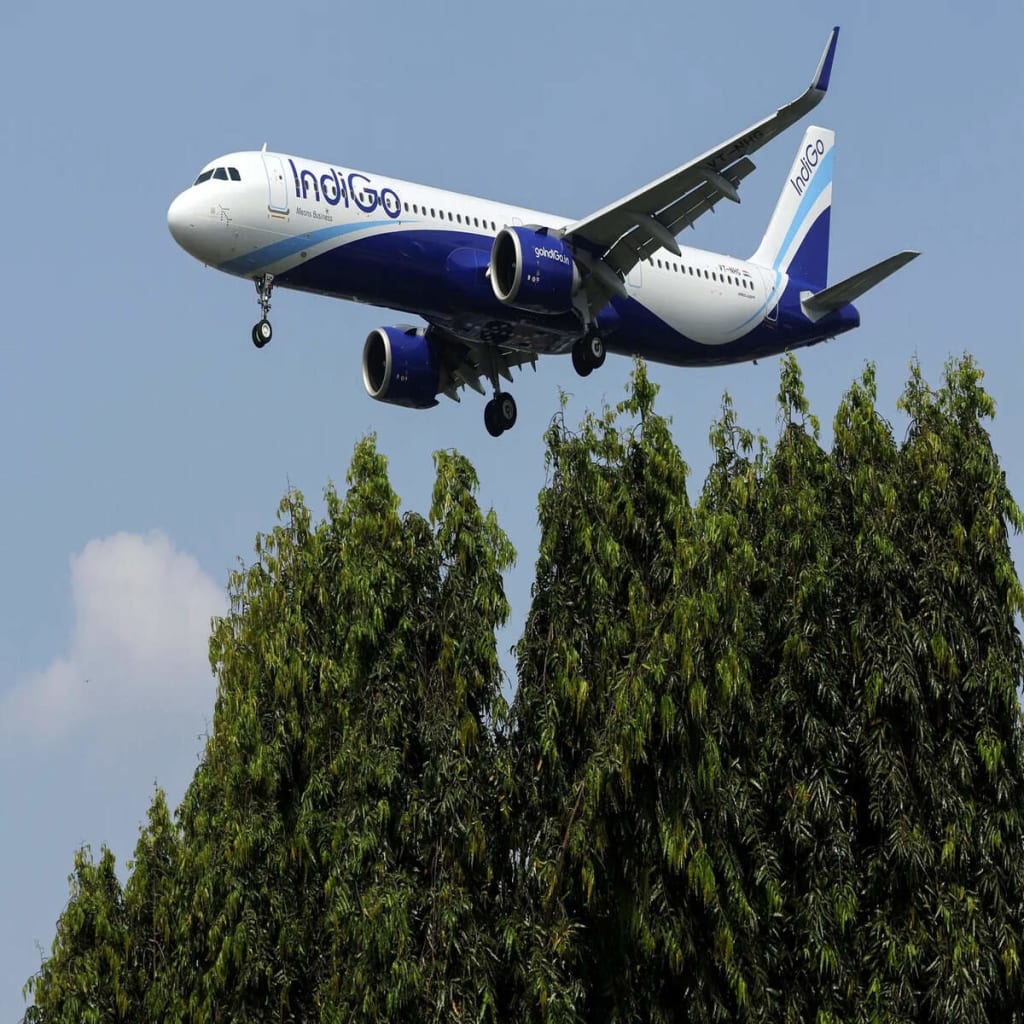
India’s two largest carriers — IndiGo and Air India — scheduled a combined 58 flights on March 4 despite widespread airspace disruptions caused by escalating regional tensions in the Middle East. The move reflects both airlines’ efforts to navigate unprecedented challenges in global aviation while maintaining critical connectivity for passengers and commerce.
The disruption in airspace followed days of geopolitical volatility sparked by military actions in the Gulf region. Several countries, including Iran, Kuwait, and neighboring states, issued Notice to Airmen (NOTAMs) restricting flight paths in and around the Persian Gulf and the airspace above the Arabian Peninsula. These restrictions created a ripple effect that impacted routes connecting Europe, Asia, and the Middle East — a region that normally serves as a major hub for international air travel.
Flight Planning amid Chaos
Despite the uncertainties, IndiGo and Air India confirmed plans to operate dozens of flights via alternate routes and with revised schedules on March 4. According to aviation industry sources, IndiGo planned 38 flights while Air India scheduled 20 departures and arrivals — many of which involved long‑haul sectors to and from Europe, the Middle East, and Southeast Asia. The adjustments required careful rerouting around closed or restricted airspace, resulting in longer flight times and increased fuel consumption.
“We are committed to minimizing disruption for our passengers,” an airline spokesperson told reporters. “Our operations teams have worked around the clock to implement revised flight plans in cooperation with Air Traffic Management (ATM) authorities. Safety remains our highest priority.”
IndiGo and Air India were among several carriers that faced airspace closures throughout early March. Middle Eastern air navigation authorities had temporarily shut down large portions of their flight corridors due to military activity and heightened risk of unmanned aerial systems (UAS) and missile threats. As a result, flights that normally transit the Arabian Gulf corridor were diverted far south or north — via African or Central Asian air routes — in order to maintain safe operations.
Impact on Passengers
For travelers flying on March 4, the disruptions translated into longer flight durations, delayed departures, and revised connections. A number of passengers on IndiGo flights reported being notified of schedule changes up to 48 hours in advance. Many expressed frustration over longer journey times but acknowledged that safety concerns took precedence amid the volatile situation.
“I was supposed to fly from Delhi to London in about 9 hours,” said one passenger who asked not to be named. “With the rerouting, it’s nearly 12 hours. It’s inconvenient, but everyone knows it’s because of what’s happening over there.”
Similarly, a family flying with Air India from Mumbai to Frankfurt said their flight path took them over Central Asia instead of the usual Middle Eastern route. “It’s longer, but we are grateful the airline is doing all it can to keep us safe,” one traveler said.
Costs and Operational Challenges
The operational adjustments come at a financial toll for airlines. Rerouted flights require additional fuel, longer flight crew duty times, and potential overnight stays in remote locations. Fuel alone — often one of the largest costs for airlines — increased significantly due to the longer distances.
In response, some carriers have already begun evaluating cost recovery measures, including applying fuel surcharges to affected international sectors. Airline industry analysts warn that prolonged airspace restrictions could drive up ticket prices if carriers are unable to absorb higher operational costs indefinitely.
Nevertheless, both IndiGo and Air India reaffirmed that customers would not be penalized for disruptions beyond the airlines’ control. “We continue to prioritize passenger welfare,” one airline representative said. “Refunds, rebooking options, and customer support services are being offered proactively to all affected travelers.”
Global Aviation Under Pressure
The March 4 schedule marked one of the busiest days for Indian carriers since the onset of international airspace closures. While some regions remained closed or partially restricted, aviation authorities in Europe, South Asia, and Africa coordinated revised airway structures to ensure continuous safe corridors for airlines willing to operate under revised conditions.
Experts note that the situation underscores the vulnerability of global aviation to geopolitical shocks. The Middle East — a crossroads for East–West aviation — normally facilitates efficient routes connecting South Asia with Europe and beyond. When that corridor is compromised, airlines must scramble to establish alternatives that balance safety, legality, and economic feasibility.
“Efficient routing is the backbone of global airline operations,” said an aviation analyst. “When a key corridor like the Arabian Gulf becomes unavailable, the operational complexity rises dramatically. It’s a testament to airline planning teams that so many flights could still be scheduled on March 4.”
Looking Ahead
While the immediate situation remains fluid, both IndiGo and Air India said they are closely monitoring developments and working with international aviation bodies to assess future schedules. Authorities such as the International Civil Aviation Organization (ICAO) and regional air navigation service providers are coordinating efforts to reopen corridors as soon as it is safe.
For passengers, flexibility and patience remain key. As long as regional airspace remains unpredictable, airlines and travelers alike must brace for adjustments that reflect the realities of an interconnected world in which geopolitics can swiftly reshape the skies.
About the Creator
Fiaz Ahmed
I am Fiaz Ahmed. I am a passionate writer. I love covering trending topics and breaking news. With a sharp eye for what’s happening around the world, and crafts timely and engaging stories that keep readers informed and updated.
Keep reading
More stories from Fiaz Ahmed and writers in Journal and other communities.
Incheon Emerges as Gateway to Southeast Asia for Alaska Airlines
Alaska Airlines is charting a new course for growth in Asia, positioning Incheon as a key hub for travelers heading to Southeast Asia. The move marks a significant strategic expansion for the carrier, which has traditionally focused on North American domestic routes and limited transpacific service. With Incheon International Airport serving as a modern, well-connected gateway, Alaska Airlines aims to tap into growing demand for travel between East Asia and Southeast Asia. Expanding the Network The airline recently announced plans to offer connecting flights through Incheon to destinations across Thailand, Vietnam, Indonesia, and Singapore. This expansion allows passengers from the United States to reach multiple Southeast Asian cities with fewer transfers and shorter layovers. By leveraging Incheon’s state-of-the-art infrastructure, Alaska Airlines can provide seamless connections while benefiting from the airport’s reputation for efficiency and service. “We see Incheon as a natural bridge between the U.S. and Southeast Asia,” said Sarah Reynolds, Alaska Airlines’ Vice President of International Operations. “It’s an airport that offers excellent connectivity, modern facilities, and a strong partnership network. This allows us to enhance the travel experience for our customers while growing our international footprint.” Why Incheon Incheon International Airport consistently ranks among the world’s top airports for service quality and operational efficiency. Its strategic location near Seoul and well-developed transit connections make it an ideal hub for airlines looking to expand regional operations. For Alaska Airlines, Incheon offers several advantages: Connectivity: With dozens of partner airlines and an extensive network, passengers can reach multiple Southeast Asian destinations with minimal hassle. Modern facilities: Incheon’s terminals provide state-of-the-art amenities, lounges, and transit services that improve passenger experience. Strategic partnerships: Alaska Airlines can leverage code-sharing agreements and alliances with Asian carriers to optimize routes and ticketing. By choosing Incheon as a hub, Alaska Airlines can bypass congestion at other major transpacific gateways, such as Tokyo or Hong Kong, and offer more competitive schedules and pricing for travelers. Benefits for Passengers Travelers from the United States will enjoy shorter travel times to destinations such as Bangkok, Ho Chi Minh City, Jakarta, and Singapore. The airline’s introduction of premium cabin services on select routes also aims to attract business travelers who prioritize comfort and convenience. Alaska Airlines plans to offer competitive pricing for economy passengers while providing loyalty program benefits, including mileage accrual and partner perks, for frequent flyers. Furthermore, travelers will benefit from smoother transit procedures at Incheon. The airport is known for efficient immigration and customs processing, extensive lounges, and amenities that cater to long-haul passengers. These features enhance the overall travel experience and make Incheon an attractive choice for connecting flights. Economic and Strategic Impact The move is also expected to strengthen economic ties between the U.S., South Korea, and Southeast Asia. Airlines play a crucial role in facilitating tourism, trade, and business travel, and Alaska Airlines’ expanded presence in Incheon could stimulate demand for goods and services in both regions. Local tourism authorities are optimistic that improved connectivity will attract more American travelers to Southeast Asia while also encouraging regional business exchanges. Industry analysts note that Alaska Airlines’ expansion into Southeast Asia reflects broader trends in aviation, where carriers are increasingly seeking hubs outside traditional gateways to capture emerging markets. Southeast Asia has seen steady growth in air travel demand, driven by rising middle-class populations, tourism growth, and increased business activity. By positioning Incheon as a central hub, Alaska Airlines can capitalize on this trend while differentiating itself from competitors. Challenges and Outlook While the expansion offers significant opportunities, there are also challenges. The airline must navigate complex regulatory environments, coordinate with multiple aviation authorities, and adapt to fluctuating demand influenced by geopolitical developments or public health concerns. Fuel costs, pilot availability, and competitive pressures from established carriers in the region are additional factors that will influence the success of the strategy. Nonetheless, Alaska Airlines appears committed to the long-term potential of this hub-and-spoke model. Executives highlight that strategic partnerships, strong operational planning, and a focus on customer experience are key to overcoming potential obstacles. Conclusion Incheon International Airport is emerging as a pivotal gateway for Alaska Airlines’ expansion into Southeast Asia. With enhanced connectivity, modern facilities, and strategic partnerships, the airline is poised to provide efficient, convenient travel options for U.S. passengers seeking to explore the region. As tourism and business travel continue to grow in Southeast Asia, Alaska Airlines’ investment in Incheon positions the carrier to capture market share and strengthen its international presence, signaling a new chapter in the airline’s transpacific strategy. Passengers, industry analysts, and regional stakeholders alike will be watching closely as Alaska Airlines navigates this ambitious expansion, demonstrating how a carefully chosen hub can transform an airline’s reach and influence in a competitive global market.
By Fiaz Ahmed 18 days ago in Journal
📢 Raise Your Voice Thread: 03/05/2026
Our “Raise Your Voice Threads” are hosted most alternating Thursdays at 12PM ET to offer creators more avenues to uncover exceptional stories on Vocal. As we are continuously searching for fresh creators and inspiring stories, this thread provides an opportunity to exchange and discuss the stories that have moved and motivated us on Vocal.
By Raise Your Voice by Vocalabout 18 hours ago in Resources




Comments
There are no comments for this story
Be the first to respond and start the conversation.