Latest Stories
Most recently published stories in Journal.
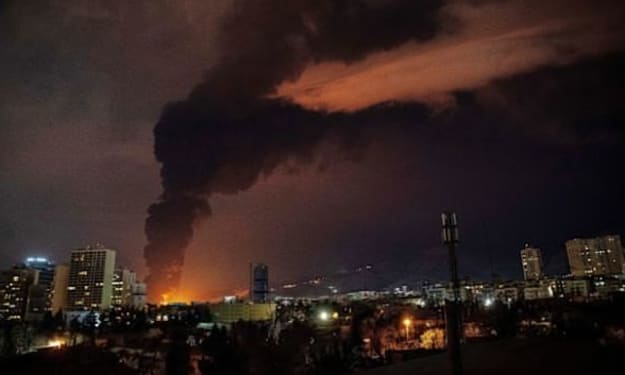
How high could oil prices go – and what might the global economic fallout be?. AI-Generated.
Oil prices have surged to levels not seen in over a decade, driven by geopolitical tensions, supply disruptions, and recovering demand following the pandemic. Analysts warn that continued increases could have severe consequences for global economic stability, affecting everything from consumer prices to corporate earnings and international trade. Understanding the potential trajectory of oil prices and the associated economic fallout is crucial for policymakers, businesses, and consumers alike. Geopolitical Drivers of Rising Oil Prices One of the primary factors behind the recent price spikes is ongoing conflict and political instability in key oil-producing regions. The Middle East has seen heightened tensions, including attacks on shipping routes, missile strikes, and regional military posturing, all of which threaten supply reliability. Countries such as Iran, Iraq, and Saudi Arabia remain central to global oil production, and any disruption in their output can have immediate ripple effects on prices. In addition, sanctions and trade restrictions imposed on major producers have further tightened supply. For example, sanctions targeting Iranian and Russian oil exports have reduced the global market’s flexibility, leaving consumers more vulnerable to price shocks. These geopolitical uncertainties are compounded by the fact that alternative suppliers are struggling to meet rising global demand, particularly as economies in Asia, Europe, and North America recover from pandemic-related slowdowns. Supply and Demand Dynamics The basic laws of supply and demand play a central role in determining oil prices. Global demand for oil has rebounded sharply as industries restart operations and consumers resume travel. Airlines, shipping, and manufacturing sectors are driving a surge in energy consumption, putting additional pressure on already constrained supplies. On the supply side, oil-producing countries have struggled to increase output sufficiently to meet demand. OPEC+ nations have implemented production caps, while infrastructure and investment constraints in other regions limit the ability to scale production quickly. Analysts estimate that even small disruptions in supply can cause significant price volatility, as markets remain finely balanced between shortage and oversupply. Economic Fallout Rising oil prices have far-reaching consequences for the global economy. One of the most immediate effects is inflation. Higher energy costs increase transportation, production, and consumer goods prices, placing upward pressure on overall consumer price indices. Central banks may respond with tighter monetary policy, raising interest rates to curb inflation, which in turn could slow economic growth. Higher energy prices also strain household budgets. Consumers spend more on gasoline, heating, and electricity, leaving less disposable income for other goods and services. This can dampen consumer demand, which is a critical driver of economic growth in many countries. In emerging markets, where energy costs already constitute a larger share of household expenditures, the impact is even more pronounced. For businesses, particularly those in energy-intensive industries such as manufacturing, logistics, and aviation, higher oil prices increase operational costs. Companies may pass these costs onto consumers, potentially reducing demand for their products, or absorb the costs, reducing profitability. Multinational corporations that operate across regions with varying fuel costs face additional financial complexity and risk exposure. Trade and Global Stability Surging oil prices also affect international trade balances. Oil-importing nations face higher import bills, which can worsen trade deficits and place downward pressure on national currencies. Conversely, oil-exporting countries may experience windfalls, boosting government revenues but potentially creating inflationary pressures domestically if not managed carefully. The interconnectedness of the global economy means that volatility in energy markets can create cascading effects. For example, rising oil costs may increase the price of shipping and logistics globally, raising costs for consumer goods, agricultural exports, and industrial inputs. Inflationary pressure may prompt governments to adjust fiscal policies, while central banks react with monetary tightening, creating a delicate balance between curbing inflation and sustaining growth. How High Could Prices Go? Predicting the ceiling for oil prices is inherently challenging due to the volatility of geopolitical events, market speculation, and demand fluctuations. Some analysts warn that prices could reach historically high levels if supply disruptions intensify or if major conflicts escalate. Others argue that market adjustments, such as increased production from non-OPEC countries, renewable energy adoption, and strategic petroleum reserves releases, may temper extreme price surges. Historical precedent suggests that prices above $150 per barrel, as seen in previous crises, can trigger severe economic consequences globally. At those levels, inflation accelerates, interest rates rise sharply, and global growth slows. Economists caution that prolonged periods of high energy prices could even lead to stagflation—a combination of stagnant growth and high inflation. Looking Ahead The trajectory of oil prices will depend on multiple factors: geopolitical stability, production decisions by major oil-exporting nations, technological advancements in energy alternatives, and global demand trends. Policymakers and investors are closely monitoring these variables to prepare for potential economic fallout. Consumers, businesses, and governments alike face the challenge of adapting to an environment of rising energy costs. Strategic reserves, energy efficiency measures, and diversification of supply sources may mitigate some of the impact, but sustained high prices are likely to reshape consumption patterns, trade flows, and investment decisions globally. In conclusion, while the exact ceiling for oil prices is uncertain, the economic consequences of sustained increases are clear: higher inflation, constrained growth, and significant adjustments for households, businesses, and governments worldwide. As the world navigates this volatile period, monitoring oil market developments and preparing for potential fallout remains a priority for all stakeholders.
By Fiaz Ahmed 2 days ago in Journal
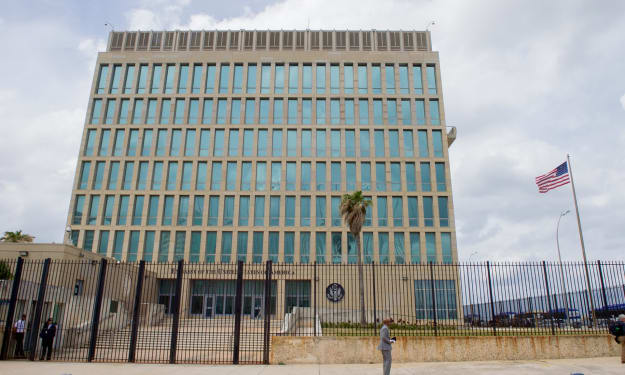
Havana Syndrome Unmasked: The Black Market Russian Microwave Weapon Captured In a DHS Sting
For nearly a decade, American diplomats, intelligence officers, and military personnel have reported a terrifying experience: an invisible attack that leaves them with debilitating brain injuries, chronic pain, and life-altering neurological damage.
By James Marinero2 days ago in Journal
Strategic Buyers In Behavioral Healthcare
Introduction The behavioral healthcare sector has experienced significant growth over the past decade, attracting strong interest from strategic buyers. Strategic buyers are organizations already operating within healthcare or related industries that acquire behavioral health companies to expand services, strengthen market presence, or improve care integration. These buyers usually focus on long-term operational benefits rather than short-term financial gains. As demand for mental health and addiction treatment services continues to rise, strategic buyers are increasingly involved in acquisitions and partnerships across the behavioral healthcare market.
By Abdul Mueed2 days ago in Journal
Managing Staff In Treatment Programs
Introduction Effective staff management is essential for the success of treatment programs. Healthcare and recovery facilities rely on skilled professionals who work together to provide consistent care and support for patients. Proper management ensures that staff members understand their responsibilities, follow organizational policies, and maintain high standards of care. Strong leadership, clear communication, and ongoing training help create a productive work environment where employees can perform their roles effectively. By implementing structured management practices, treatment programs can improve staff performance, enhance patient outcomes, and maintain operational stability.
By Abdul Mueed2 days ago in Journal
How to Use a Tortellinatrice to Make Perfect Tortellini
Making tortellini by hand can be slow and difficult. Many cooks struggle with folding, filling, and sealing each piece perfectly. The result is often uneven shapes, broken pasta, or filling that leaks during cooking. The good news is that a tortellinatrice solves these problems by automating the process of shaping and sealing tortellini while keeping the traditional taste intact. With the right preparation and proper machine settings, anyone can use a tortellinatrice to produce perfectly shaped tortellini quickly and consistently.
By Zain Prince2 days ago in Journal
23:00 at Snap Lake: Diamond Hunters and the Aurora Borealis
The Arctic does not offer its treasures easily. To find a diamond in the Northwest Territories is not a matter of luck; it is a matter of endurance, of staring through a microscope until your eyes burn, and of surviving a landscape that wants to push you out. As the clock on my wrist neared 23:00, I sat by the log fire and realized that I was no longer an outsider. I had become a silent witness to the earth’s most guarded secrets.
By Magma Star2 days ago in Journal
Rebuilding a Skincare Routine From Scratch: What a 30-Day Reset Can Teach You
Skincare routines can become surprisingly complicated over time. What often starts with a cleanser and moisturizer can quickly turn into a crowded shelf of serums, treatments, masks, exfoliants, and creams that promise to solve every possible skin concern.
By Shahid Sipra2 days ago in Journal