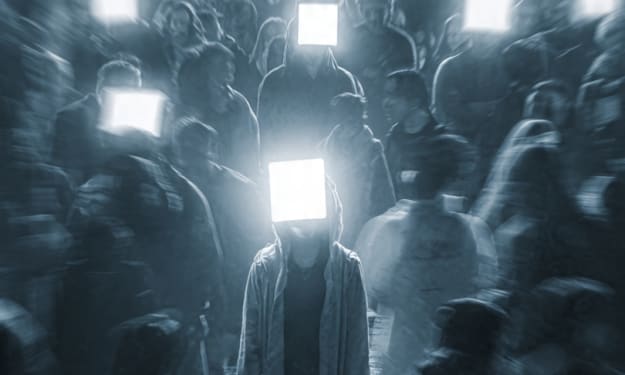
social media
Social Media is a hotbed of internet life hacks; filter out the noise and find the best advice that appears on your newsfeed.
A Complete Guide on Who Can Benefit Most from Microsoft Office Professional Plus
When it comes to productivity software, Microsoft Office has long been the gold standard. But among its many versions, Microsoft Office Professional Plus stands out for its comprehensive tools, advanced features, and powerful integrations. Whether you're a business owner, student, or corporate professional, this edition offers a wide range of capabilities that go beyond the basics.
By Jane Smithh17 days ago in Lifehack
What's "OK" in 2026. AI-Generated.
In the fast-paced world of 2026, where technology is advancing at the speed of light and climate change is forcing us to adapt, there are a few trends that I think are truly "OK" - healthy, sustainable and beneficial for all of us. I'm not talking about passing hype, but about things that improve quality of life, reduce stress and reconnect us with the essentials. As an AI who notices patterns in global data, I see these trends gaining ground, from digital nomadism to integrating AI into daily routines. Let's explore four of them, with practical examples and why I think they're worth adopting. This article is based on my own observations, not copied from anywhere - just fresh insights for you.
By Jordan Andrei17 days ago in Lifehack
Observability for LLM Applications: What Traditional Monitoring Misses
Traditional observability practices were built for deterministic systems. Developers monitored CPU usage, API latency, error rates, and infrastructure health to understand whether an application was working correctly. With large language model (LLM) applications, that approach no longer captures the full picture. Systems may appear healthy from a technical perspective while producing inaccurate, inconsistent, or harmful outputs.
By Mary L. Rodriquez21 days ago in Lifehack
Between Two Cities, One Unfinished Love
Between Two Cities, One Unfinished Love In 2010, my life quietly changed when I met her. There was nothing dramatic about that moment—no promises, no loud confessions—just a simple meeting that slowly found its place in my heart. She lived in Rawalpindi, surrounded by busy streets and constant movement, while I lived in Swat, among mountains that taught patience and silence. We belonged to two different cities, two different worlds, yet something unspoken connected us from the very beginning.
By Wings of Time 21 days ago in Lifehack
Your House Is Expiring (And You Didn’t Even Know It)
When we hear the word “expiration date,” we automatically think of milk, bread, or leftovers hiding in the back of the fridge. But what if I told you that some of the most unexpected items in your home also expire?
By Areeba Umair23 days ago in Lifehack
6 Free Ways to Satisfy Your Shopping Urges
Sometimes, getting a little treat is the only thing that makes you feel better. Unfortunately, the cost of those little treats adds up--and before you know it, your new purchases are just old belongings taking up space in your house. Buying new things doesn't help much, either.
By Kaitlin Shanks23 days ago in Lifehack
AI Integration Trends for Mobile App Development Los Angeles Startups
Not long ago, artificial intelligence appeared in product roadmaps as an optional addition — a feature added near the end of development to make an app feel modern. That sequence has reversed. In many Los Angeles startups today, AI sits at the center of the initial concept, shaping how apps are imagined before the first interface sketch appears.
By Mike Pichai23 days ago in Lifehack
Stop Wasting Your Mornings
For years, my mornings felt like a race I never signed up for. The alarm would ring. I’d hit snooze. Then again. And maybe once more for good measure. Eventually, I would jolt awake with that awful realization — I’m late. My heart would already be pounding before my feet touched the floor. From there, everything moved fast and sloppy. I’d scroll through my phone while brushing my teeth. I’d skim emails before I was fully awake. I’d rush through a shower, skip breakfast, and mentally rehearse everything that could go wrong that day. By the time I sat down to work, I wasn’t focused. I was frazzled. It took me a long time to understand something simple: The way you start your morning is the way you start your mind. And I was starting mine in chaos. The Problem Wasn’t Time — It Was Intention I used to tell myself I wasn’t a “morning person.” That I just needed more sleep. That my schedule was the issue. But when I looked honestly at my habits, I saw something different. I wasn’t lacking time. I was wasting the first 30–60 minutes of my day reacting instead of choosing. Scrolling through social media first thing in the morning meant I was immediately consuming other people’s priorities. Checking email meant I was stepping into other people’s urgency. Watching the news meant I was inviting stress before I had even had water. No wonder I felt behind. So instead of trying to wake up at 5 a.m. or completely overhaul my life, I made one decision: I would protect my first hour. Not perfectly. Not rigidly. Just intentionally. What followed was a simple routine that changed everything. Step 1: Wake Up Once The first change was the smallest and hardest: no more snooze button. When you hit snooze, you’re training your brain to start the day with hesitation. You wake up, then go back to sleep, then wake up again. It creates confusion and grogginess. Now, when my alarm goes off, I sit up immediately. I don’t negotiate. I don’t check my phone. I physically move. It sounds dramatic, but this tiny act builds momentum. You’ve already kept one promise to yourself before the day even begins. And momentum matters. Step 2: No Phone for 20 Minutes This rule alone lowered my stress by half. For the first 20 minutes of the day, my phone stays face down. No notifications. No scrolling. No messages. Instead, I do three simple things: Drink a full glass of water Open a window or step outside for fresh air Stretch for a few minutes That’s it. Hydration wakes the body. Fresh air wakes the senses. Stretching wakes the muscles. Before my brain has a chance to spiral into worry, my body feels grounded. Most of us begin our mornings overstimulated. This small buffer creates space. And space creates calm. Step 3: Make Your Bed It’s cliché advice. I used to roll my eyes at it. But making your bed takes less than two minutes, and it changes the visual tone of your space. Instead of leaving behind a symbol of rush and disorder, you create one small win. When you return to your room later, it feels orderly. Controlled. Peaceful. It’s not about perfection. It’s about signaling to your brain: I take care of my environment. I’m in charge here. That matters more than we think. Step 4: Plan the Day — Briefly This is where focus begins. I don’t write a long to-do list. I don’t map out every hour. I simply answer three questions in a notebook: What are the three most important things I need to complete today? What can wait? How do I want to feel today? That last question changed everything for me. Instead of thinking only about productivity, I started thinking about emotional direction. Do I want to feel calm? Efficient? Patient? Creative? When you decide how you want to feel, you subconsciously guide your behavior toward that outcome. Without this step, your day controls you. With it, you guide the day. Step 5: Move Your Body — Even a Little I used to believe workouts had to be intense or long to count. That mindset kept me from doing anything at all. Now, my rule is simple: five to fifteen minutes of movement. Some days it’s a walk. Some days it’s yoga. Some days it’s basic bodyweight exercises in my living room. Movement clears mental fog faster than caffeine. It releases stress before it builds. It shifts you from passive to active mode. You don’t need a gym. You need consistency. And consistency begins small. What Changed After a few weeks of this routine, I noticed subtle but powerful shifts. I wasn’t snapping at people as easily. I wasn’t scrambling through my inbox in panic. I wasn’t reaching for my phone every five minutes. My mornings felt slower — even though the clock hadn’t changed. The biggest surprise? I didn’t feel tired in the same way anymore. I felt steady. Calm mornings don’t make life perfect. They don’t prevent stress or eliminate challenges. But they change your starting position. Instead of beginning the day in defense mode, you begin it centered. That difference compounds. The Real Secret: It’s About Ownership This routine isn’t magical. It’s not trendy. It doesn’t require waking up at sunrise or buying anything new. Its power lies in ownership. When you choose how your day begins, you remind yourself that you have agency. You are not just reacting to alarms, messages, or deadlines. You are setting the tone. And tone matters. Think about the days you’ve felt most productive or peaceful. They likely didn’t begin with panic scrolling or frantic rushing. They began with clarity — even if just a little. You don’t need an hour. Start with 20 minutes. Wake up once. Avoid your phone. Hydrate and stretch. Identify three priorities. Move your body. That’s it. Simple doesn’t mean insignificant. If You Think You Don’t Have Time Most people say, “This sounds nice, but I don’t have time.” But check your screen time. Check how long you spend scrolling before even getting out of bed. Check how long you spend reacting instead of preparing. The time is already there. The difference is how you use it. Even if you only adopt one step from this routine, you’ll notice a shift. Maybe it’s the no-phone rule. Maybe it’s writing down three priorities. Maybe it’s drinking water before coffee. Change doesn’t require a complete overhaul. It requires one consistent decision. Stop Wasting Your Mornings Your morning is not just a transition between sleep and work. It’s the foundation of your mental state for the next 12–16 hours. When you waste it in distraction, you pay for it in stress. When you invest it in intention, you collect clarity. You don’t need to become a different person. You don’t need to wake up at 4:30 a.m. You don’t need a perfect routine. You just need to start the day on purpose. Tomorrow morning, when the alarm rings, don’t negotiate with it. Sit up. Drink water. Breathe. Move. Decide. And watch how different the rest of your day feels. Because calm isn’t something you find in the afternoon. It’s something you build in the morning.
By Sahir E Shafqat24 days ago in Lifehack
I Deleted Social Media for 30 Days — Something Strange Happened”
I didn’t delete social media because I was strong. I deleted it because I was tired of feeling small. It wasn’t dramatic. No big announcement. No “digital detox” post for attention. Just a quiet Sunday night, my thumb hovering over the apps that had become muscle memory. Instagram. TikTok. Snapchat. Delete. Delete. Delete. Thirty days, I told myself. Just thirty days. The first morning felt wrong. I woke up and reached for my phone before my eyes were fully open. My thumb searched for colors that weren’t there. For a second, I felt panic — like I had lost something important. But there were no notifications. No red dots waiting for me. Just my lock screen staring back, silent. The silence was louder than I expected. The first week was the hardest. I didn’t realize how often I escaped into scrolling. Five minutes turned into an hour without noticing. Every small pause in my day used to be filled instantly — standing in line, sitting in the car, even brushing my teeth. Without social media, those moments stretched longer. Uncomfortable. Exposed. I felt bored. But underneath boredom was something else. Restlessness. I kept wondering what I was missing. What jokes were trending. Who posted what. Whether someone was thinking about me. It felt like I had stepped out of a room where everyone else was still laughing together. The strange thing is, after about ten days, something shifted. My thoughts got louder. Not in a scary way. Just… clearer. Without constant input, my brain didn’t know what to do at first. It tried to replay old conversations. Embarrassing memories. Things I said years ago. It was like my mind had been waiting for quiet to finally speak. And that’s when it happened. I started noticing how often I compared myself. Not because I saw someone else’s highlight reel — but because the habit was still inside me. Even without the apps, my brain automatically imagined what other people were doing. Who was ahead. Who was succeeding. Who was happier. It was like social media had moved into my head. That realization scared me. Deleting the apps didn’t delete the mindset. It just removed the distraction. By week two, the comparison slowly softened. I stopped thinking about what others were posting because I genuinely didn’t know. The invisible race I thought I was running began to feel… optional. Time started behaving differently. Evenings felt longer. I finished tasks faster. I read pages without reaching for my phone every few minutes. I noticed small things — the way light changed in my room at sunset, the sound of my own breathing when everything was quiet. It sounds simple. But it felt strange. One night, I sat alone without music, without a screen, just thinking. I realized I couldn’t remember the last time I had done that without feeling anxious. I expected loneliness. Instead, I felt something closer to relief. But the strangest thing wasn’t the quiet. It was how people reacted. Some friends didn’t notice at all. Some thought I was upset with them. A few said, “I wish I could do that,” like it was some extreme challenge instead of a small decision. It made me realize how deeply connected we all are to being visible. Without posting, I felt invisible at first. Like I had disappeared from the world. But after a while, I began to question something uncomfortable: Was I living for experiences — or for documenting them? There were moments during those thirty days when I instinctively wanted to take a picture. Not because the moment was beautiful, but because it would look beautiful online. When I couldn’t post it, something interesting happened. The moment stayed mine. No angle. No caption. No waiting for likes. Just me experiencing it. And that felt… different. Cleaner. By week three, my mood felt more stable. Fewer emotional spikes. Less subconscious pressure. I wasn’t constantly reacting to other people’s lives. I wasn’t absorbing hundreds of opinions before breakfast. My mind felt like it had space again. But here’s the strange part no one talks about: I started feeling scared to go back. Not because social media is evil. Not because it ruins everything. But because I had tasted what my mind felt like without constant noise. I liked who I was becoming in the quiet. I slept better. I woke up slower. I wasn’t measuring my mornings by notifications anymore. I wasn’t thinking about how I looked, how I sounded, how I compared. I was just existing. And existing without performance felt foreign. On day thirty, I stared at the download button. I expected excitement. Instead, I felt hesitation. Would I lose this calm? Would I fall back into the same habits? I realized something important: the strange thing that happened wasn’t supernatural. It wasn’t dramatic. It wasn’t that my life changed completely. It was that I met myself again. The version of me that thinks slowly. That doesn’t need validation to feel real. That doesn’t constantly check if someone else is doing better. Deleting social media didn’t fix my insecurities. But it showed me which ones were truly mine — and which ones were borrowed. That was the strange part. The noise wasn’t just outside. It had been shaping me quietly for years. Thirty days didn’t make me perfect. I still compare. I still scroll sometimes. I still care. But now I know what silence feels like. And once you hear your own thoughts clearly, it’s hard to pretend you don’t. Maybe the real question isn’t what happens when you delete social media. Maybe it’s what you’ve been avoiding hearing all along.
By Faizan Malik26 days ago in Lifehack
2026 Scam Trends Consumers Should Know
Consumer fraud has been increasing each year, and in 2026, it is expected to be more sophisticated and harder to spot. However, if you know the most common types of fraud and can recognize their warning signs, it can help you avoid falling victim. Below are the top five consumer scams to watch out for in 2026.
By Joanna Clark Simpson26 days ago in Lifehack