
Sweden Investigates Cargo Ship Allegedly Transporting Stolen Grain with Russian Crew
European authorities examine suspicious shipment amid growing concerns over grain taken from occupied Ukrainian territories.

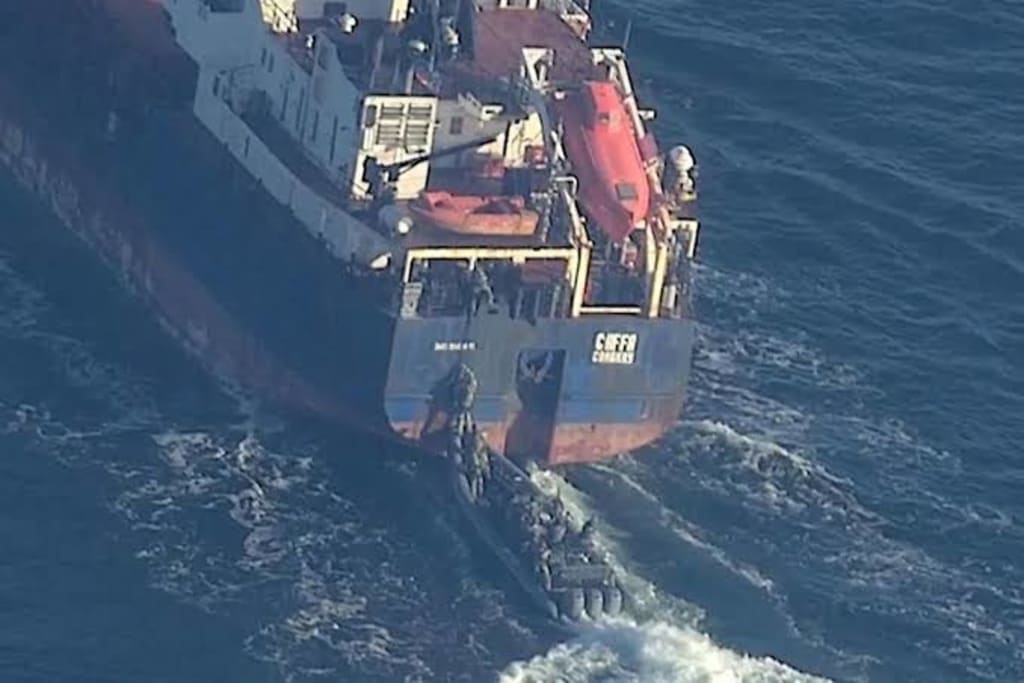
Authorities probe suspected illegal shipment linked to grain seized in occupied Ukrainian territories.
Swedish authorities have launched an investigation into a cargo vessel suspected of transporting stolen grain believed to have originated from Ukraine’s occupied territories. The probe follows concerns raised by Ukrainian officials and international observers that the shipment may be part of a broader network trafficking agricultural goods taken from farms and storage facilities during the ongoing conflict.
According to officials in Sweden, maritime authorities began examining the vessel after it entered waters under Swedish jurisdiction. The cargo ship, reportedly operated by a crew largely composed of Russian nationals, had drawn attention due to irregular documentation and suspicions regarding the origin of its grain cargo.
The case has emerged against the backdrop of longstanding accusations by Ukraine that grain harvested from its occupied regions has been transported through international shipping routes and sold on global markets. Since the beginning of the war with Russia in 2022, Kyiv has repeatedly claimed that agricultural commodities taken from Ukrainian territory are being exported abroad through complex logistical channels.
Suspicion Over Cargo Origins
The vessel under investigation reportedly arrived at a port in southern Sweden earlier this week. Authorities said that customs officials and maritime inspectors became suspicious when reviewing shipping records and cargo manifests, which appeared incomplete or inconsistent.
While officials have not publicly disclosed the ship’s name pending the ongoing investigation, reports suggest that the grain cargo may have originated from areas of eastern or southern Ukraine currently under Russian control. Ukrainian officials argue that such shipments represent the systematic removal of resources from territories seized during the conflict.
Representatives of Sweden’s customs and coast guard agencies have confirmed that samples of the grain cargo are being examined. Experts are attempting to determine the grain’s geographic origin using agricultural and trade data, a process that may help establish whether the shipment matches harvest patterns from Ukrainian regions.
Diplomatic and Legal Implications
The investigation highlights the increasingly complex legal issues surrounding wartime trade and maritime commerce. If the grain is proven to have been taken from occupied territories without the consent of Ukrainian authorities, it could potentially constitute the transport of stolen goods under international law.
Officials from European Union institutions have also been monitoring such cases closely. The EU has imposed extensive sanctions on Russia since the invasion of Ukraine, targeting sectors ranging from energy to shipping and agriculture. Any confirmed involvement in transporting looted commodities could lead to further legal or financial penalties.
For Sweden, which joined NATO in 2024, the investigation underscores the broader geopolitical tensions surrounding the war in Ukraine and the enforcement of international sanctions. Swedish authorities have emphasised that their investigation is being conducted in accordance with national law and international maritime regulations.
Ukraine’s Claims of Grain Theft
Ukrainian officials have long alleged that millions of tonnes of grain have been removed from occupied areas since the start of the conflict. The country, one of the world’s largest grain exporters, relies heavily on agricultural exports to support its economy and global food supply chains.
Kyiv has argued that the alleged seizure of grain not only damages Ukraine’s economy but also distorts international markets by introducing agricultural products whose origins may be concealed. Ukrainian diplomats have repeatedly urged governments and shipping authorities to investigate suspicious cargo shipments arriving in international ports.
In several previous cases, ships suspected of carrying Ukrainian grain were reportedly turned away from ports or subjected to inspection after documentation discrepancies were discovered.
The Investigation Continues
Swedish authorities have stressed that the inquiry remains in its early stages and that no formal charges have yet been filed against the ship’s crew or operators. Investigators are reviewing shipping logs, satellite tracking data, and customs paperwork to reconstruct the vessel’s journey.
Maritime experts say such investigations can take weeks or months, particularly when cargo may have been transferred between ports or mixed with grain from other sources during transit.
For now, the cargo ship remains under scrutiny while authorities determine whether the shipment violated international trade regulations or sanctions regimes.
The outcome of Sweden’s investigation could set an important precedent for how European ports handle suspected shipments of goods taken from conflict zones. As the war continues, scrutiny over global trade routes and cargo origins is expected to intensify, with governments seeking to ensure that international markets are not used to profit from resources seized during wartime.
About the Creator
Fiaz Ahmed
I am Fiaz Ahmed. I am a passionate writer. I love covering trending topics and breaking news. With a sharp eye for what’s happening around the world, and crafts timely and engaging stories that keep readers informed and updated.
Keep reading
More stories from Fiaz Ahmed and writers in The Swamp and other communities.
HMS Prince of Wales Placed on Five Days’ Notice to Sail in Response to Middle East Crisis
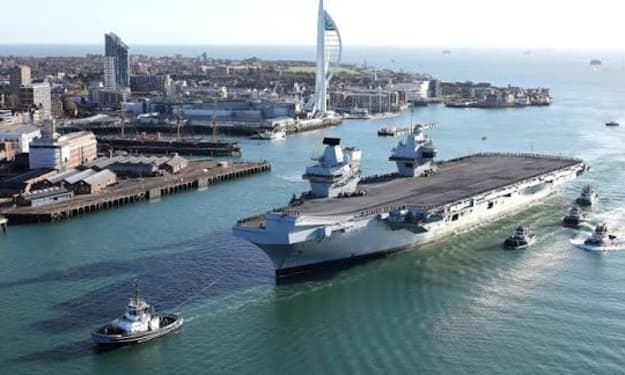
UK’s flagship carrier prepared for rapid deployment as regional tensions escalate. The United Kingdom has placed its flagship aircraft carrier, HMS Prince of Wales, on five days’ notice to sail, signalling a heightened state of readiness amid escalating tensions in the Middle East. The move reflects growing concern among Western governments that the volatile security situation in the region could require rapid military or humanitarian intervention. Officials from the Royal Navy confirmed that the carrier strike group has been ordered to prepare for potential deployment, although no final decision has been made on whether the vessel will actually be dispatched. The order means the ship and its crew must be ready to leave port within five days if instructed by the government. Strategic Readiness The aircraft carrier, one of the largest warships ever built for the UK, serves as a central pillar of Britain’s modern naval power. At more than 280 metres in length and capable of carrying dozens of aircraft, the vessel acts as a floating airbase capable of projecting military force far from British shores. The five-day readiness order allows commanders to respond quickly if the security situation deteriorates further in the Middle East. British defence planners have been monitoring the region closely as hostilities and military exchanges risk widening into a broader conflict. According to defence officials, placing a carrier on short notice is not uncommon during periods of geopolitical tension. However, the current step highlights the seriousness with which the UK government views the unfolding situation. Role of the Carrier Strike Group If deployed, Prince of Wales would likely operate as the centrepiece of a carrier strike group, a formation that typically includes escorting destroyers, frigates, submarines, and supply vessels. These ships provide protection, logistics, and additional firepower to support the carrier’s operations. The vessel is designed to operate advanced fighter aircraft such as the F‑35B Lightning II, which can conduct air defence, intelligence missions, and precision strikes. These aircraft are capable of short take-off and vertical landing, allowing them to operate from the carrier’s flight deck without the need for traditional catapult launch systems. The strike group also integrates helicopters for anti-submarine warfare, maritime patrol, and search-and-rescue missions. Government Response to Regional Tensions The UK government has emphasised that the readiness order is part of broader contingency planning rather than a confirmation of imminent military involvement. Officials from the UK Ministry of Defence stated that maintaining flexible naval capability is essential when international crises develop rapidly. The Middle East remains one of the world’s most strategically sensitive regions, with vital shipping routes, energy infrastructure, and military alliances all at stake. Any escalation could have global consequences, including disruptions to maritime trade and energy supplies. British defence analysts say aircraft carriers are particularly valuable in such circumstances because they can provide a mobile military presence without relying on land bases in the region. Signal to Allies and Adversaries Deploying—or even preparing to deploy—a carrier strike group sends a powerful strategic signal. It demonstrates the UK’s ability to project power and support allies during times of instability. Experts note that readiness measures like the current order also serve a deterrent purpose. By positioning naval forces to respond quickly, governments can signal that they are prepared to protect national interests and international security commitments. The United Kingdom, as a member of NATO, frequently coordinates such deployments with allied nations. Carrier groups may operate alongside American, European, or regional naval forces during joint operations or crisis response missions. Crew Preparedness and Operational Readiness For the ship’s crew, the five-day notice means intensified preparation. Personnel must ensure all systems—from aircraft maintenance facilities to radar and communication networks—are fully operational. Logistical teams also begin loading supplies, ammunition, and spare parts required for extended deployments at sea. Large warships like Prince of Wales can operate for months at a time, but readiness for such missions requires meticulous planning. The vessel has undergone extensive training exercises in recent years to ensure it can respond effectively to a wide range of missions, from combat operations to humanitarian assistance and disaster relief. A Flexible Tool of Modern Naval Power Whether the carrier ultimately deploys will depend on how events unfold in the Middle East. For now, defence officials emphasise that the readiness order is precautionary. Nevertheless, the decision highlights the importance of aircraft carriers as flexible instruments of modern military strategy. In an era of rapidly evolving geopolitical crises, the ability to mobilise a powerful naval force at short notice remains a key component of Britain’s defence posture. As tensions continue to unfold, the presence—or potential presence—of Prince of Wales could play a significant role in shaping the international response to the crisis.
By Fiaz Ahmed 3 days ago in The Swamp
Parallel Protests
I haven't written for quite some time, but I have A LOT of thoughts about yesterday's protest rally against our government's involvement and complicity in America's war on Iran, on the harbourside of my home city Bristol, and I need to put them somewhere. My gorgeous girlfriend is always a loving and listening ear and sharing it all with her will always be a healthy and happy way of processing the mental and emotional weight, but getting it straight in my brain to share means writing it all down in straight lines, so, here we are and thanks for being here.
By Steph Cole7 days ago in The Swamp
US Embassy in Oslo Hit by Explosion: What Happened and Why It Matters
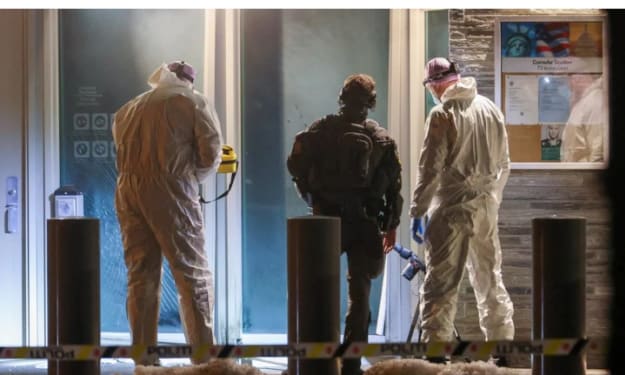
A sudden explosion near the United States Embassy in Oslo, Norway, has sparked international attention and raised concerns about diplomatic security. The incident occurred in the early hours of March 8, 2026, when a loud blast shook the area around the embassy building. Although the explosion caused visible damage to the property, authorities confirmed that no one was killed and no serious injuries were reported.
By Jameel Jamali2 days ago in The Swamp
The Politics of Playing Dress-Up
Well, to start off I'd like to say a happy world book day to all who celebrate. I know I haven't really posted anything on my socials about it but I'm not a jubilant kind of person. I lay low most of the time. Let's start off with a popular anecdote from the vaults...
By Annie Kapur5 days ago in Geeks


Comments
There are no comments for this story
Be the first to respond and start the conversation.