
Trump Administration and Democrats at Odds Over Risk to U.S. Weapons Stockpiles from Iran War
A political clash grows in Washington as the Iran conflict raises questions about America’s military readiness
Introduction
As tensions between the United States and Iran intensify, the battlefield is not the only place where conflict is unfolding. In Washington, a fierce political debate has erupted over whether the war could drain America’s critical weapons stockpiles.
The administration of Donald Trump insists that the U.S. military remains fully prepared and well-supplied. However, many Democratic lawmakers warn that the growing military campaign against Iran could rapidly consume key weapons systems and weaken the country’s ability to respond to future global crises.
This disagreement highlights a larger question facing U.S. policymakers: Can the United States sustain modern warfare while maintaining the reserves needed to deter other powerful adversaries?
Growing Military Operations in the Iran Conflict
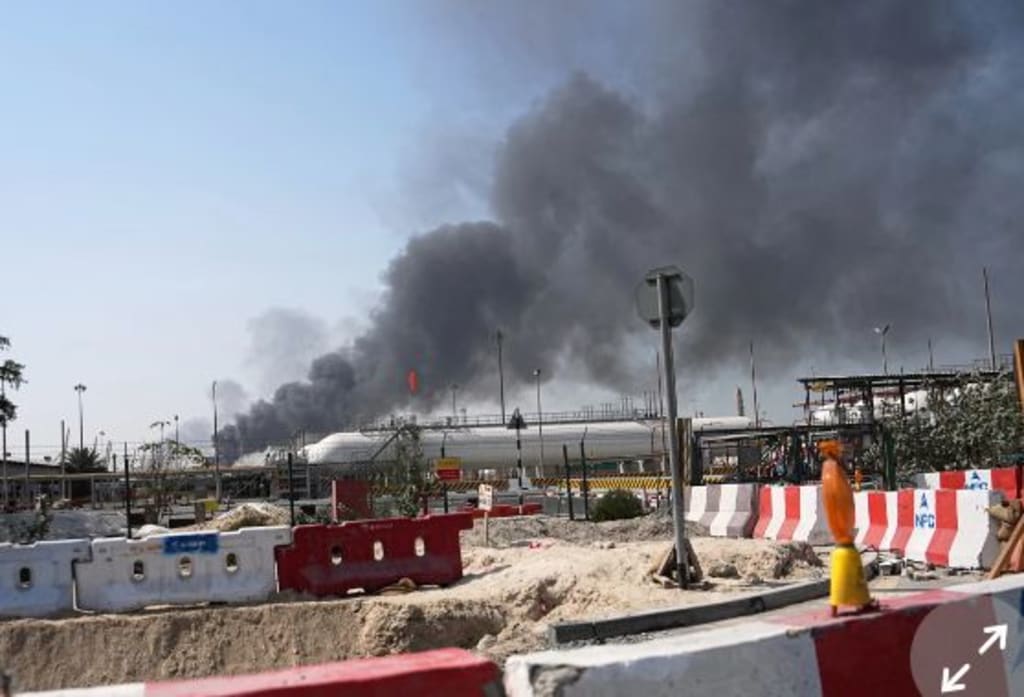
The conflict with Iran escalated after U.S. and allied forces launched strikes against Iranian military infrastructure, including missile bases and logistics facilities. The attacks were designed to limit Iran’s ability to launch missile and drone strikes across the Middle East.
However, Iran responded quickly with retaliatory salvos of drones and ballistic missiles targeting U.S. bases and regional partners.
To defend against these attacks, the U.S. military has been using sophisticated missile defense systems and precision weapons at a rapid pace. These systems are extremely effective but also expensive and limited in number.
Because of this, some lawmakers worry that the current pace of military operations could deplete important stockpiles faster than they can be replaced.
Democrats Raise Concerns About Military Readiness
Several Democratic lawmakers have voiced concern that the war may be placing unexpected pressure on U.S. weapons reserves.
Their main worry centers on missile interceptors—specialized weapons used to shoot down incoming drones and ballistic missiles. These interceptors are a critical component of modern defense systems used to protect U.S. forces and allied countries.
Democrats argue that if large numbers of these interceptors are used in the Iran conflict, the United States could find itself with fewer resources available to respond to other potential threats around the world.
This concern becomes even more serious when considering global tensions involving major powers such as China and Russia. Critics say the U.S. must be careful not to weaken its deterrence capabilities in other regions while focusing on the Middle East.
Some lawmakers have also called for greater transparency from the Pentagon about the current state of U.S. weapons inventories.
The Trump Administration Pushes Back
Officials in the Trump administration strongly reject the claim that the war is threatening America’s military readiness.
Defense officials argue that the Pentagon constantly monitors weapons inventories and carefully plans how munitions are used during military operations. They say the United States still has significant reserves of critical weapons and is capable of sustaining operations against Iran.
Supporters of the administration also point out that the U.S. defense industry has begun expanding production of several high-demand weapons systems.
According to administration officials, defense contractors are increasing manufacturing capacity to ensure that the military can replenish stockpiles while maintaining operational strength.
In their view, the United States is not running out of weapons—it is simply adapting to the realities of modern warfare.
The Challenge of Missile Defense
One of the biggest issues highlighted by the conflict is the cost imbalance between offensive and defensive weapons.
Iran and other countries often rely on relatively inexpensive drones and short-range missiles to launch attacks. These weapons can be produced in large numbers at a relatively low cost.
In contrast, the systems used to intercept them are extremely sophisticated and expensive. Some missile interceptors can cost hundreds of thousands—or even millions—of dollars each.
This means that defending against large waves of cheap drones or missiles can quickly become costly for the defending side.
The Iran conflict has demonstrated how modern warfare often involves high-tech defensive systems being used repeatedly against low-cost threats.
America’s Defense Production Problem
Experts say the debate about weapons stockpiles reflects a deeper issue within the U.S. defense system: limited production capacity.
For decades, the United States maintained smaller stockpiles of highly advanced weapons while relying on technological superiority rather than sheer quantity. This approach worked well during smaller military operations.
However, large-scale conflicts require enormous quantities of munitions, missiles, and defense systems.
Expanding production of these weapons is not easy. Advanced missiles require specialized materials, complex electronics, and highly trained engineers. Supply chains for these components can take years to expand.
As a result, increasing production to meet wartime demand can take significant time.
Political Debate Over the War Itself
The argument about weapons stockpiles is also tied to a broader political debate about the war with Iran.
Some Democrats believe the conflict risks becoming a prolonged military engagement that could drain American resources without delivering clear strategic benefits.
They argue that the United States must be cautious about entering another long Middle Eastern conflict.
Supporters of President Trump disagree. They argue that confronting Iran is necessary to protect U.S. forces, defend regional allies, and prevent further escalation.
According to this perspective, failing to respond strongly to Iranian attacks could encourage more aggressive actions in the future.
What This Means for U.S. National Security
The debate unfolding in Washington highlights an important reality about modern warfare: military strength is not just about having advanced weapons—it is also about having enough of them.
As global tensions increase, the United States must balance multiple strategic challenges at the same time.
Maintaining sufficient stockpiles while supporting ongoing military operations will likely remain a key issue for policymakers and defense planners.
The outcome of this debate could influence future defense budgets, weapons production strategies, and the broader direction of U.S. national security policy.
For now, the conflict with Iran continues to shape both military strategy abroad and political battles at home. And as the war evolves, the question of whether America’s weapons reserves can keep pace may become even more urgent.
About the Creator
Parallel Protests
I haven't written for quite some time, but I have A LOT of thoughts about yesterday's protest rally against our government's involvement and complicity in America's war on Iran, on the harbourside of my home city Bristol, and I need to put them somewhere. My gorgeous girlfriend is always a loving and listening ear and sharing it all with her will always be a healthy and happy way of processing the mental and emotional weight, but getting it straight in my brain to share means writing it all down in straight lines, so, here we are and thanks for being here.
By Steph Cole6 days ago in The Swamp
Iran Plunges Into Chaos After Khamenei’s Death
Iran erupted into unprecedented chaos after Supreme Leader Ayatollah Ali Khamenei was killed during targeted strikes on Feb. 28. Streets in Tehran filled with protesters, while retaliatory attacks hit U.S. bases in the Persian Gulf and the U.S. Embassy in Kuwait. Analysts warn that the violence could escalate into a wider regional crisis.
By Jacqueline Bowser7 days ago in The Swamp


Comments
There are no comments for this story
Be the first to respond and start the conversation.