
Trump Tightens Pressure on Cuba as U.S. Pushes for Charges Against Leaders
Washington intensifies its hardline policy toward Havana as officials explore legal action against senior Cuban leaders over alleged human rights abuses and political repression.

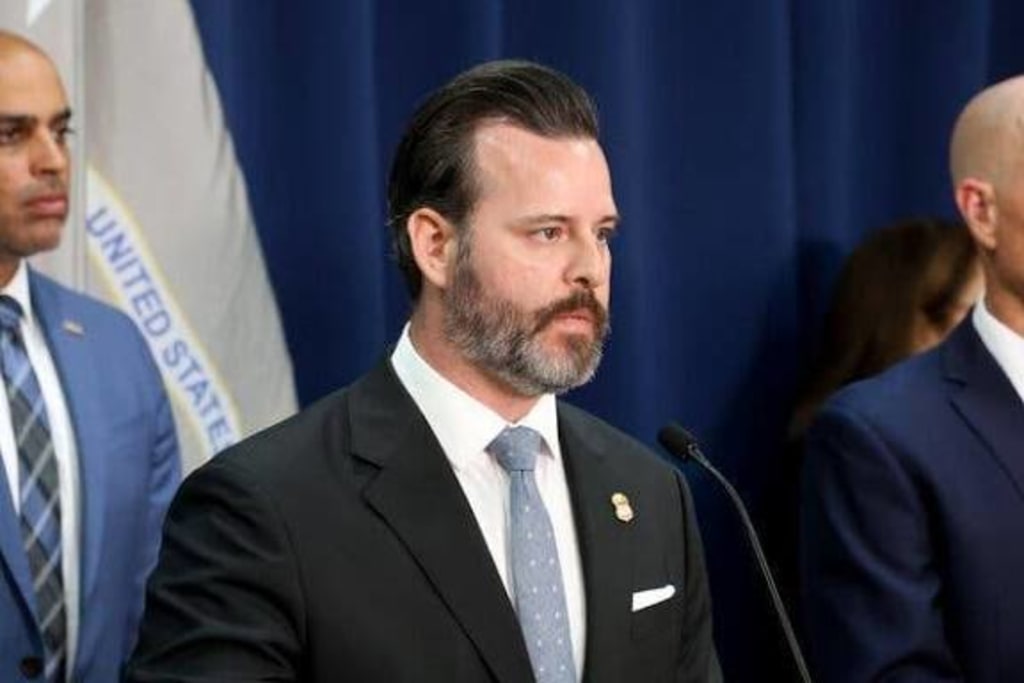
The administration of Donald Trump has intensified its pressure campaign against the Cuban government, signaling a new phase in Washington’s long-running confrontation with Havana. U.S. officials are now exploring legal avenues to pursue charges against senior Cuban leaders, accusing them of human rights abuses, political repression, and alleged support for anti-American activities abroad.
The move reflects a broader strategy by Washington to isolate the Cuban leadership and increase international scrutiny of its political system. Officials say the effort could involve cooperation with international partners, legal experts, and human rights organizations to examine whether Cuban officials could face legal consequences under U.S. law or international legal frameworks.
Senior administration officials argue that the policy shift is necessary to hold the Cuban government accountable for its actions against dissidents and activists. According to the U.S. State Department, Cuba continues to detain critics of the government, restrict freedom of speech, and maintain tight control over political life on the island.
“The Cuban people deserve freedom, democratic institutions, and respect for human rights,” a senior U.S. official said during a briefing. “We are reviewing all available options to ensure those responsible for abuses are held accountable.”
Relations between the United States and Cuba have fluctuated dramatically over the decades. Diplomatic ties were severed after the Cuban Revolution and remained largely frozen for more than half a century. Although a brief thaw occurred during the administration of Barack Obama, which restored diplomatic relations in 2015, the Trump administration later reversed many of those policies.
Under Trump’s leadership, the United States tightened sanctions on Havana, restricted travel to the island, and limited financial transactions involving Cuban state entities. The latest push to consider criminal charges against Cuban leaders represents one of the most aggressive steps taken by Washington in years.
The Cuban government has strongly rejected the allegations, accusing the United States of attempting to undermine its sovereignty. Officials in Havana argue that Washington’s sanctions and diplomatic pressure are part of a long-standing effort to destabilize the country’s political system.
Cuba’s foreign ministry released a statement condemning what it described as “hostile and interventionist actions” by the United States. “Our nation will not bow to threats or intimidation,” the statement said, emphasizing that the Cuban government considers the accusations politically motivated.
Analysts say the new U.S. initiative could further strain already tense relations between the two countries. Some experts believe the effort to pursue charges may face legal and diplomatic obstacles, particularly if it involves international courts or cooperation with other governments.
“Bringing charges against foreign leaders is a complicated process,” said one international law specialist. “It requires clear evidence, jurisdictional authority, and often the support of other nations.”
At the same time, human rights organizations have long documented allegations of political repression in Cuba. Groups such as Amnesty International and Human Rights Watch have criticized the Cuban government for detaining activists and restricting civil liberties.
Supporters of the administration’s policy argue that stronger action is needed to pressure Havana into political reforms. Critics, however, warn that increased confrontation could worsen economic hardships for ordinary Cubans while doing little to change the government’s behavior.
The island nation has already been facing severe economic challenges, including inflation, shortages of basic goods, and declining tourism revenues. Additional diplomatic tensions with the United States could deepen those problems, economists say.
For now, the Trump administration appears determined to maintain its hard-line approach toward Cuba. Whether the effort to pursue charges against Cuban leaders will succeed remains uncertain, but the move signals that Washington’s confrontation with Havana is entering a more confrontational phase.
As both governments exchange accusations, the future of U.S.–Cuba relations once again looks uncertain. What began decades ago as a Cold War rivalry continues to shape policy and politics today, suggesting that the dispute between Washington and Havana is far from over.
About the Creator
Fiaz Ahmed
I am Fiaz Ahmed. I am a passionate writer. I love covering trending topics and breaking news. With a sharp eye for what’s happening around the world, and crafts timely and engaging stories that keep readers informed and updated.
Keep reading
More stories from Fiaz Ahmed and writers in The Swamp and other communities.
Russia Is Providing Iran Intelligence to Target U.S. Forces, Officials Say
The escalating conflict between Iran and the United States has taken a troubling turn, as U.S. officials say Russia has been providing intelligence that could help Tehran target American military forces in the Middle East. The revelation signals a potentially dangerous new phase in the war, raising concerns that the conflict could draw in major global powers and deepen geopolitical tensions. According to several officials familiar with U.S. intelligence assessments, Russia has reportedly supplied Iran with information about the locations of American military assets, including warships and aircraft operating across the region. The intelligence sharing is believed to have begun shortly after the latest round of hostilities erupted, following U.S. and Israeli strikes on Iranian targets. The reports mark the first indication that another major U.S. rival may be indirectly involved in the conflict. While there is no evidence that Moscow is directing Iran’s military operations, analysts say even limited intelligence assistance could significantly improve Tehran’s ability to strike U.S. positions with greater precision. Precision Strikes Raise Questions Recent Iranian attacks on U.S. and allied targets have shown a level of accuracy that surprised some military observers. Iranian forces have reportedly targeted early-warning radar systems, command centers, and critical infrastructure used by U.S. forces. Experts suggest that such precision could be enhanced by access to more advanced intelligence data. Iran’s own satellite capabilities are limited, and the country does not operate a large constellation of military reconnaissance satellites. Russia, however, has far more advanced intelligence and surveillance capabilities, developed over decades and refined during its ongoing war in Ukraine. This technological advantage means that any intelligence provided by Moscow could give Iran a clearer picture of American troop movements, naval deployments, and air operations across the Middle East. Growing Strategic Partnership The alleged intelligence sharing reflects the deepening relationship between Russia and Iran in recent years. Since the start of the Russia-Ukraine war in 2022, Tehran has been one of Moscow’s key partners, providing drone technology and other military assistance that Russia has used extensively in Ukraine. Now, according to analysts, the partnership may be evolving into a two-way strategic relationship. In this scenario, Russia could repay Iran for its support by offering intelligence and other forms of indirect assistance in Tehran’s confrontation with Washington. Some experts believe Moscow may also see strategic advantages in the ongoing Middle East conflict. A prolonged war could distract Western governments from the Ukraine conflict and drive up global energy prices—developments that could benefit Russia economically and politically. Washington Responds Cautiously The White House has been cautious in responding to the reports. Officials have acknowledged the intelligence findings but have not publicly detailed the extent of Russia’s involvement. Some U.S. officials have suggested that even if intelligence sharing is occurring, it may not dramatically alter the battlefield. Still, the possibility that Russia could be helping Iran target American forces has raised alarm among defense analysts and policymakers. The concern is not only about immediate battlefield consequences but also about the broader implications for global security. If confirmed, the development would represent a significant escalation in the conflict, potentially turning a regional war into a confrontation involving multiple global powers. Risk of a Wider Conflict The Middle East is already experiencing heightened tensions as Iranian forces and allied groups respond to U.S. and Israeli military actions. Thousands of drones and missiles have reportedly been launched at military bases and other targets in the region since the conflict intensified. The addition of Russian intelligence support could complicate efforts to de-escalate the crisis. It may also increase the risk of miscalculation, especially if American forces perceive Russian involvement as a direct threat. Diplomats and security experts warn that the situation illustrates how interconnected global conflicts have become. The wars in Ukraine and the Middle East are no longer isolated struggles; instead, they increasingly overlap through alliances, arms transfers, and intelligence cooperation. As the conflict continues to unfold, the world is watching closely to see whether diplomatic efforts can contain the crisis—or whether it will evolve into an even more dangerous international confrontation.
By Fiaz Ahmed 3 days ago in The Swamp
Parallel Protests
I haven't written for quite some time, but I have A LOT of thoughts about yesterday's protest rally against our government's involvement and complicity in America's war on Iran, on the harbourside of my home city Bristol, and I need to put them somewhere. My gorgeous girlfriend is always a loving and listening ear and sharing it all with her will always be a healthy and happy way of processing the mental and emotional weight, but getting it straight in my brain to share means writing it all down in straight lines, so, here we are and thanks for being here.
By Steph Cole6 days ago in The Swamp
Trump Demands ‘Unconditional Surrender’ by Iran, Shifting U.S. Objectives Again
As tensions in the Middle East escalate, U.S. President Donald Trump has dramatically raised the stakes in the ongoing conflict with Iran. In a blunt statement posted online, Trump declared that the United States would accept “no deal” with Iran unless the country agrees to “unconditional surrender.” The statement represents one of the most sweeping and controversial shifts in Washington’s objectives since the current conflict began. While American officials previously emphasized limited military goals—such as weakening Iran’s missile capabilities and preventing nuclear development—the demand for total surrender suggests a broader political and strategic ambition. It has also intensified debate among policymakers, analysts, and global leaders about the true endgame of the war. From Military Objectives to Political Ultimatums Initially, U.S. military operations against Iran were described as targeted strikes aimed at dismantling key threats. These included Iran’s ballistic missile infrastructure, naval assets, and potential nuclear weapons development programs. The Pentagon framed the campaign as a defensive measure designed to reduce Iran’s ability to threaten American forces and regional allies. � Reuters However, Trump’s latest declaration appears to go far beyond these earlier goals. By demanding unconditional surrender, the president has effectively ruled out negotiated compromise unless Iran first capitulates completely. In his statement, Trump suggested that surrender would be followed by the installation of “acceptable” leadership in Tehran and a major international effort to rebuild the country’s economy. He even used a slogan reminiscent of his domestic political messaging, promising to “make Iran great again.” � TIME +1 The proposal implies a sweeping political transformation inside Iran—one that critics say could amount to regime change. A Conflict with Rising Stakes The war has already entered a dangerous phase. U.S. and allied forces have reportedly conducted extensive strikes on Iranian military targets, while Iran has retaliated with missile and drone attacks across the region, including against American bases and allied nations. � Reuters These exchanges have expanded the conflict’s geographic scope, drawing in several Middle Eastern states and threatening regional stability. Energy markets have also reacted sharply, with global oil prices rising amid fears of supply disruptions. Trump has warned that military operations will continue until U.S. strategic objectives are achieved, suggesting the conflict could last longer than initially expected. � Reuters But what those objectives are remains increasingly unclear. Shifting Messages from Washington One of the most striking aspects of the current crisis is the apparent inconsistency in U.S. messaging. At various points, American officials have emphasized different priorities—sometimes focusing on military deterrence, sometimes on eliminating Iran’s strategic capabilities, and now on unconditional surrender. Defense officials have insisted that the core mission remains limited to neutralizing Iran’s offensive capabilities. Yet the president’s rhetoric has repeatedly expanded the scope of the conflict. This discrepancy has created confusion both domestically and internationally. Allies are trying to determine whether the United States seeks a negotiated settlement, long-term containment, or a complete restructuring of Iran’s political system. Strategists warn that these shifting signals could complicate diplomatic efforts. Mediation attempts by several countries reportedly began even as Trump ruled out any deal short of surrender. � Al Jazeera Iran’s Response Iranian leaders have rejected the demand outright, framing it as an unacceptable attempt to dictate the nation’s future. Officials in Tehran insist the country will defend its sovereignty and continue resisting foreign pressure. Public statements from Iranian authorities emphasize that any political transition must come from within Iran, not from external forces. For many Iranians, the demand for surrender echoes historical grievances about foreign intervention in the region. The likelihood of Tehran agreeing to unconditional surrender appears extremely low. Analysts say such a demand typically occurs only at the end of major wars when one side has suffered overwhelming defeat. As a result, Trump’s statement may signal a willingness to continue the conflict until Iran’s military and political leadership are fundamentally weakened. Global Reactions The international response has been mixed. Some U.S. allies support a strong stance against Iran’s military capabilities but worry that a maximalist objective could prolong the war and destabilize the region. European leaders in particular have expressed concern that eliminating diplomatic options could lead to a broader regional confrontation. Meanwhile, global markets have reacted nervously to the uncertainty surrounding the conflict’s trajectory. Historically, demands for unconditional surrender have been rare in modern conflicts. The term is most commonly associated with the end of World War II, when Allied powers required total capitulation from Nazi Germany and Imperial Japan. Applying similar language to a modern geopolitical conflict underscores the seriousness—and potential risks—of the current situation. What Comes Next? The central question now facing policymakers is what the demand actually means in practical terms. Trump himself suggested that “unconditional surrender” might not require a formal declaration but rather the destruction of Iran’s ability to continue fighting. � Axios If that interpretation holds, the conflict could continue until Iran’s military infrastructure is severely degraded. Yet even that scenario raises further questions. What would follow the collapse of Iran’s military capabilities? Who would lead the country? And how would stability be maintained in a nation of more than 80 million people with deep political and cultural divisions? For now, those answers remain uncertain. What is clear is that the conflict has entered a new and unpredictable phase. Trump’s demand for unconditional surrender has transformed what began as a targeted military campaign into a broader geopolitical struggle—one whose outcome could reshape the Middle East for years to come.
By Jameel Jamali2 days ago in The Swamp



Comments
There are no comments for this story
Be the first to respond and start the conversation.