
UK Sending Four Extra Typhoon Jets to Qatar, PM Starmer Says
Britain Strengthens Middle East Presence as Regional Tensions Continue to Rise
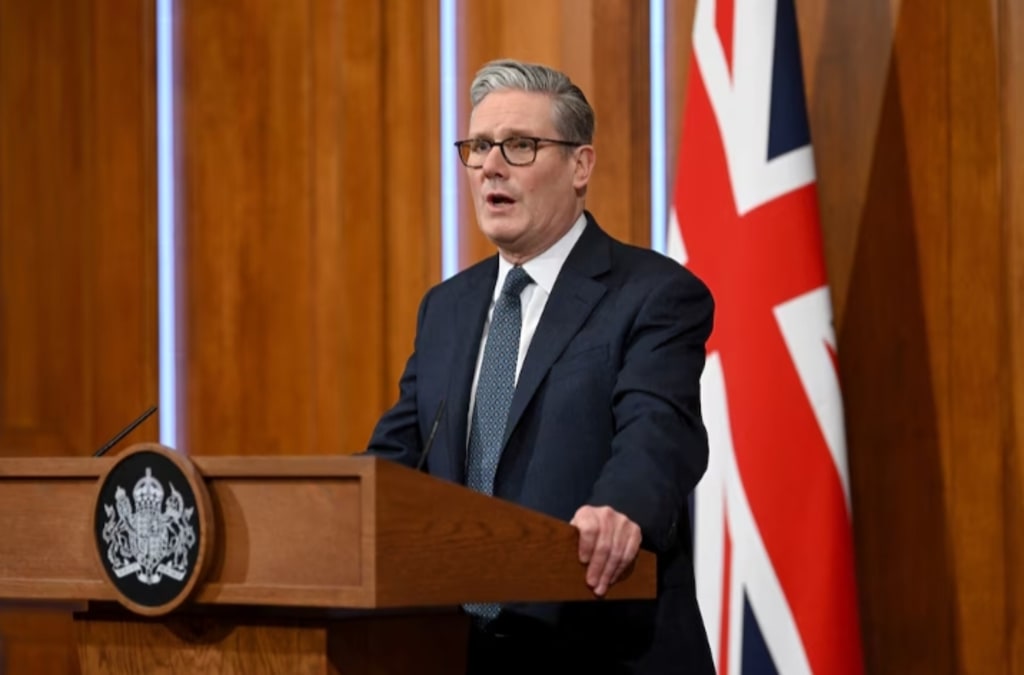
The United Kingdom has announced it will deploy four additional Typhoon fighter jets to Qatar as part of efforts to strengthen security and stability in the Middle East. Prime Minister Keir Starmer confirmed the decision amid growing tensions across the region, particularly as conflicts involving Iran and its regional rivals continue to escalate.
The move reflects Britain’s increasing concern about the rapidly evolving security environment in the Middle East. By expanding its air force presence in Qatar, the UK aims to enhance its ability to respond quickly to potential threats while also supporting allied operations and protecting key strategic interests.
Officials in London say the deployment is a precautionary measure designed to reinforce regional security rather than signal an immediate escalation in military activity. However, the decision highlights how seriously Western governments are taking the current instability.
The Role of Typhoon Fighter Jets
The Eurofighter Typhoon is one of the most advanced multi-role combat aircraft currently used by the Royal Air Force. Designed for both air superiority and ground attack missions, the jet is capable of carrying out a wide range of operations including interception, surveillance, and precision strikes.
By sending additional Typhoon jets to Qatar, the UK significantly improves its ability to monitor regional airspace and respond rapidly to potential threats. The aircraft’s advanced radar systems and high-speed maneuverability make it particularly effective in contested environments where quick reaction times are critical.
Military experts note that modern fighter jets like the Typhoon also play an important role in deterrence. Their presence can signal readiness and capability without necessarily engaging in combat operations.
For Britain, maintaining a credible military presence in key strategic locations is an important part of its defense policy and international commitments.
Qatar as a Strategic Military Hub
Qatar has long served as a critical base for Western military operations in the Middle East. The country hosts several international military facilities and provides logistical support for coalition forces operating across the region.
For the United Kingdom, Qatar offers a valuable platform from which the Royal Air Force can conduct surveillance, coordinate operations, and respond to emerging threats. The existing RAF presence in the country allows British forces to operate effectively alongside allies while maintaining flexibility in deployment.
Strengthening the air presence in Qatar ensures that Britain remains prepared for a wide range of scenarios, from protecting international shipping routes to supporting humanitarian missions if necessary.
The deployment of additional Typhoon jets also reinforces the UK’s long-standing defense partnership with Qatar.
Rising Regional Tensions
The decision to send extra aircraft comes at a time when the Middle East is experiencing heightened tensions. Recent military exchanges, missile launches, and drone attacks across the region have raised fears that conflicts could spread beyond their current boundaries.
Governments around the world are closely monitoring the situation as the risk of escalation remains high. Any significant disruption to the region’s stability could have global consequences, particularly for energy markets and international trade routes.
The UK government has emphasized that its primary goal is to ensure the safety of British citizens and interests while supporting broader efforts to maintain peace and stability.
Prime Minister Starmer noted that the deployment is part of a wider strategy to remain prepared for potential developments in the region.
A Message of Deterrence and Readiness
Military deployments often serve multiple purposes, and the addition of four Typhoon jets is no exception. While the aircraft enhance Britain’s operational capabilities, they also send a message about the country’s commitment to regional security.
Deterrence is a central concept in modern defense strategy. By maintaining strong military capabilities and visible presence, countries can discourage potential aggression or destabilizing actions.
In the case of the Middle East, where tensions can escalate quickly, the ability to respond swiftly is particularly important. Fighter jets stationed at forward bases can intercept hostile aircraft, conduct reconnaissance missions, and support allied operations when necessary.
Officials stress that the deployment should not be interpreted as preparation for immediate combat, but rather as part of routine defensive planning during a period of uncertainty.
Coordination With Allies
Britain’s decision to reinforce its air presence also reflects close coordination with international partners. Western countries, including the United States and several European allies, maintain military assets in the region to support collective security efforts.
Joint operations and intelligence sharing are essential components of modern military cooperation. By operating alongside allies, the UK can contribute to broader strategies designed to prevent conflicts from escalating further.
Such coordination also ensures that responses to potential threats are organized and effective.
Defense analysts say that multinational cooperation plays a crucial role in maintaining stability in regions where security challenges are complex and interconnected.
Domestic Perspective in the UK
Back in the United Kingdom, the announcement has sparked discussion about the country’s role in international security operations. Some political leaders and commentators have welcomed the decision, arguing that proactive defense measures are necessary in a rapidly changing geopolitical landscape.
Others have raised questions about the risks associated with increased military involvement in the Middle East. Critics often emphasize the importance of diplomatic solutions and caution against actions that could unintentionally deepen existing conflicts.
The government has responded by emphasizing that the deployment is defensive in nature and designed to support stability rather than provoke confrontation.
Officials have also stressed that diplomacy remains an important part of Britain’s approach to international relations.
Protecting Strategic Interests
The Middle East remains one of the most strategically significant regions in the world. Its energy resources, trade routes, and geopolitical influence make stability there vital for the global economy.
Any disruption to shipping lanes or energy infrastructure could have immediate consequences for markets and supply chains around the world.
By maintaining a presence in the region, the UK aims to protect these critical interests while also supporting international efforts to preserve peace and security.
The deployment of additional fighter jets therefore reflects not only military considerations but also economic and diplomatic priorities.
Looking Ahead
As tensions in the Middle East continue to evolve, governments will likely adjust their strategies in response to changing circumstances. The UK’s decision to send four additional Typhoon jets to Qatar demonstrates how nations are preparing for uncertainty while seeking to prevent further escalation.
For Prime Minister Keir Starmer, the deployment signals Britain’s commitment to international security and its willingness to work with allies to address emerging threats.
While the long-term outcome of the current regional tensions remains unclear, the presence of additional military assets ensures that the UK is better positioned to respond to whatever challenges may arise.
In an increasingly unpredictable global environment, readiness and cooperation are becoming more important than ever.
About the Creator
A Gathering of Evil Bosses
“I’m the queen of chin jutting while I smooth my hair, attacking, insulting, and deflecting to protect my appointer.” “Oh, please, Blondi, my hair is curled, highlighted, and longer than yours. I feature television commercials telling immigrants that we will give them a free plane ride home, and if they voluntarily turn themselves in, they will be allowed to legally apply for re-entry. It runs everywhere, and I look good in it! You can’t compete because of your blond hair. Mine is nicer, and my lips are prettier than yours.”
By Andrea Corwin 16 days ago in The Swamp



Comments
There are no comments for this story
Be the first to respond and start the conversation.