
US and Mideast Countries Seek Kyiv’s Drone Expertise as Russia–Ukraine Talks Put on Ice
Ukraine’s Battle-Tested Anti-Drone Skills Draw Global Interest
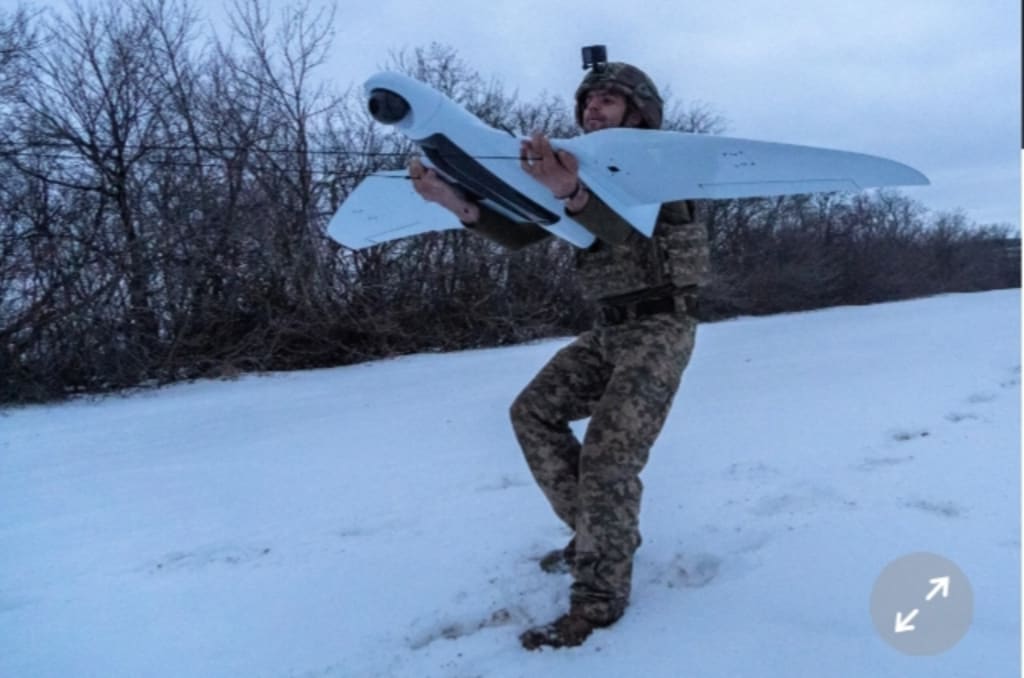
The United States and several Middle Eastern nations are turning to Ukraine’s battlefield-tested drone expertise to counter Iranian-style Shahed drones, as diplomatic efforts to resume Russia–Ukraine peace talks remain stalled. Ukrainian President Volodymyr Zelenskyy confirmed that Washington and capitals across the Gulf—including the United Arab Emirates, Qatar, Bahrain, Jordan, and Kuwait—have approached Kyiv to explore cooperation on counter-drone strategies.
The outreach highlights how Ukraine’s combat innovations are shaping international defense strategies far beyond Europe’s conflict zones. While U.S. and Middle Eastern forces have robust air defense systems, Kyiv’s experience offers unique solutions for managing drone swarms efficiently and cost-effectively.
Why Ukraine’s Drone Expertise Matters
Ukraine has confronted tens of thousands of Iranian-made Shahed drones since the Russian invasion began, making it one of the world’s most experienced militaries in counter-drone operations.
During the war, Kyiv developed low-cost, highly effective countermeasures, including specialized interceptor drones capable of tracking and neutralizing incoming threats. These systems, sometimes costing as little as $1,000, offer a practical alternative to expensive missile-based air defense platforms, enabling militaries to defend critical infrastructure without massive expenditures.
U.S. and Gulf officials view Ukraine’s approach as a potential game-changer. It combines affordability, mobility, and proven battlefield effectiveness—qualities especially appealing to smaller regional militaries facing large-scale drone threats.
Which Countries Are Engaged
Zelenskyy confirmed that both Washington and multiple Gulf states are actively seeking guidance from Kyiv:
United States: Interested in adapting Ukrainian systems for U.S. and allied deployments.
Gulf nations: Including UAE, Qatar, Bahrain, Jordan, and Kuwait, are exploring ways to implement counter-drone strategies against Iranian drones.
These countries face rising threats from Iranian unmanned aerial systems in the region. By studying Ukraine’s approach, they hope to bolster defenses efficiently without relying solely on high-cost Western interceptors.
How Ukraine Counters Drones
Ukraine’s counter-drone strategy emphasizes modular, layered defenses. Kyiv integrates radar, electronic warfare tools, and interceptor drones to detect, track, and destroy hostile unmanned aerial vehicles.
In many cases, drones are used to target other drones, complemented by ground-based jamming and electronic disruption. This multi-layered strategy has proven effective against the diverse types of drones deployed by Russian and Iranian forces.
The combination of networked sensors, rapid response interceptors, and inexpensive solutions has allowed Ukraine to neutralize high volumes of incoming drones while minimizing resource expenditure.
Conditions for Cooperation
Zelenskyy emphasized that Ukraine will share its expertise only if it does not weaken its own defenses. Cooperation will be contingent on protecting Ukrainian airspace and personnel while contributing meaningfully to regional security.
“Ukraine helps defend those who help Ukraine bring a just end to the war,” Zelenskyy stated. The focus remains on ensuring that any assistance strengthens Kyiv’s position against Russia without overextending its resources.
Diplomatic Impact
The new focus on Middle Eastern drone defense has had immediate diplomatic consequences. A planned trilateral meeting involving Kyiv, Moscow, and U.S. officials was postponed due to the intensifying Iran-related situation. Zelenskyy noted that conditions are not yet favorable for diplomacy, and talks will resume when circumstances allow.
This development illustrates the growing intersection of global conflicts. Ukraine’s experience fighting drone-based attacks has suddenly become a strategic resource for nations far beyond Europe, linking the Russia–Ukraine war with security concerns in the Middle East.
Strategic Implications for the Middle East
Ukraine’s counter-drone expertise offers Gulf nations an affordable and battle-proven approach to defending critical infrastructure. Given the increasing frequency of Iranian drone deployments, Kyiv’s experience could significantly enhance regional defense capabilities.
Moreover, U.S. interest in leveraging Ukraine’s knowledge underscores the broader trend of transcontinental military cooperation, where combat lessons from one conflict inform strategies in another.
However, analysts warn that sharing expertise also carries risks. Adapting battlefield tactics from Ukraine to Middle Eastern theaters requires careful planning to account for different terrain, climate, and threat profiles.
What Comes Next
If discussions evolve into formal partnerships, Ukraine may export its counter-drone technology and provide technical training to U.S. and Gulf forces. This could include deploying interceptor drones, sharing electronic warfare methods, and conducting joint exercises to optimize response against large-scale drone swarms.
The outcome of these initiatives may shape how regional powers defend against unmanned threats for years to come, while also influencing the broader Russia–Ukraine conflict by reinforcing Kyiv’s position through strategic alliances.
Key Takeaways:
The U.S. and several Middle Eastern nations are seeking Ukraine’s expertise to counter Iranian Shahed drones.
Countries involved include the UAE, Qatar, Bahrain, Jordan, and Kuwait.
Ukraine’s low-cost drone defense systems are cost-effective and battle-tested.
Assistance will only proceed if Ukraine’s own military capabilities are not compromised.
Russia–Ukraine peace talks remain on hold as global attention shifts to drone threats in the Middle East.
Ukraine’s role as a global leader in drone defense highlights how battlefield experience can translate into international security influence, connecting conflicts across continents in unprecedented ways.
About the Creator
A Gathering of Evil Bosses
“I’m the queen of chin jutting while I smooth my hair, attacking, insulting, and deflecting to protect my appointer.” “Oh, please, Blondi, my hair is curled, highlighted, and longer than yours. I feature television commercials telling immigrants that we will give them a free plane ride home, and if they voluntarily turn themselves in, they will be allowed to legally apply for re-entry. It runs everywhere, and I look good in it! You can’t compete because of your blond hair. Mine is nicer, and my lips are prettier than yours.”
By Andrea Corwin 16 days ago in The Swamp
Top 50 English-Language News Sites in the World: Substack Leads YoY Growth for Seventh Month as Most Down in January
Subtitle: As traditional news platforms face declining traffic, independent publishing and newsletter-driven journalism are reshaping the global media landscape.
By Jameel Jamali6 days ago in The Swamp




Comments
There are no comments for this story
Be the first to respond and start the conversation.