
Washington Moves to Break Hormuz Shipping Paralysis With $20B Maritime Insurance Plan
U.S. initiative aims to protect commercial shipping in the Strait of Hormuz amid heightened Middle East tensions.

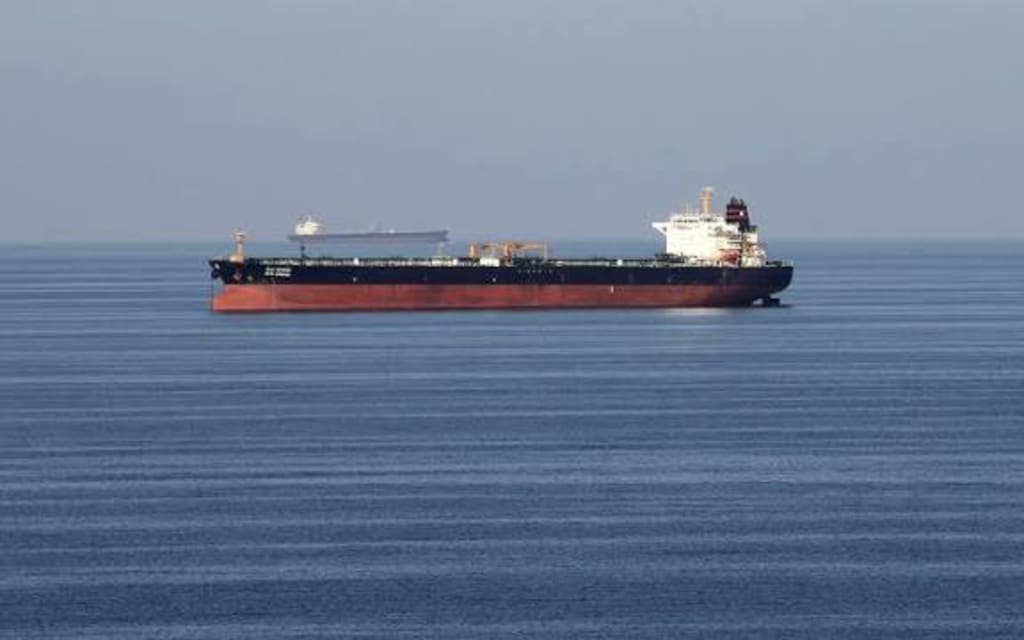
The United States is taking decisive steps to safeguard commercial shipping through the Strait of Hormuz, unveiling a $20 billion maritime insurance initiative designed to reduce risk for international vessels navigating one of the world’s most strategically sensitive waterways. The plan, announced by the U.S. Department of Defense and Treasury, comes amid escalating regional tensions and recent Iranian attacks on shipping vessels, which have disrupted global oil supplies and triggered volatility in international energy markets.
The Strait of Hormuz, a narrow maritime chokepoint connecting the Persian Gulf to the Arabian Sea, is vital for global energy trade. Nearly 20% of the world’s oil supply passes through the strait, making its security a high priority for energy-importing nations and multinational shipping companies. Recent incidents—including attacks on tankers and drone strikes in nearby waters—have prompted insurers to hike premiums, with some firms refusing to cover vessels at all.
The U.S. plan seeks to fill that gap by offering a government-backed insurance mechanism for commercial vessels operating in high-risk areas. Officials emphasize that the initiative is designed to restore confidence in maritime trade, ensuring that oil, liquefied natural gas, and other essential commodities continue flowing despite geopolitical tensions.
“Energy and trade security are national security imperatives,” said Lloyd Austin. “This initiative will provide predictable coverage for commercial operators and help prevent disruptions that could ripple through global markets.”
The $20 billion fund will cover both direct damages to ships and cargo as well as liability claims arising from hostile actions. U.S. officials indicated that the plan is available to vessels from all nations, emphasizing multilateral cooperation in maintaining safe maritime operations. Analysts say the approach mirrors historical precedents, such as wartime convoy insurance programs, but on a modern scale adapted to current geopolitical risks and the complex web of international shipping interests.
Iran has frequently threatened to close the Strait of Hormuz in response to sanctions, naval operations, and perceived foreign interference. These threats have previously caused spikes in oil prices and disrupted supply chains. Shipping companies have grown increasingly wary of sending vessels through the region without adequate protection, creating what some analysts describe as a “shipping paralysis.”
“This insurance initiative is a strong signal to Tehran and other actors that the international community is prepared to maintain maritime trade regardless of threats,” said Michael Singh. “By reducing financial risk, it removes a key leverage point that could be used to intimidate shipping firms.”
Critics, however, caution that the plan is not a substitute for diplomacy or conflict resolution. While insurance may mitigate economic risk for private companies, it does not address the underlying political tensions that fuel instability in the Gulf. Analysts stress the need for parallel diplomatic engagement with Gulf states, Iran, and international partners to prevent escalation that could threaten both commercial and military vessels.
The initiative is also expected to influence global energy markets. By ensuring that tankers and LNG carriers can transit the strait without prohibitive insurance costs, the U.S. hopes to stabilize supply and contain price spikes that have affected both European and Asian economies in recent months. Energy traders have reacted positively, with futures markets showing modest declines in volatility following the announcement.
In addition to insurance coverage, the U.S. plans to coordinate closely with allied navies operating in the region, providing escort services, intelligence sharing, and rapid response to threats. These combined measures reflect a comprehensive approach to maritime security, emphasizing both financial and operational protections for international shipping.
Shipping industry representatives have welcomed the plan, noting that it could restore confidence in one of the world’s most vital energy corridors. “Having a reliable insurance framework backed by a major government makes the difference between sending a ship through and rerouting it hundreds of miles,” said one shipping executive speaking on condition of anonymity.
Washington’s $20 billion maritime insurance initiative represents a significant step in ensuring uninterrupted commerce in the Strait of Hormuz. While not a solution to the broader geopolitical challenges in the Middle East, it aims to mitigate immediate economic risks and reassure international stakeholders that trade and energy flows can continue despite regional tensions.
About the Creator
Fiaz Ahmed
I am Fiaz Ahmed. I am a passionate writer. I love covering trending topics and breaking news. With a sharp eye for what’s happening around the world, and crafts timely and engaging stories that keep readers informed and updated.
Keep reading
More stories from Fiaz Ahmed and writers in The Swamp and other communities.
As Trump takes out world leaders, democracy takes a back seat
In a series of unprecedented moves, former U.S. President Donald Trump has increasingly bypassed traditional diplomatic channels, sidelining allies and taking direct action against foreign leaders. Observers warn that such unilateral strategies risk undermining democratic principles both domestically and abroad while leaving the U.S. isolated on the global stage. Trump’s approach contrasts sharply with the multilateralism that has characterized American foreign policy for decades. Rather than coordinating closely with allies through established diplomatic and legislative frameworks, the former president has increasingly relied on executive authority, public statements, and high-profile sanctions to advance U.S. interests. Critics argue this not only destabilizes international norms but also diminishes the role of Congress and other democratic institutions in shaping foreign policy. Recent actions targeting leaders in Latin America, the Middle East, and parts of Europe illustrate the trend. Analysts point out that decisions previously subject to intense debate among diplomats, lawmakers, and regional partners are now being executed rapidly, often with minimal consultation. These measures have generated both immediate geopolitical effects and long-term uncertainties for alliances. “Democracy thrives on checks and balances,” said Dr. Emily Harrison, a political science professor at Georgetown University. “When a single figure can dictate international relations with little oversight, it erodes the mechanisms designed to ensure accountability, transparency, and thoughtful deliberation.” While supporters argue that Trump’s direct style allows for quicker responses and projects strength, detractors say it risks alienating traditional allies and emboldening adversaries. European and Latin American governments have reportedly expressed concern over sudden policy shifts and unexpected sanctions, which often bypass traditional diplomatic channels. Such unilateralism can weaken long-term strategic partnerships, leaving countries hesitant to rely on U.S. commitments. Domestically, the trend also highlights tensions between executive power and legislative oversight. Congress has historically held authority over declarations of war, foreign aid allocations, and treaty ratifications. By circumventing these processes, Trump not only challenges the balance of power but also sets a precedent for future leaders to act independently of democratic checks. In addition to structural concerns, experts warn that public messaging—especially on social media—has become a tool for influencing global politics directly. Announcements about policy shifts, sanctions, or leadership removal often reach international audiences instantly, sometimes causing confusion among diplomats and foreign populations. The speed and informality of this communication style can exacerbate crises rather than resolve them, according to analysts. International relations scholars emphasize that while decisive action is sometimes necessary, sustained engagement, negotiation, and consensus-building remain critical. By prioritizing personal decision-making over established diplomatic processes, Trump risks undermining U.S. credibility and soft power. Allies may view U.S. commitments as unpredictable, and adversaries could exploit perceived gaps in policy coordination. Observers also point to the potential domestic consequences. By concentrating power in the executive branch, Trump diminishes the influence of Congress, independent agencies, and the judiciary in foreign policy decisions. Critics argue this trend could erode public trust in democratic institutions and create long-term structural weaknesses. Despite controversy, Trump’s approach resonates with a segment of voters who view traditional diplomacy as slow, ineffective, or overly cautious. Supporters applaud the directness, seeing it as a way to protect U.S. interests and project strength internationally. However, experts caution that short-term gains in visibility or leverage may come at the expense of sustainable, institutionally anchored foreign policy. As the global order navigates heightened tensions and emerging crises, Trump’s unilateral strategy raises fundamental questions about the role of democracy in international decision-making. Maintaining balance between executive authority and democratic oversight is increasingly crucial, not only for the U.S. but also for the stability of international alliances that rely on predictable, accountable governance.
By Fiaz Ahmed 2 days ago in The Swamp
Parallel Protests
I haven't written for quite some time, but I have A LOT of thoughts about yesterday's protest rally against our government's involvement and complicity in America's war on Iran, on the harbourside of my home city Bristol, and I need to put them somewhere. My gorgeous girlfriend is always a loving and listening ear and sharing it all with her will always be a healthy and happy way of processing the mental and emotional weight, but getting it straight in my brain to share means writing it all down in straight lines, so, here we are and thanks for being here.
By Steph Cole6 days ago in The Swamp
The First Casualty Of War Is The Truth
It is often said that in times of war, the first casualty is the truth. When Donald Trump launched Operation Epic Fury, he said that the goal was to stop Iran from developing nuclear weapons. At the same time, when the head of the International Atomic Energy Agency (IAEA), Rafael Grossi, was asked about it, he said that they do not even have access to the sites. Therefore, they have no clear idea about what is happening there, and he appeared somewhat confused.
By Ibrahim Shah 2 days ago in The Swamp


Comments
There are no comments for this story
Be the first to respond and start the conversation.