
At Least 13 Hospitals and Health Facilities Hit During Attacks on Iran, WHO Says
WHO Warns of Damage to Health Infrastructure Amid Ongoing Conflict
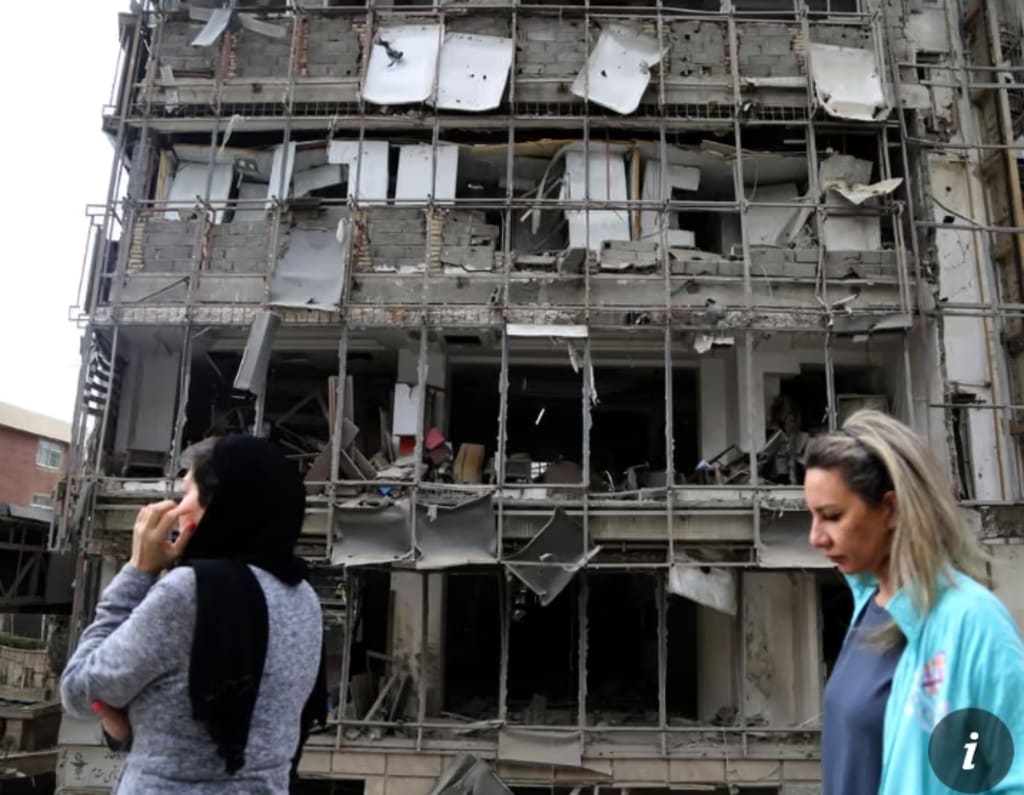
The ongoing conflict involving the United States, Israel, and Iran has taken a heavy toll on civilian infrastructure, with the World Health Organization (WHO) confirming that at least 13 hospitals and other health facilities in Iran have been hit during recent military strikes. The organization highlighted that the attacks have forced evacuations, injured medical staff, and disrupted essential healthcare services, compounding an already severe humanitarian crisis.
WHO Director-General Tedros Adhanom Ghebreyesus confirmed the figures during a press briefing on Thursday, emphasizing that medical facilities and personnel are protected under international humanitarian law, and any attacks on them constitute a serious concern.
Verified Attacks on Health Facilities
According to WHO, the verified attacks in Iran affected hospitals and clinics across multiple cities, including Tehran, forcing some facilities to evacuate patients and staff. The organization also reported a verified attack in Lebanon, demonstrating that the broader regional conflict is having spillover effects beyond Iran’s borders.
Four ambulances were reportedly damaged, and hospitals experienced varying levels of structural damage due to nearby explosions. The WHO stressed that attacks on health infrastructure violate international norms and compromise the ability to provide care to those in need.
Impact on Medical Staff and Services
Humanitarian agencies report that at least four healthcare workers have been killed and around 25 injured during these attacks. The loss of medical personnel exacerbates the crisis, reducing the capacity to treat casualties and maintain essential services.
Hospitals faced not only physical damage but also operational challenges, with some forced to limit or suspend services temporarily. The strikes have increased pressure on remaining facilities, which must manage an influx of casualties while coping with damaged infrastructure and disrupted supply chains.
Humanitarian and Operational Challenges
The strikes have disrupted international humanitarian supply chains, including WHO’s global emergency logistics hub in Dubai, which temporarily halted operations due to airspace closures and insecurity. The hub plays a crucial role in distributing medical supplies to multiple countries, including Afghanistan, Pakistan, and the Gaza Strip, and its temporary closure has delayed the delivery of critical medicines and laboratory materials.
Such disruptions compound the strain on already vulnerable health systems and hinder ongoing efforts to respond to both conflict-related and preexisting health emergencies.
Broader Humanitarian Impact
The conflict has also caused significant displacement. Estimates indicate tens of thousands of people have been forced to leave their homes, both within Iran and in neighboring countries. The combination of damaged health infrastructure and population displacement raises the risk of secondary crises, such as disease outbreaks, limited maternal and child healthcare, and long-term public health decline.
Humanitarian agencies continue to monitor the situation, emphasizing that safeguarding healthcare access is essential for mitigating long-term consequences for affected populations.
Legal and Ethical Considerations
International humanitarian law, under the Geneva Conventions, protects hospitals, medical personnel, and patients during armed conflicts. Attacks on medical facilities are prohibited unless the facilities are being used for military purposes.
While WHO did not assign responsibility for the attacks, its statement underlined the principle that healthcare must remain protected in war zones. The damage to hospitals and health personnel raises serious ethical and legal concerns about adherence to these international obligations.
Response from Iranian Authorities
Iran has formally raised concerns at the United Nations, citing at least 10 health facilities hit in the recent strikes, a figure closely aligned with WHO’s verified count. Iranian officials have highlighted incidents involving hospitals in Tehran and other major cities, emphasizing the human cost of attacks on medical infrastructure.
Local media reported evacuations and temporary shutdowns of affected hospitals, illustrating the operational challenges posed by strikes to Iran’s health system.
International Reaction
Humanitarian organizations and human rights groups have condemned attacks on healthcare facilities, calling for urgent measures to protect medical personnel and patients. Governments and international agencies have urged all parties to respect international law and prioritize civilian safety, although diplomatic efforts have so far had limited effect in halting attacks.
The international community continues to monitor the situation closely, particularly as damage to hospitals threatens broader public health and regional stability.
Looking Ahead
As the conflict continues, WHO has pledged to maintain verification and monitoring of attacks on health facilities and to provide support to affected services wherever possible. Protecting hospitals, ambulances, and medical personnel remains a priority to prevent further deterioration of healthcare access and to mitigate the humanitarian impact of the conflict.
The ongoing attacks on Iran’s healthcare system highlight the devastating consequences of war on civilian life, underscoring the need for strict adherence to international humanitarian principles and urgent attention to safeguarding essential services in conflict zones.
Key Takeaways:
WHO has verified 13 attacks on hospitals and health sites in Iran.
At least four healthcare workers killed and 25 injured amid the strikes.
Ambulances and emergency services have also been damaged.
Disruptions threaten international humanitarian supply chains and delay critical medical aid.
Attacks on healthcare facilities raise serious legal and ethical concerns under international law.
The mounting damage to Iran’s medical infrastructure demonstrates the profound human cost of modern warfare and the urgent need to protect civilians and essential services.
About the Creator
A Gathering of Evil Bosses
“I’m the queen of chin jutting while I smooth my hair, attacking, insulting, and deflecting to protect my appointer.” “Oh, please, Blondi, my hair is curled, highlighted, and longer than yours. I feature television commercials telling immigrants that we will give them a free plane ride home, and if they voluntarily turn themselves in, they will be allowed to legally apply for re-entry. It runs everywhere, and I look good in it! You can’t compete because of your blond hair. Mine is nicer, and my lips are prettier than yours.”
By Andrea Corwin 16 days ago in The Swamp
A More Human Vocal
When we launched Vocal nearly a decade ago, the world was a very different place. LLMs did not exist, and stories were created one at a time by people sitting down to write, revise, and share something personal. Many of our assumptions about publishing, trust, and participation were built for a world where effort and output were inseparable.
By Justin @ Vocalabout 19 hours ago in Resources



Comments
There are no comments for this story
Be the first to respond and start the conversation.