
Iran Turns to Cheap Drones as U.S. and Israel Target Missile Launchers
Tehran Relies on Cost-Effective UAVs Amid Heavy Strikes
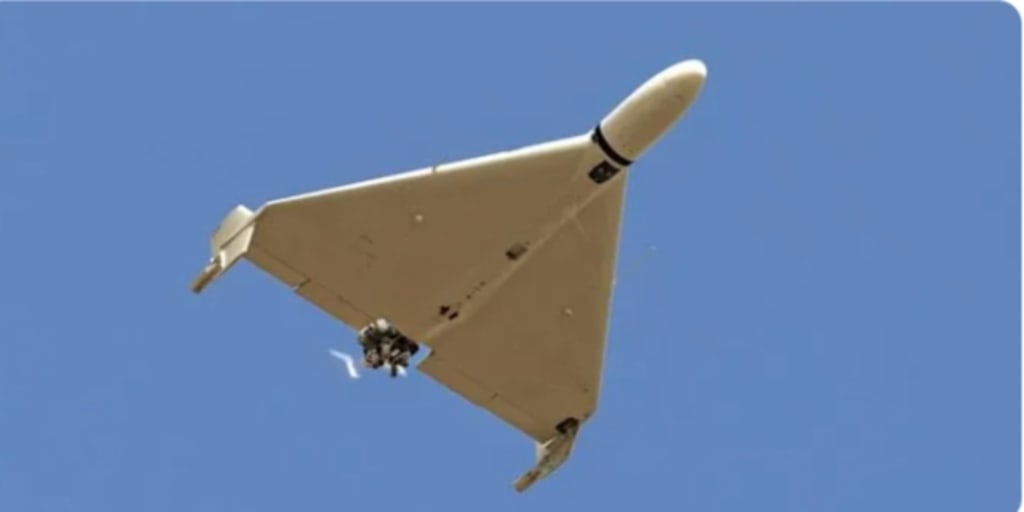
Iran’s military strategy is undergoing a notable shift as U.S. and Israeli forces target its missile launchers and strategic infrastructure. With conventional missile capabilities increasingly vulnerable, Tehran is turning to cheap, mass-produced drones as a central component of its defense and strike operations. These unmanned aerial vehicles (UAVs) are less sophisticated than ballistic missiles but provide Iran with a cost-effective and flexible method to continue projecting power across the Middle East.
Missile Launchers Under Fire
Recent U.S. and Israeli airstrikes have significantly degraded Iran’s missile infrastructure. Surveillance and precision targeting have allowed allied forces to destroy launchers and critical missile stockpiles before they can be deployed. Analysts note that even Iran’s underground missile bunkers — previously considered highly secure — are now vulnerable to aerial reconnaissance and precision strikes.
With its missile forces under pressure, Iran has pivoted to UAVs, particularly Shahed-series attack drones, which are inexpensive, quick to produce, and capable of striking a variety of targets. This shift represents a pragmatic adaptation to a battlefield where conventional missile assets are increasingly exposed.
The Logic Behind Cheap Drones
Defense experts describe the current conflict in terms of cost-effectiveness and numbers. Iranian attack drones typically cost between $20,000 and $50,000 each, while interceptors like the Patriot or THAAD missiles used to destroy them cost millions of dollars per shot.
This economic imbalance places significant pressure on U.S. and allied forces. Even with high interception rates, each drone forces the expenditure of expensive interceptors, gradually straining stockpiles and logistics. Over time, this strategy allows Iran to maintain offensive operations while limiting financial and resource expenditures.
Asymmetric Warfare: Numbers Over Precision
Iran’s drone strategy emphasizes saturation and attrition rather than pinpoint accuracy. Waves of UAVs force defenders to use layered defenses that combine electronic warfare, radar systems, and missile interceptors. Even if many drones are shot down, the sheer number of UAVs can overwhelm defenses, strike lightly protected targets, and create operational headaches for adversaries.
Recent reports indicate hundreds of drones launched toward Kuwait, Iraq, Saudi Arabia, and the UAE, demonstrating Tehran’s willingness to operate far beyond its borders. These drones have disrupted infrastructure, including ports and energy facilities, further amplifying the strategic impact of inexpensive UAV attacks.
Strategic Implications
The pivot to drones highlights a broader principle in modern warfare: cost, quantity, and tactical ingenuity can offset technological gaps. Iran’s approach forces expensive, high-tech defenses to counter cheap, mass-produced threats, creating an ongoing economic and operational imbalance.
Analysts note parallels with conflicts in Ukraine, where drone swarms have imposed logistical and financial pressures on defenders, demonstrating that inexpensive UAVs can have disproportionate strategic effects.
Regional and Global Effects
Iran’s drone operations have significant regional consequences. Repeated UAV strikes on energy infrastructure and civilian targets have contributed to instability across the Middle East. The reliance on inexpensive drones allows Iran to sustain attacks even under constant aerial bombardment from U.S. and allied forces.
Gulf Arab states continue to intercept many drones, but the scale and frequency of UAV deployments highlight the evolving nature of threats in the region. These developments also impact global energy markets, particularly with potential disruptions to the Strait of Hormuz, a critical oil transit route.
Balancing Supply and Attrition
The sustainability of drone and missile operations is a key factor in the conflict. Iran reportedly has large stockpiles of UAVs, enabling repeated attacks over time. In contrast, the U.S. and its allies face potential depletion of costly interceptors, requiring strategic allocation of defense resources.
By preserving ballistic missiles for high-impact operations and relying on drones for ongoing strikes, Iran can maintain pressure on adversaries while managing its limited conventional resources. This strategy underscores the asymmetric logic of modern conflict, where inexpensive, expendable systems can impose strategic costs on a technologically superior opponent.
Allied Adaptation
U.S. and Israeli forces have maintained high drone interception rates, often exceeding 90%, and are exploring innovative counter-drone strategies, including low-cost systems and electronic warfare. These adaptations aim to reduce reliance on expensive missiles while continuing to protect critical infrastructure and civilian populations.
The ongoing evolution of defense systems illustrates how both attackers and defenders are adjusting to new realities, where inexpensive UAVs have become a central element of strategic calculations.
Conclusion: A New Phase in Warfare
Iran’s reliance on cheap drones represents a strategic adaptation to sustained pressure on its missile forces. While these UAVs may not match ballistic missiles in destructive power, they allow Tehran to extend its reach, impose costs on adversaries, and sustain operations despite heavy losses.
For U.S., Israeli, and allied forces, the challenge lies in countering drones efficiently while preserving costly interceptors, requiring innovation, coordination, and resource management. As the conflict continues, the interplay of drones, missile strikes, and asymmetric strategies will define the trajectory of the war and reshape regional military dynamics.
Key Takeaways:
Iran is increasingly relying on cheap drones as missiles and launchers face heavy U.S. and Israeli attacks.
UAVs are inexpensive but force defenders to expend costly interceptors, creating an economic imbalance.
The drone strategy emphasizes saturation and attrition, pressuring defenders and maintaining operational tempo.
Gulf Arab states face repeated UAV attacks, with impacts on infrastructure and regional stability.
The conflict demonstrates how cost-effective, expendable systems can significantly influence modern warfare.
This shift in Iranian strategy underscores a broader trend in contemporary conflicts: innovation and numbers can rival advanced technology in shaping battlefield outcomes.
About the Creator
A Gathering of Evil Bosses
“I’m the queen of chin jutting while I smooth my hair, attacking, insulting, and deflecting to protect my appointer.” “Oh, please, Blondi, my hair is curled, highlighted, and longer than yours. I feature television commercials telling immigrants that we will give them a free plane ride home, and if they voluntarily turn themselves in, they will be allowed to legally apply for re-entry. It runs everywhere, and I look good in it! You can’t compete because of your blond hair. Mine is nicer, and my lips are prettier than yours.”
By Andrea Corwin 16 days ago in The Swamp
The Last Time a U.S. Navy Submarine Sunk an Enemy Ship in Combat
The U.S. Navy’s submarine force is among the most powerful and secretive elements of America’s military, but in the nearly 80 years since World War II, its boats have rarely been called on to directly sink enemy ships in combat. The last confirmed instance of an American submarine sinking an enemy vessel in open wartime conditions occurred during the Gulf War in 1991, when a Los Angeles‑class nuclear‑powered fast attack submarine engaged and destroyed an Iraqi Tench‑class patrol ship in the northern Arabian Gulf. That action — swift, precise, and largely unheralded at the time — marked the closing chapter of a long tradition of submarine warfare that had its most intense chapters during the Pacific campaigns of World War II. Since then, strategic deterrence, surveillance, intelligence gathering, and special operations support have become the primary missions of U.S. submarines, even as their weaponry and reach have grown far more capable. The 1991 Engagement: Submarine Combat in the Gulf In January 1991, during Operation Desert Storm, the United States and coalition forces launched a massive campaign to expel Iraqi forces from Kuwait after Saddam Hussein’s invasion of 1990. The conflict featured overwhelming air and ground power, but the U.S. Navy’s submarines also played critical roles in controlling littoral waters, collecting intelligence, and denying the Iraqi military freedom of movement. The submarine USS Baton Rouge (SSN‑689), a Los Angeles‑class fast attack boat, was operating in the northern Arabian Gulf when it detected an Iraqi patrol ship attempting to harass coalition vessels. Using its sophisticated sonar and combat systems, the submarine tracked the target and made the decision to engage under established rules of engagement governing wartime operations. At approximately 3 nmi from the target, Baton Rouge fired a Mark 48 torpedo, the same heavyweight anti‑ship/anti‑submarine weapon that remains a staple of U.S. submarine armament today. The torpedo struck the Iraqi patrol ship, which rapidly sank. There were no U.S. casualties, and the action was completed without broader escalation — reflecting both the tactical precision and strategic restraint that characterise modern U.S. submarine warfare. Though this engagement marked the last official sinking of an enemy warship by a U.S. submarine in direct combat, submarines continued to contribute significantly in other ways throughout the Gulf War and in subsequent conflicts, including launching Tomahawk land‑attack cruise missiles and supporting special forces. From World War II to the Gulf: The Evolution of Submarine Warfare The submarine’s role in combat was drastically different during World War II, when they were at the vanguard of naval warfare in both the Atlantic and Pacific Theatres. In the Pacific, U.S. submarines targeted Japanese shipping relentlessly, contributing to the isolation and eventual defeat of Japan by cutting supply lines and sinking warships and merchant vessels alike. By contrast, the late 20th‑ and early 21st‑century conflicts have seen submarine operations geared more toward deterrence, power projection, and precision strike. Nuclear‑powered submarines now conduct intelligence, surveillance, and reconnaissance (ISR) missions and carry Tomahawk missiles capable of striking targets thousands of miles inland — making traditional surface engagements rarer. The Modern Strategic Context Today’s submarines remain among the most advanced weapons systems in the U.S. arsenal. The latest Virginia‑class attack boats combine stealth, long endurance, and multi‑domain strike capabilities. Yet direct surface engagements like the one in 1991 are unlikely to be common. Modern naval strategy emphasises deterrence and precision fires, using submarines to gather information, conduct covert operations, and strike land targets rather than to seek out enemy ships. The changing character of naval combat also reflects broader geopolitical shifts. Many potential adversaries lack significant surface fleets, focusing instead on missile systems, submarines of their own, or asymmetric sea denial strategies. When surface combat occurs in future conflicts, the consequences — including civilian harm and escalation — will also weigh on commanders’ decisions about whether and how to engage. Why the 1991 Engagement Still Matters The action in the northern Arabian Gulf remains significant for several reasons: Historical continuity: It was the last time an American submarine sank an enemy warship in traditional naval combat. Tactical precision: The engagement demonstrated the ability of submarines to strike decisively and safely in crowded littoral waters. Strategic restraint: The action was tightly controlled, aligning with broader military objectives without triggering disproportionate escalation. Submarines today may seldom end their missions with a sunken enemy ship on the bottom of the sea, but their impact on global security is no less profound. From ballistic missile deterrence to covert ISR and land‑attack missions, the silent service continues to shape strategic outcomes in ways that often remain invisible to the general public. If future conflicts bring renewed surface engagements, lessons from the 1991 Gulf War action — precision, restraint, and integration with broader strategy — will inform how submarine commanders act. Until then, the sinking by Baton Rouge stands as the most recent chapter in a long and storied tradition of U.S. submarine warfare.
By Fiaz Ahmed a day ago in The Swamp
"Scream 7" (2026): Running out of Fresh Screams
This is the seventh time we’ve had a Ghostface crisis. Scream 7 is the latest edition of the Scream franchise. Sydney Prescott and her family are under attack by another anonymous killer dressed in a Ghostface costume. While having issues with her daughter, Tatum, they run from the bloody murders, trying to determine who is behind it all.
By Marielle Sabbag5 days ago in Horror


Comments
There are no comments for this story
Be the first to respond and start the conversation.