
Isolated and Under Fire: Iran Strikes Out as Russia and China Stand Aside
Tehran Faces Growing Global Pressure as Key Partners Hold Back
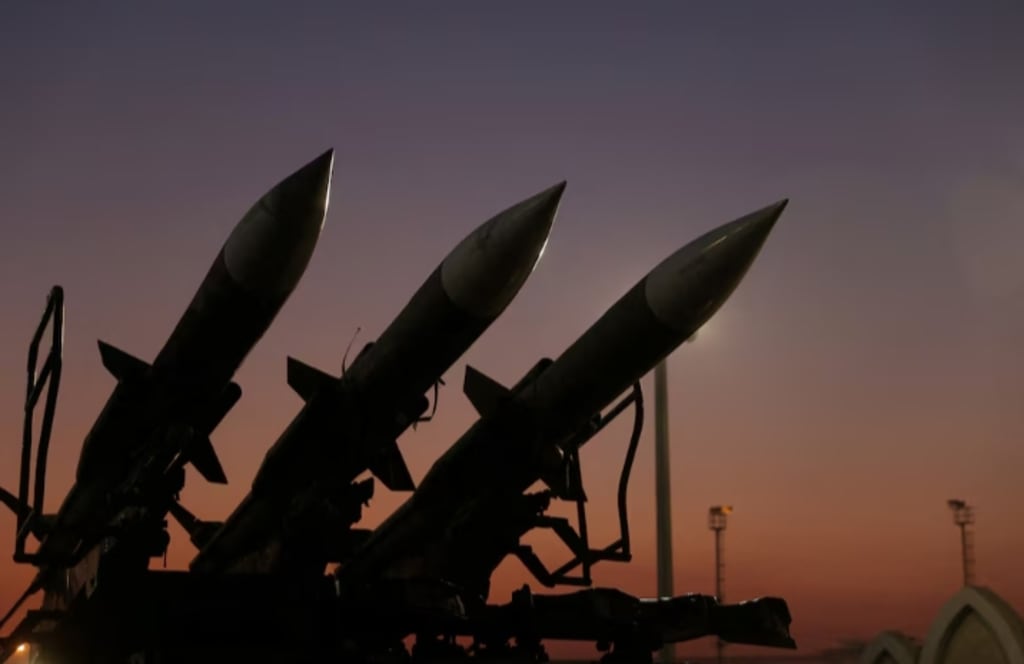
Iran is increasingly isolated on the global stage as it faces intense military pressure from the United States and Israel, while Russia and China—its longtime allies—have refrained from providing direct support. Instead, both nations have largely limited themselves to diplomatic statements and expressions of concern, leaving Tehran to confront the crisis on its own. Analysts say this reflects strategic calculations in Moscow and Beijing, where both prioritize their own interests over direct involvement in Iran’s conflict.
What was once a close geopolitical partnership built on shared opposition to Western influence now appears fragile, with Iran reacting forcefully to foreign strikes but receiving little tangible backing from its traditional allies.
Iran’s Military Response
Following a series of U.S. and Israeli attacks that destroyed critical Iranian military infrastructure, including key defense systems, Tehran launched a wide-ranging campaign of missile and drone strikes. These attacks reportedly targeted areas in Cyprus, Azerbaijan, Turkey, Gulf states, and U.S. bases in the region.
Iran’s military operations have also disrupted the Strait of Hormuz, a crucial global oil route responsible for about 20% of the world’s crude oil transit, sending energy markets into volatility. The strikes serve both as retaliation and as a broader effort to assert Iran’s strategic power and pressure Washington and its allies.
Russia’s Calculated Restraint
Despite its strategic ties with Tehran, Russia has avoided direct military involvement, providing only diplomatic support. Moscow has condemned Western attacks and voiced opposition at the United Nations but has refrained from committing troops or equipment.
Experts suggest that Russia’s restraint is deliberate. With its forces deeply engaged in Ukraine, Moscow cannot risk a new front that could stretch its military capabilities. In addition, higher oil prices resulting from the Iran conflict benefit Russia’s economy, enabling it to continue funding operations elsewhere without direct intervention.
China’s Limited Support
Similarly, China has condemned the attacks on Iran but avoided military involvement, focusing instead on diplomacy. Beijing’s strategy prioritizes trade, investment, and regional influence over military commitments.
China’s heavy reliance on energy imports from the Strait of Hormuz further constrains its willingness to escalate militarily. By limiting its response to diplomatic statements, Beijing maintains its credibility while avoiding entanglement in an active regional conflict.
Strategic Paradox
The current situation underscores a paradox: Iran’s major partners remain loyal in rhetoric but are unwilling to risk confrontation with the U.S. or its allies.
For Russia, intervening could complicate relations with Gulf nations and Israel. For China, military engagement could jeopardize core priorities in Asia, including concerns over Taiwan and maritime security. Both nations benefit more from observing the conflict and leveraging diplomatic influence than from direct involvement.
Iran’s Growing Isolation
Without concrete military support from Russia or China, Iran is increasingly isolated as it continues to confront U.S. and Israeli forces. Tehran’s leadership appears to be expanding the conflict outward to demonstrate its strategic reach, yet the absence of external backing highlights the transactional nature of its alliances.
This isolation has implications for Tehran’s domestic and regional strategy. Prolonging the confrontation without reliable allies increases both the political and military risks for the Iranian government.
Global Implications
The conflict has global repercussions. Disruptions in the Strait of Hormuz have pushed energy prices higher, affecting economies worldwide. International responses have been mixed: some condemn attacks on Iran as violations of international law, while others urge restraint and diplomacy.
The situation also demonstrates how regional conflicts intersect with broader geopolitical rivalries. Russia and China are observing U.S. military capabilities and global commitments, informing their own strategies without committing directly to conflict.
Conclusion: A Lone Iran Under Pressure
With its leadership under strain and its military facing powerful adversaries, Iran confronts a defining moment in its modern history. While missile and drone campaigns show its ability to project force, the lack of military support from Russia and China highlights a stark reality: Tehran’s closest partners are willing to provide words but not weapons or troops.
This strategic isolation may shape the outcome of the current conflict and influence Iran’s long-term foreign relationships. As Russia and China prioritize their own geopolitical objectives, Iran must navigate a high-stakes confrontation largely on its own, with regional and global implications that extend far beyond the Middle East.
About the Creator
A Gathering of Evil Bosses
“I’m the queen of chin jutting while I smooth my hair, attacking, insulting, and deflecting to protect my appointer.” “Oh, please, Blondi, my hair is curled, highlighted, and longer than yours. I feature television commercials telling immigrants that we will give them a free plane ride home, and if they voluntarily turn themselves in, they will be allowed to legally apply for re-entry. It runs everywhere, and I look good in it! You can’t compete because of your blond hair. Mine is nicer, and my lips are prettier than yours.”
By Andrea Corwin 16 days ago in The Swamp



Comments
There are no comments for this story
Be the first to respond and start the conversation.