politics
Politics does not dictate our collective cultural mindset as much as it simply reflects it; We've got to look in the mirror sometimes, and we've got one.
US and Mideast Countries Seek Kyiv’s Drone Expertise as Russia-Ukraine Talks Put on Ice. AI-Generated.
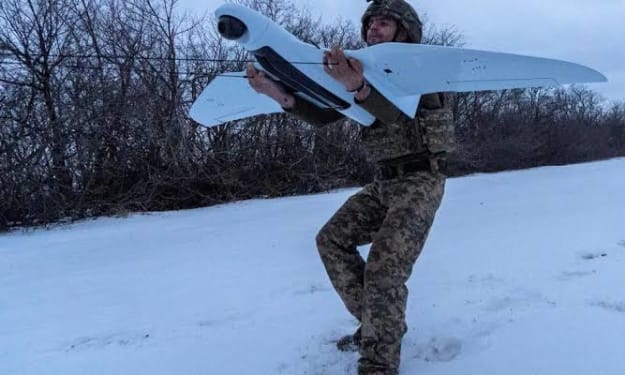
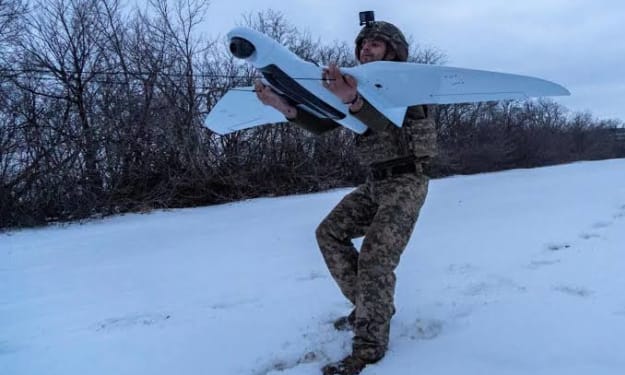
The ongoing war in Ukraine has unexpectedly transformed Kyiv into one of the world’s most influential centers of drone warfare expertise. Now, as tensions escalate in the Middle East and diplomatic talks between Russia and Ukraine stall, the United States and several Middle Eastern countries are turning to Ukraine for help in defending against drone attacks. According to Ukrainian President Volodymyr Zelenskyy, governments in both Washington and the Gulf region have approached Kyiv seeking guidance on how to counter Iranian-made attack drones. Over the past four years of war with Russia, Ukraine has gained extensive battlefield experience defending its cities, infrastructure, and military positions from waves of unmanned aerial vehicles used by Russian forces. These drones — many of them based on the Iranian-designed Shahed drone — have become a defining feature of the conflict. Russia has launched tens of thousands of them against Ukrainian targets since the invasion began in 2022, forcing Ukraine to rapidly innovate new defensive techniques and technologies. In recent weeks, Zelenskyy said he held discussions with leaders from several Middle Eastern countries, including the United Arab Emirates, Qatar, Bahrain, Jordan, and Kuwait. These governments are increasingly concerned about the threat posed by Iranian drone technology in the region and are eager to learn from Ukraine’s combat-tested experience. The interest comes as tensions in the Middle East have intensified following a new round of hostilities involving Iran. Iranian drones have been deployed in attacks across the region, raising alarms about the vulnerability of critical infrastructure such as oil facilities, airports, and power plants. Ukraine’s response to similar threats has relied on a combination of innovation and necessity. Because traditional air-defense systems are expensive and limited in supply, Ukrainian engineers and military planners developed alternative strategies. These include electronic warfare systems that jam drone signals, mobile anti-aircraft units, and even specialized interceptor drones designed to hunt down and destroy incoming UAVs. One particularly notable innovation has been the development of extremely low-cost counter-drone systems. Some Ukrainian interceptor drones cost as little as $1,000, making them far cheaper than conventional missile-based defenses that can cost hundreds of thousands of dollars per shot. This affordability has drawn the attention of military planners around the world. In modern conflicts where drones are used in large numbers, traditional missile systems can quickly become economically unsustainable. Ukraine’s approach — combining inexpensive technologies with layered defense strategies — has shown how countries can defend themselves against mass drone attacks without exhausting their defense budgets. The new cooperation discussions also reflect a broader geopolitical shift. Ukraine’s experience in drone warfare has effectively turned the country into a laboratory for modern combat technologies. Lessons learned on Ukrainian battlefields are now influencing defense strategies far beyond Europe. At the same time, Kyiv is carefully weighing how much assistance it can provide. Zelenskyy emphasized that any sharing of expertise or equipment must not weaken Ukraine’s own defensive capabilities. The country remains locked in a prolonged war with Russia, and protecting its airspace remains the top priority. “We help defend those who help Ukraine bring a just end to the war,” Zelenskyy said in remarks outlining Kyiv’s approach to international cooperation. Meanwhile, diplomatic efforts to end the war between Russia and Ukraine have been put on hold. A new round of U.S.-brokered talks had been expected to take place this week, but the escalating crisis in the Middle East has diverted international attention and delayed negotiations. The pause in diplomacy underscores how interconnected global conflicts have become. Developments in one region can quickly reshape the strategic landscape elsewhere, drawing new actors into existing conflicts. For Ukraine, the sudden demand for its expertise represents both an opportunity and a challenge. On one hand, sharing its knowledge could strengthen alliances and expand its global influence. On the other, Kyiv must balance those partnerships with the urgent demands of its own war effort. As drone warfare becomes an increasingly dominant feature of modern battlefields, Ukraine’s experience may prove to be one of the most valuable strategic assets to emerge from the conflict.
By Fiaz Ahmed about an hour ago in The Swamp
Seven Countries to Boycott Paralympics Ceremony Over Flag-Flying Russians. AI-Generated.
Tensions surrounding international sport and geopolitics have once again surfaced after seven countries announced plans to boycott the opening ceremony of the upcoming Paralympic Games in protest against the participation of Russian athletes under their national flag. The decision has intensified an already heated debate over how global sporting bodies should respond to ongoing conflicts and political disputes. Officials from the seven nations — including several European countries that have been strong supporters of Ukraine since Russia’s invasion in 2022 — said they would not attend the opening ceremony if Russian athletes are permitted to compete while displaying national symbols. While the countries did not withdraw entirely from the competition, their symbolic protest aims to pressure international sports authorities to reconsider their stance. The controversy stems from a decision by the International Paralympic Committee (IPC) that allows some Russian athletes to participate under certain conditions. Initially, Russian and Belarusian athletes were banned from many international sporting events following the invasion of Ukraine. However, as global sporting federations reconsidered blanket bans, some organizations began allowing athletes to compete as neutral participants. In this case, critics argue that permitting athletes to appear with national symbols such as the Russian flag undermines the principle of neutrality. They say the move risks politicizing the Paralympics and sending a message that ongoing military actions can be overlooked in the pursuit of sporting inclusivity. Supporters of the boycott say their decision is not directed at individual athletes but at the political symbolism involved. Government representatives from the protesting nations stated that while they respect the dedication and perseverance of Paralympic athletes, allowing Russian competitors to march under their national flag during the ceremony would be inappropriate given the current geopolitical situation. “This is about standing up for the values of international sport,” one official from a participating country said. “Athletes deserve respect, but so do the principles of peace and international law.” Ukraine has been among the most vocal critics of Russia’s participation in global sporting events since the war began. Ukrainian officials have repeatedly argued that Russian athletes should not compete internationally while the conflict continues. The country’s Paralympic committee also expressed disappointment with the IPC’s decision, saying it fails to acknowledge the suffering experienced by Ukrainian athletes and civilians during the war. For the International Paralympic Committee, the issue represents a delicate balancing act. The organization has emphasized that its primary mission is to promote inclusion and ensure that athletes with disabilities can compete at the highest level regardless of political circumstances. IPC officials argue that individual athletes should not be punished for decisions made by their governments. However, the committee also recognizes the sensitivity of the situation. To address concerns, officials introduced restrictions that limit political displays and require participating athletes to comply with rules designed to prevent propaganda or political messaging during the Games. Despite these measures, the boycott announcement demonstrates the deep divisions that continue to affect international sport. The Paralympics, which are traditionally seen as a celebration of resilience, diversity, and human achievement, now find themselves entangled in global political disputes. Sports analysts say the situation reflects a broader trend in which international competitions increasingly become arenas for political expression. From Olympic boycotts during the Cold War to modern disputes over human rights and geopolitical conflicts, sports have often mirrored the tensions of the wider world. Athletes themselves have expressed mixed reactions to the controversy. Some believe that politics should remain separate from sport and worry that boycotts undermine the spirit of international competition. Others argue that sporting organizations cannot ignore global realities, especially when conflicts directly affect athletes and their families. As the Paralympic Games approach, the dispute has created uncertainty about the atmosphere surrounding the opening ceremony. While competitions will proceed as scheduled, the absence of several delegations from the ceremonial event is likely to draw global attention. Ultimately, the controversy highlights the difficult choices facing international sporting organizations. Balancing inclusivity, fairness, and political realities is never simple, particularly during times of global conflict. Whether the boycott leads to policy changes remains unclear, but it underscores how closely the world of sport is tied to the broader geopolitical environment.
By Fiaz Ahmed about an hour ago in The Swamp
US and Mideast Countries Seek Kyiv’s Drone Expertise as Russia-Ukraine Talks Put on Ice. AI-Generated.
The ongoing war in Ukraine has unexpectedly transformed Kyiv into one of the world’s most influential centers of drone warfare expertise. Now, as tensions escalate in the Middle East and diplomatic talks between Russia and Ukraine stall, the United States and several Middle Eastern countries are turning to Ukraine for help in defending against drone attacks. According to Ukrainian President Volodymyr Zelenskyy, governments in both Washington and the Gulf region have approached Kyiv seeking guidance on how to counter Iranian-made attack drones. Over the past four years of war with Russia, Ukraine has gained extensive battlefield experience defending its cities, infrastructure, and military positions from waves of unmanned aerial vehicles used by Russian forces. These drones — many of them based on the Iranian-designed Shahed drone — have become a defining feature of the conflict. Russia has launched tens of thousands of them against Ukrainian targets since the invasion began in 2022, forcing Ukraine to rapidly innovate new defensive techniques and technologies. In recent weeks, Zelenskyy said he held discussions with leaders from several Middle Eastern countries, including the United Arab Emirates, Qatar, Bahrain, Jordan, and Kuwait. These governments are increasingly concerned about the threat posed by Iranian drone technology in the region and are eager to learn from Ukraine’s combat-tested experience. The interest comes as tensions in the Middle East have intensified following a new round of hostilities involving Iran. Iranian drones have been deployed in attacks across the region, raising alarms about the vulnerability of critical infrastructure such as oil facilities, airports, and power plants. Ukraine’s response to similar threats has relied on a combination of innovation and necessity. Because traditional air-defense systems are expensive and limited in supply, Ukrainian engineers and military planners developed alternative strategies. These include electronic warfare systems that jam drone signals, mobile anti-aircraft units, and even specialized interceptor drones designed to hunt down and destroy incoming UAVs. One particularly notable innovation has been the development of extremely low-cost counter-drone systems. Some Ukrainian interceptor drones cost as little as $1,000, making them far cheaper than conventional missile-based defenses that can cost hundreds of thousands of dollars per shot. This affordability has drawn the attention of military planners around the world. In modern conflicts where drones are used in large numbers, traditional missile systems can quickly become economically unsustainable. Ukraine’s approach — combining inexpensive technologies with layered defense strategies — has shown how countries can defend themselves against mass drone attacks without exhausting their defense budgets. The new cooperation discussions also reflect a broader geopolitical shift. Ukraine’s experience in drone warfare has effectively turned the country into a laboratory for modern combat technologies. Lessons learned on Ukrainian battlefields are now influencing defense strategies far beyond Europe. At the same time, Kyiv is carefully weighing how much assistance it can provide. Zelenskyy emphasized that any sharing of expertise or equipment must not weaken Ukraine’s own defensive capabilities. The country remains locked in a prolonged war with Russia, and protecting its airspace remains the top priority. “We help defend those who help Ukraine bring a just end to the war,” Zelenskyy said in remarks outlining Kyiv’s approach to international cooperation. Meanwhile, diplomatic efforts to end the war between Russia and Ukraine have been put on hold. A new round of U.S.-brokered talks had been expected to take place this week, but the escalating crisis in the Middle East has diverted international attention and delayed negotiations. The pause in diplomacy underscores how interconnected global conflicts have become. Developments in one region can quickly reshape the strategic landscape elsewhere, drawing new actors into existing conflicts. For Ukraine, the sudden demand for its expertise represents both an opportunity and a challenge. On one hand, sharing its knowledge could strengthen alliances and expand its global influence. On the other, Kyiv must balance those partnerships with the urgent demands of its own war effort. As drone warfare becomes an increasingly dominant feature of modern battlefields, Ukraine’s experience may prove to be one of the most valuable strategic assets to emerge from the conflict.
By Fiaz Ahmed about an hour ago in The Swamp
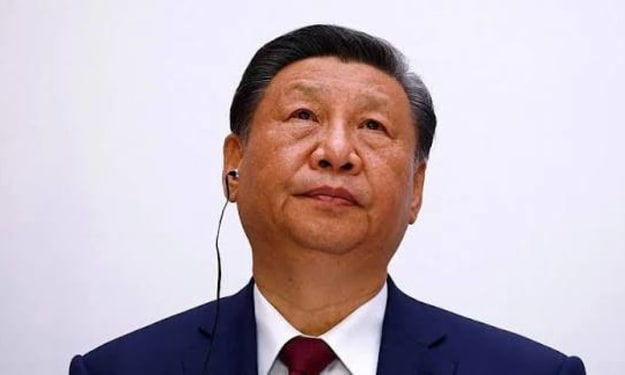
What is the game plan?': The Iran war is unsettling China and its ambitions. AI-Generated.
The escalating war involving Iran has sent shockwaves through global geopolitics, and few countries are watching events more carefully than the People’s Republic of China. While Beijing is not directly involved in the conflict, the crisis threatens several pillars of China’s long-term strategic ambitions, from energy security and trade routes to its goal of reshaping the global order. For Chinese leaders, the war presents a troubling question: how can China protect its interests without being drawn into a dangerous confrontation? In the immediate term, the conflict has highlighted China’s vulnerability to disruptions in Middle Eastern energy supplies. China is the world’s largest importer of oil, and a significant portion of those imports comes from the Gulf region. Iranian crude alone accounts for a notable share of Beijing’s energy supply, with China purchasing more than one million barrels per day in recent years despite international sanctions. A prolonged war, especially if it disrupts traffic through the Strait of Hormuz, would threaten the shipping lanes that carry energy not only from Iran but also from other Gulf producers such as Saudi Arabia and the United Arab Emirates. Analysts warn that any sustained closure or disruption of this maritime chokepoint would be a severe blow to China’s economy and industrial production. Chinese officials have responded cautiously. Beijing has called for an immediate ceasefire and urged diplomatic negotiations to prevent the conflict from spreading across the region. The government has repeatedly emphasized stability and restraint, reflecting China’s long-standing preference for avoiding military entanglements abroad. Hindustan Times Behind this diplomatic language, however, Chinese strategists are confronting deeper concerns. The war threatens to disrupt not only oil supplies but also the broader network of economic and political relationships China has built across the Middle East over the past decade. Through its Belt and Road Initiative, Beijing has invested heavily in infrastructure, ports, and industrial projects across the region. Any instability could undermine those investments and slow China’s plans to expand its global economic influence. The conflict also exposes the limits of China’s influence in a region where the United States remains the dominant military power. Although China has cultivated close ties with Iran, their relationship has largely been transactional rather than ideological. Beijing buys Iranian oil at discounted prices, while Tehran welcomes Chinese investment and political backing. But China has never committed to defending Iran militarily or entering into a formal alliance. This cautious approach explains why Beijing has avoided taking sides in the current conflict. While Chinese officials have criticized military escalation and expressed concern over attacks on Iranian sovereignty, they have stopped short of offering direct support to Tehran. Instead, China appears to be positioning itself as a potential mediator while focusing on protecting its own economic interests. At the same time, the war may push China closer to other energy suppliers, particularly Russia. If Iranian exports decline or become unreliable, Beijing could increase purchases of Russian oil and gas to fill the gap. Such a shift would deepen the already growing energy partnership between the two countries and potentially reshape global energy markets. For Chinese leader Xi Jinping, the crisis also comes at a sensitive moment domestically. China’s economy is already facing slowing growth, weak consumer demand, and a prolonged property sector downturn. Any spike in energy prices or disruption of supply chains could worsen these economic challenges and complicate Beijing’s efforts to maintain stability at home. Ultimately, the Iran war is forcing China to confront a strategic dilemma. Beijing wants to project the image of a rising global power capable of shaping international affairs. Yet it also prefers to avoid the risks that come with direct military involvement in distant conflicts. The result is a delicate balancing act: China must safeguard its economic and geopolitical interests while remaining on the sidelines of a volatile war. For now, Chinese policymakers appear determined to stay cautious. But as the conflict continues and its economic consequences spread, Beijing may find that simply watching events unfold is no longer enough.
By Fiaz Ahmed about an hour ago in The Swamp
We have been preparing’: Why the Boots on the Ground in Iran Could Be Kurdish. AI-Generated.
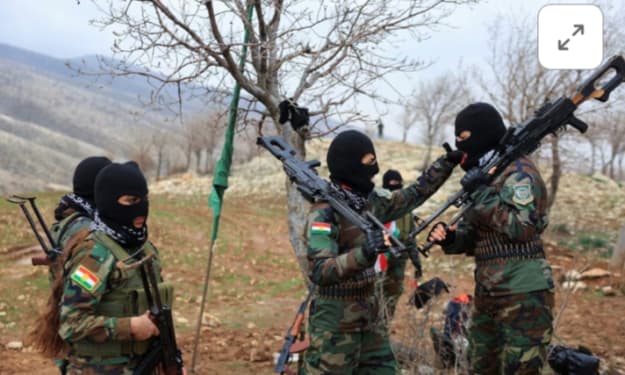
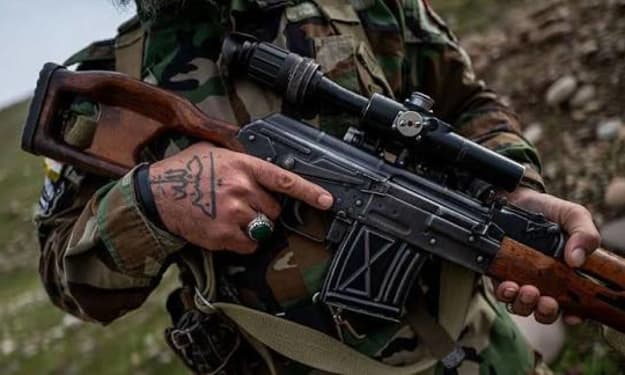
As the U.S. and Israel continue their air campaign against Iran, a growing number of analysts, officials, and local actors are discussing the possibility that Kurdish forces — not American troops — could become the “boots on the ground” in any future ground‑based phase of the conflict. This prospect has emerged not from sudden instability, but from decades of Kurdish political and military organisation, regional dynamics, and evolving strategic interests. Who Are the Kurds in This Context? The Kurds are an ethnic group of roughly 30–40 million people spread across Turkey, Iraq, Syria, and Iran, with no sovereign state of their own, though they maintain autonomous regions in Iraq and parts of Syria and Turkey. In Iran, Kurds make up about 10 percent of the population, concentrated in the western provinces. Over many decades they have resisted the centralised rule of Tehran and engaged in intermittent armed struggle. In recent days, Kurdish Iranian opposition groups based in northern Iraq — including factions like the Kurdistan Freedom Party (PAK), the Kurdistan Democratic Party of Iran (KDPI), and others — have suggested they are ready for operations across the border should conditions allow. Leaders have told international media they “have been preparing for this” for many years, but insist they have not yet launched significant forces into western Iran. Hatha Alyoum English Why Kurdish Groups Are Being Talked About as a Ground Force With the current conflict so far conducted primarily from the air — with U.S. and Israeli jets striking military targets inside Iranian territory — policymakers in Washington and Jerusalem have reportedly been reluctant to commit conventional forces into a protracted ground campaign inside Iran. Leaving foreign boots on Iranian soil would risk a major escalation. Instead, Kurdish forces, with historical grievances and existing organisation, are seen by some as a proxy ground force that could help stretch Iran’s military resources and open a new pressure front against Tehran. According to multiple news reports, the U.S. has engaged with Kurdish groups about the possibility of their involvement, including logistics and potential cooperation against Iranian security forces. Kurdish fighters, many of whom fought alongside U.S. forces in conflicts against ISIS, are considered among the most structured opposition elements capable of acting in rugged terreno north of Iran’s border. Preparation, Caution, and Conditions Despite this talk, Kurdish leaders themselves have emphasised that any actual rollout of forces would be cautious and highly conditional. One Kurdish commander told the BBC that they would not move without airspace control and assurances that Iranian regime weapons stocks were neutralised ahead of time, acknowledging that without such measures any operation would be “suicidal.” This cautious stance reflects lessons learned from decades of Kurdish struggles against better‑equipped national armies. Iran’s security forces — including the Islamic Revolutionary Guard Corps — have overwhelming firepower and are already targeting Kurdish positions near the border, according to Iranian statements, even accusing Kurdish groups of preparing to infiltrate. Potential Strategic Benefits and Risks For U.S. and Israeli strategists, Kurdish involvement could offer several theoretical advantages: Stretch Iranian forces by forcing Tehran to defend multiple fronts simultaneously, rather than focusing its full attention on external airstrikes. Exploit existing ethnic tensions within Iran by encouraging internal dissent against the central government. Use Kurdish territorial knowledge to harass regime forces in terrain where conventional armies may be less effective. The Defense Post However, these potential benefits come with significant risks. Iran has already intensified attacks on Kurdish opposition positions, and an insurgency could draw neighbouring Iraq deeper into the conflict, destabilising the broader region. The semi‑autonomous Kurdish government in Iraq has officially denied involvement in any ground operations against Iran, underscoring the delicacy of the situation and the risk of unwanted escalation. Historical Context Matters The idea of Kurdish fighters entering Iran is rooted in long‑standing resistance movements and periodic clashes along Iran’s western frontier. Historically, Kurdish factions inside Iran have engaged in intermittent conflict with Tehran, most recently during localized insurgencies. Their diaspora communities in Iraq have long maintained ties and networks that could facilitate mobilisation if conditions align. But past alliances with external powers — including the United States — have also bred mistrust among Kurdish leaders, who recall shifting geopolitical commitments. This history complicates any decision to act purely as an auxiliary force for another power’s strategic aims. What Comes Next? At present, there is no confirmed large‑scale deployment of Kurdish fighters inside Iran, nor official acknowledgment from Iraqi Kurdish authorities that they will participate in ground combat. However, the combination of Kurdish preparedness, geopolitical interest from U.S. and Israeli planners, and the strained internal dynamics within Iran make the Kurdish factor an important variable in future iterations of the conflict. If Kurdish forces do move into Iranian territory, it would mark a significant escalation — not just militarily, but ethnically and politically — introducing new complexities into an already volatile regional confrontation.
By Fiaz Ahmed about 2 hours ago in The Swamp
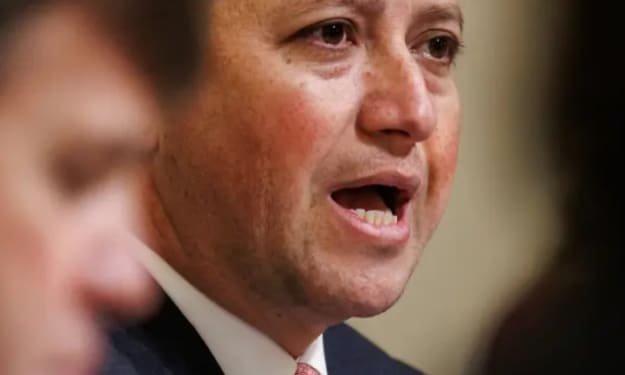
Trump fires Noem as frustrations build among White House officials, GOP lawmakers. AI-Generated.
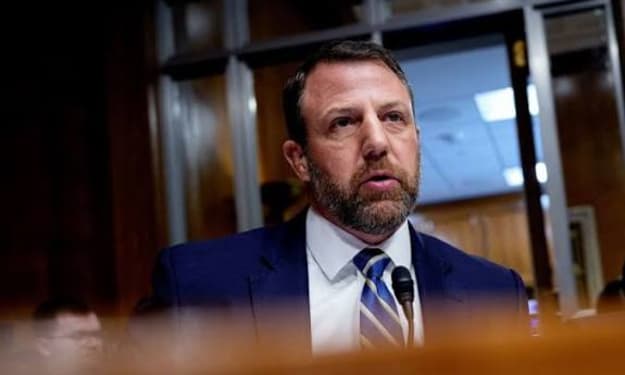
In a dramatic shake-up inside the U.S. administration, President Donald Trump has dismissed Homeland Security Secretary Kristi Noem after mounting criticism from both White House officials and members of the Republican Party. The decision marks the first major cabinet departure of Trump’s current term and highlights growing tensions inside the administration over immigration policy, spending controversies, and internal management of the Department of Homeland Security. The White House confirmed that Trump plans to nominate Oklahoma Senator Markwayne Mullin as Noem’s replacement. The senator, a Republican known for his strong support of the administration’s security agenda, is expected to undergo Senate confirmation hearings in the coming weeks before formally assuming the role. Rising tensions inside the administration Noem’s removal comes after weeks of growing frustration among senior officials and lawmakers who questioned her leadership of the Department of Homeland Security (DHS). Critics argued that the agency had struggled to manage several politically sensitive issues, particularly the administration’s aggressive immigration enforcement strategy and its response to domestic security incidents. During recent congressional hearings, Noem faced intense questioning from both Republican and Democratic lawmakers. Members of Congress pressed her on spending decisions, including controversial advertising contracts and costly departmental projects that had drawn scrutiny from oversight committees. The hearings exposed divisions within the Republican Party, with some GOP lawmakers expressing concern that the controversy was damaging the administration’s broader security agenda. Although Trump initially defended Noem publicly, sources within Washington suggested that patience inside the White House had been wearing thin. Several officials reportedly believed that the ongoing controversies were becoming a political distraction at a time when the administration wanted to emphasize border enforcement and national security achievements. A key architect of immigration enforcement Noem had been a central figure in implementing Trump’s hardline immigration policies. As Homeland Security secretary, she oversaw large-scale immigration enforcement operations and border security measures that formed the cornerstone of the administration’s domestic policy agenda. Supporters credited her with aggressively pursuing the administration’s goal of tightening border controls and accelerating deportations of undocumented migrants. However, critics argued that some of the operations created chaos in local communities and strained relations between federal authorities and state governments. The department also faced criticism following incidents tied to federal enforcement operations, including controversial raids and confrontations that sparked public protests in several American cities. These incidents intensified political pressure on the administration and further fueled debate over the direction of U.S. immigration policy. Trump offers new role despite dismissal Despite removing her from the cabinet, Trump publicly praised Noem’s service and announced that she would take on a new diplomatic role as Special Envoy for the “Shield of the Americas.” The initiative is expected to focus on strengthening security cooperation across the Western Hemisphere, including efforts to combat narcotics trafficking, improve border coordination, and enhance regional law-enforcement partnerships. In a social media statement announcing the change, Trump thanked Noem for her contributions and highlighted what he described as “spectacular results” on border security during her tenure. The president said the new role would allow her to continue supporting the administration’s security objectives in Latin America and the Caribbean. Noem later acknowledged the transition and expressed gratitude for the opportunity to serve in the administration. She emphasized that the Department of Homeland Security had made “historic accomplishments” during her leadership and pledged to continue supporting Trump’s policies in her new position. Political implications ahead The leadership change could reshape the political dynamics surrounding immigration and homeland security in Washington. By nominating Senator Mullin, Trump appears to be seeking a figure with strong ties to congressional Republicans who can help stabilize relations between the administration and lawmakers. Analysts say the move may also be an effort to reset the administration’s message on national security ahead of upcoming legislative battles. Immigration enforcement remains one of the most divisive issues in U.S. politics, and the White House is likely hoping that new leadership at DHS will shift attention away from internal controversies and back toward policy goals. Whether the shake-up will ease tensions within the administration remains uncertain. However, Noem’s departure underscores the intense political pressures surrounding homeland security policy and the fragile alliances that often shape decision-making at the highest levels of government.
By Fiaz Ahmed about 5 hours ago in The Swamp
Everyone’s calling’: Demand for Private Jets from UK Firm Soars by up to 300% amid Iran War. AI-Generated.
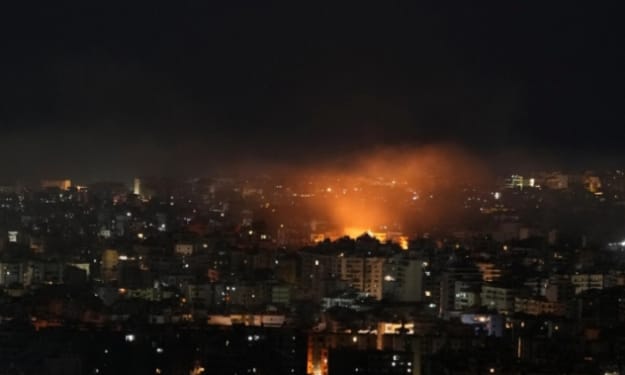
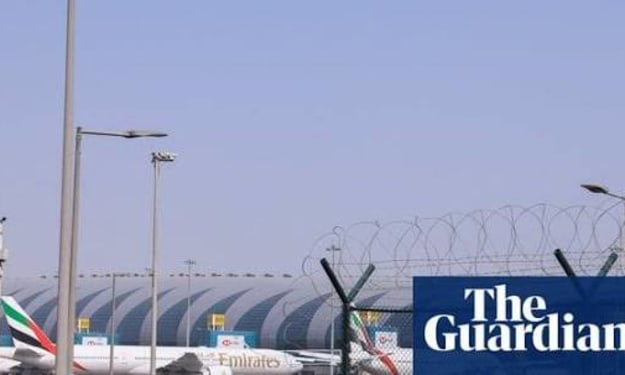
The escalating war involving Iran and allied forces has triggered dramatic shifts in global travel patterns — none more striking than the surge in demand for private jet charters served by UK aviation firms. As commercial flights are canceled or heavily restricted across the Middle Eastern airspace, wealthy travellers, corporations, and even government agencies have turned to private aviation to evacuate personnel and maintain business continuity, resulting in requests increasing by up to 300 per cent compared with typical demand for this time of year. Flight Disruptions Spark a Charter Boom Since the conflict erupted last weekend and spread to multiple fronts across the Gulf region, major airports in hubs such as Dubai, Abu Dhabi and Doha have seen significant flight cancellations and route diversions. With commercial airlines grounding flights and avoiding potentially hostile airspace, travellers with urgent travel needs are seeking alternative ways out of the region. Aviation brokers in the UK — whose charter operations extend globally — describe the situation as unprecedented, with inquiries from clients worldwide flooding in. “Requests for planes are probably up 200‑300 per cent on what’s usual for this time of year,” says Matt Purton, director of aviation services at UK‑based global company Air Charter Service, one of the firms fielding the surge in calls. Purton notes that the spike is coming from a diverse mix of clients — from wealthy individuals and expatriates to corporate teams and governmental agencies — all trying to secure fast, reliable travel before routes tighten further. Who Is Booking and Why The jump in demand is not limited to the ultra‑rich. While affluent travellers with the financial means have long relied on private jets for convenience, the current crisis is turning private aviation into a logistical lifeline — especially when scheduled flights out of the Gulf are few and far between. Some charter brokers are even working with authorities to support official evacuations or special missions. This trend is mirrored by reported experiences in cities like Dubai and Muscat, where private flights now account for a substantial share of airport departures as well‑heeled passengers seek swift exits. In Oman, private flights have comprised a significant portion of overall airport movements as those fleeing the conflict airlift themselves out or position themselves for onward connections. Soaring Costs and Scarcity The surge has not only increased booking requests but also sent charter prices skyrocketing. With limited aircraft availability and high repositioning costs, emergency private charters from the Gulf to Europe or other destinations are commanding extraordinary fees — often well above pre‑conflict levels. According to industry reports, charter costs that would normally range from €60,000 – €80,000 for medium‑haul flights are now often €150,000 – €235,000 (roughly £130,000 – £200,000) depending on distance, aircraft size and origin, with some operators even offering individual seats on larger jets to help spread costs among multiple passengers. A British private jet charter example saw clients paying upwards of £150,000 for a flight from Dubai to the UK after drone debris fell near residential areas, underscoring both the urgency and expense of charter travel in crisis conditions. Industry Under Pressure For UK charter companies, the sudden demand surge presents both opportunity and logistical challenges. With more calls than available aircraft and crews, brokers are scrambling to coordinate repositioning flights from Europe or other regions so jets can reach the Middle East. This often adds significant time and expense to already costly charters. Some firms are even experimenting with new service models — such as offering partial‑charter seats on shared aircraft — in an effort to make evacuation options accessible to a slightly broader group of travellers. However, limited aircraft and crew availability means that many clients remain on waiting lists, while prices continue to climb to reflect the crunch in supply. Broader Travel Impacts The private jet surge is part of a wider upheaval in aviation caused by the Iran conflict. With commercial carriers cutting routes and airlines suspending services out of safety concerns, travellers are exploring land routes — such as overland journeys to Oman — or leaning on government‑organised evacuation flights when available. Yet for those who can afford it, private charters have become one of the few reliable means of quick departure The intense demand also highlights stark inequalities in travel options during crises. While wealthy individuals and corporate clients can plug into private aviation networks to escape unstable regions, ordinary travellers often remain dependent on limited commercial flights or official evacuation operations. This imbalance has sparked commentary on inequality in access to safe and swift travel during international emergencies. As the geopolitical situation remains volatile, analysts predict that private aviation demand could stay elevated so long as commercial airspace is constrained and safety concerns persist. Charter brokers are advising clients to book early, remain flexible with departure points, and consider alternative regional hubs — like Oman and Saudi Arabia — for safer evacuation routes. Ultimately, the dramatic uptick in private jet bookings underscores a stark reality: geopolitical conflicts can rapidly reshape global travel norms, pushing travellers — and entire industries — to adapt in real time. Whether private aviation remains this central to crisis travel will depend on the conflict’s trajectory and how commercial aviation routes evolve in response.
By Fiaz Ahmed about 5 hours ago in The Swamp